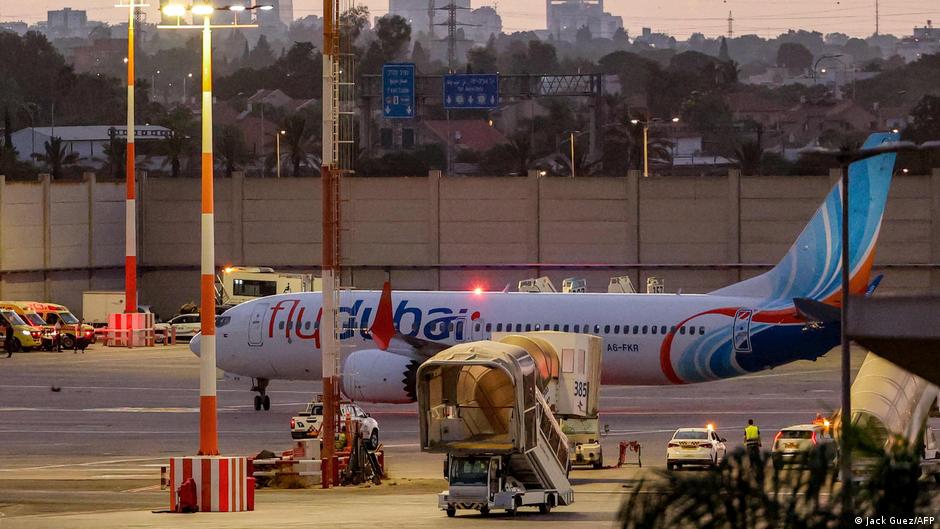
Novorossiysk Drone Attack Raises Fresh Risks for Fuel, Food and Port Costs
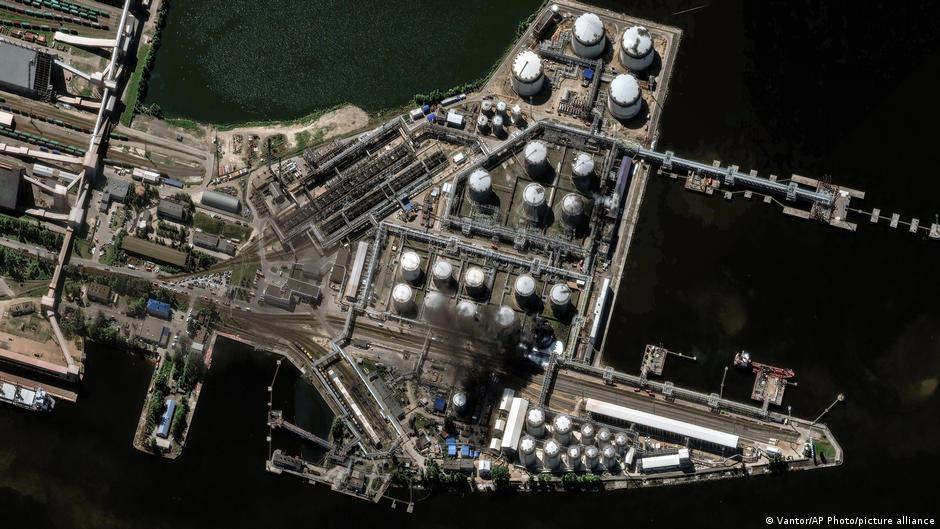
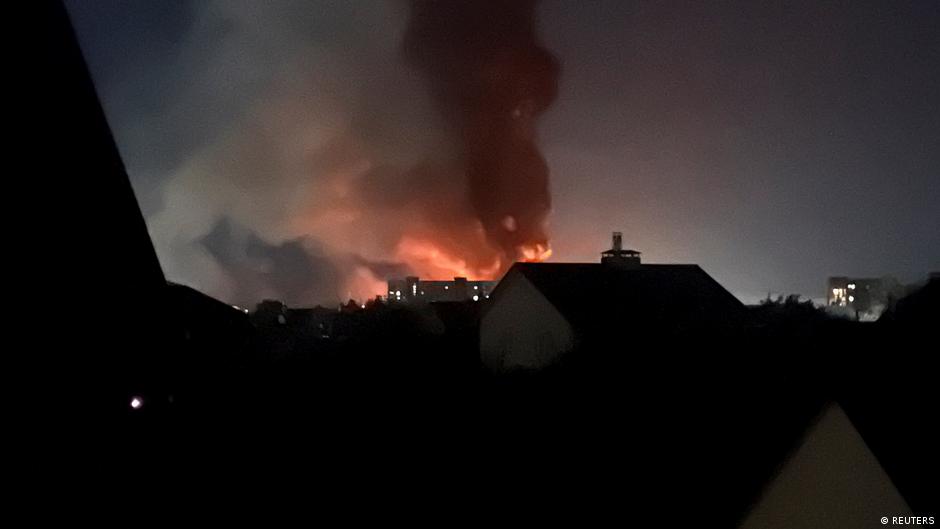
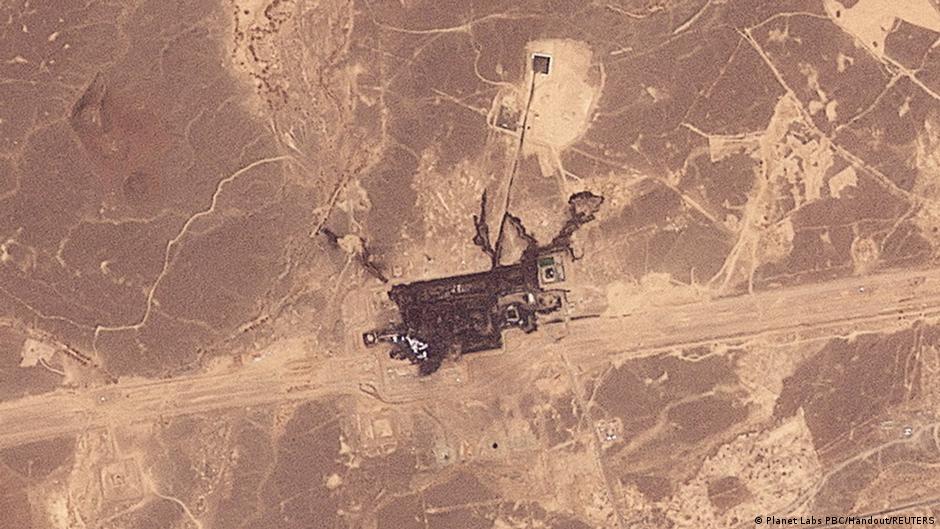
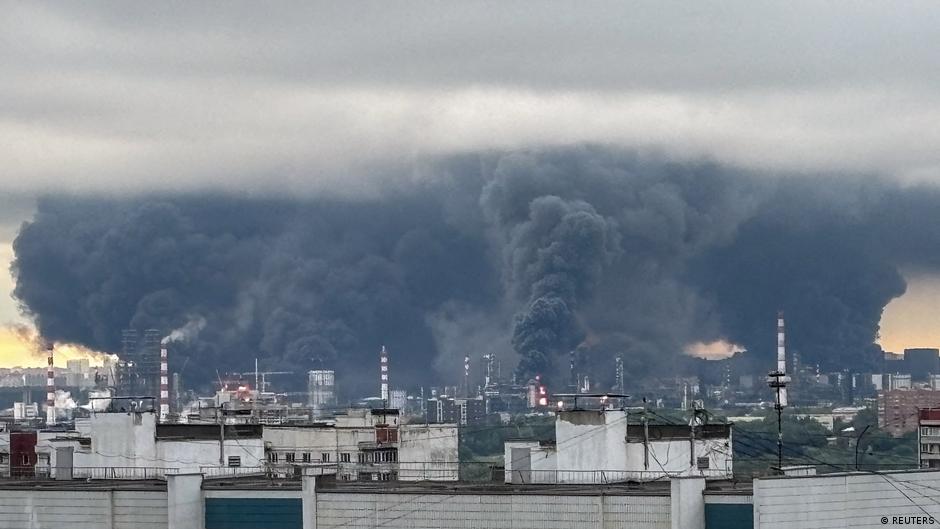
A reported drone attack and fire at Novorossiysk’s port hub could add pressure to fuel, food and market risks watched by households and investors.

A reported drone attack and fire at Novorossiysk’s port hub could add pressure to fuel, food and market risks watched by households and investors.

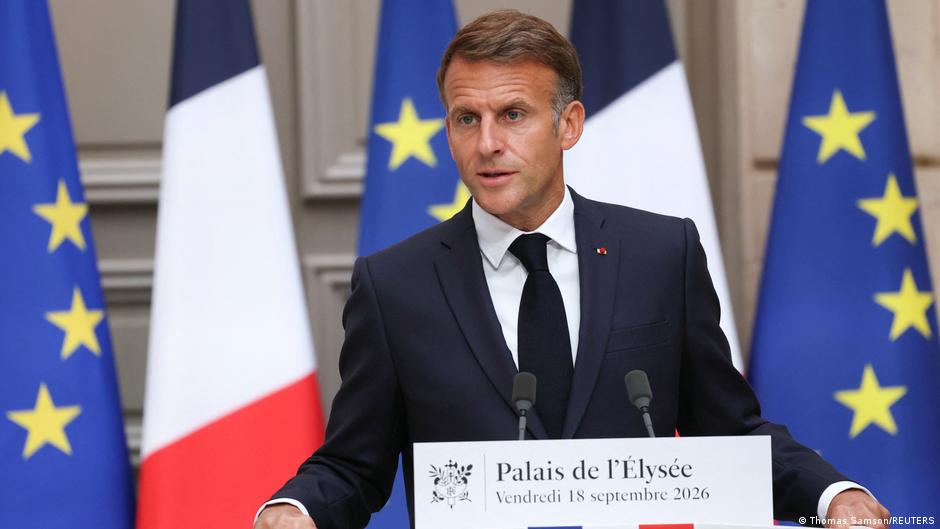
Macron is seeking an EU-wide under-15 social media ban, a move that could affect family tech spending, advertising exposure and platform investors.

AfD’s Saxony-Anhalt win drew sharp reactions from Poland and France, adding political uncertainty for European savers, households and investors.
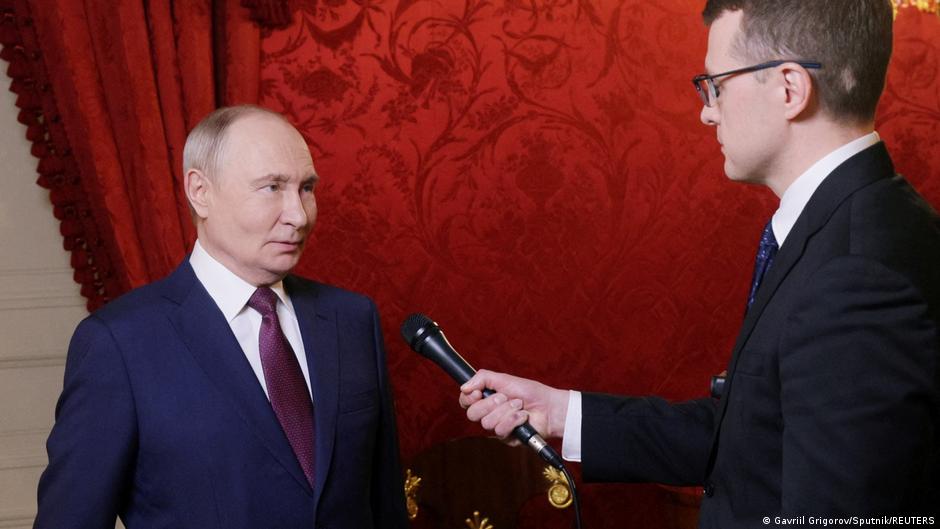
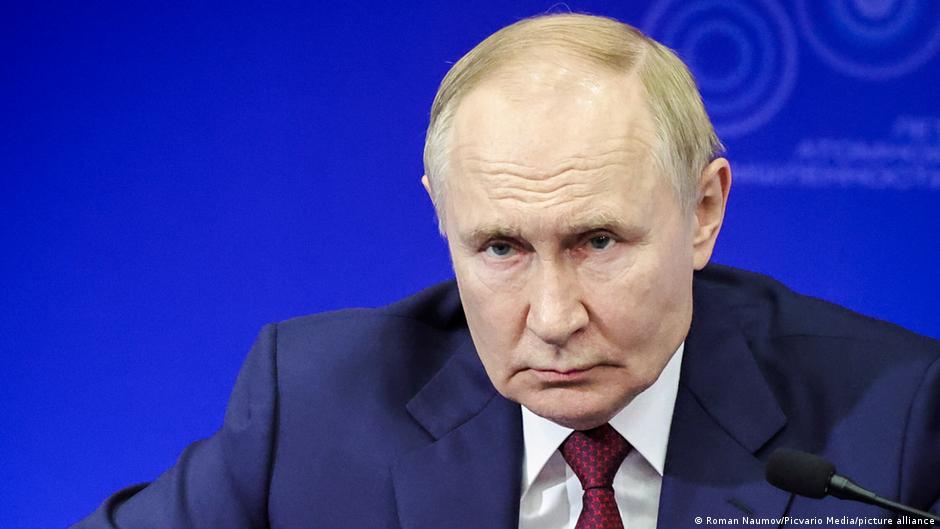
Putin backed using medically unfit volunteers for rear-area drone defense, adding financial uncertainty for Russian households and savers.

Germany’s planned anti-sabotage shield could add new cost pressures across transport, energy, cybersecurity and household budgets.

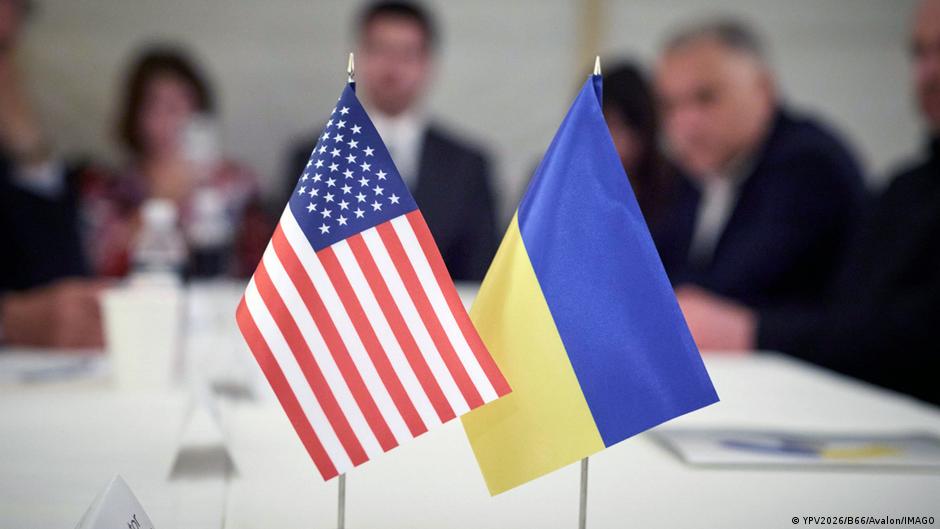
U.S. envoys discussed Ukraine peace plans with Putin before Kyiv talks, a development that could affect household costs, currencies and investors.

Latvia says a suspect in the Leipzig sabotage case had been living in Russia, as Germany tightens checks and sanctions enforcement with possible spillovers for travel and trade.

Russia says it will close Goethe-Institut branches after Berlin ends a cultural agreement, adding to uncertainty for households, students and investors.

ICAO’s call for stronger protections over conflict zones may influence travel costs, insurance pricing and investor sentiment around airlines and transport.

Russia's shadow air fleet in Africa bypasses sanctions, fueling geopolitical tensions that may impact household budgets, inflation, and investor risks globally.

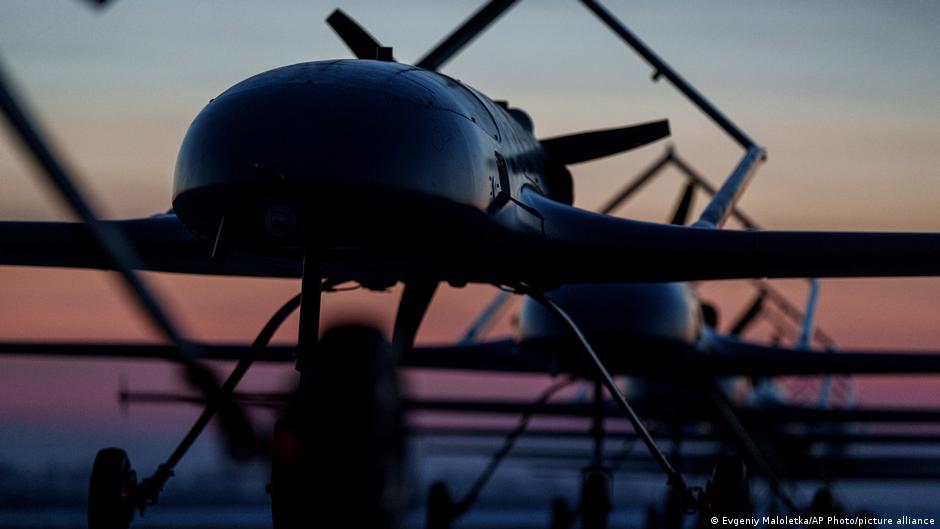
More than 180 drones were intercepted near Moscow, causing injuries and property damage that impact household safety, local infrastructure, and consumer costs.

Two civilian aircraft were intercepted near Trump's New Jersey golf club due to temporary flight restrictions, highlighting financial impacts on private pilots and local economies.

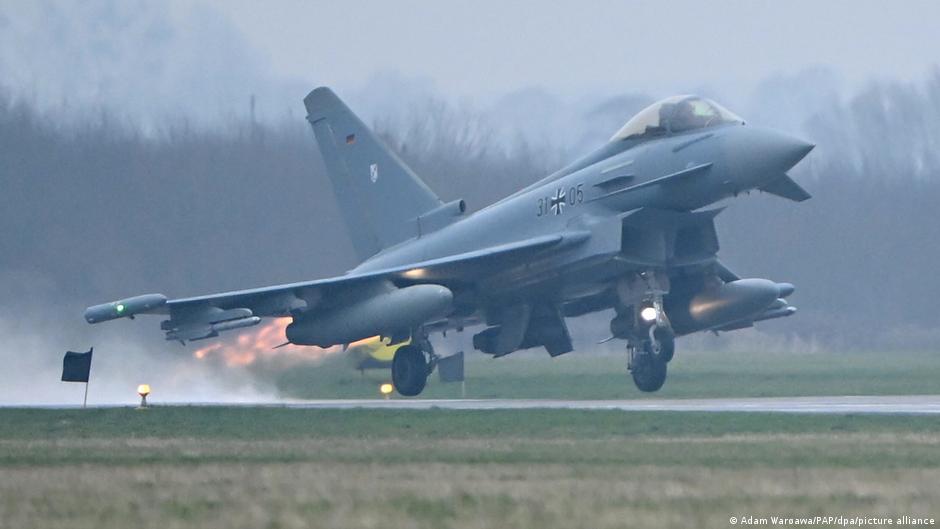
Germany faces growing hybrid warfare threats, including drone attacks, impacting national security and posing risks to household budgets, savings, and investor confidence.

Drone attacks in Russia's Kursk and Belgorod regions cause casualties and disrupt daily life, affecting household safety and local economies.

Russia's redeployment of a major warship near Germany heightens risks to Baltic shipping routes, potentially affecting European energy supplies and consumer costs.

The U.S. enacts a permanent visa bond of up to $20,000 for citizens of 50 countries, impacting household budgets, savings, and international travel costs.

Greece’s surge in Schengen visa denials for Russians disrupts travel plans, straining household budgets and increasing financial costs for trips amid tightened EU visa policies.
Montenegro will end visa-free travel for Russian and Belarusian citizens from November 1, 2026, raising travel costs and affecting household budgets and investments.

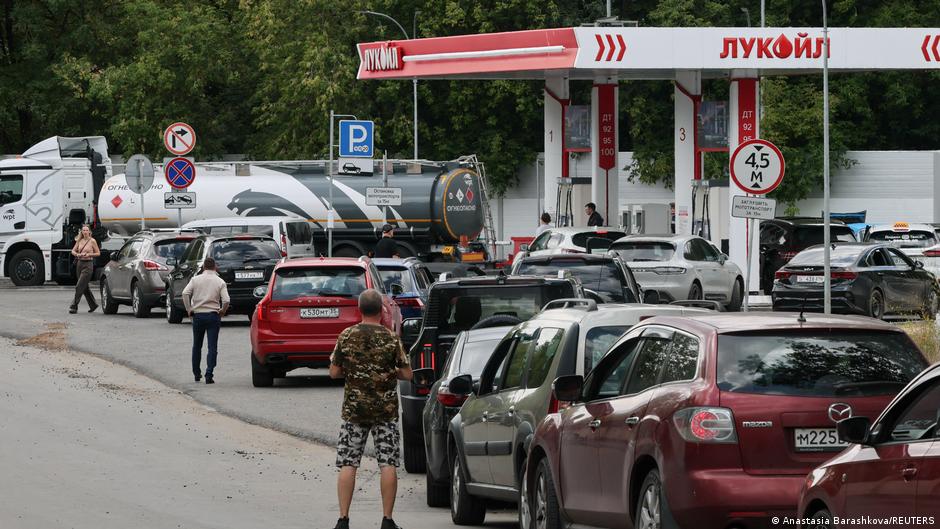
Russia’s oil product production dropped nearly 22% in June, driving fuel price increases and straining household budgets and consumer spending.

Iran’s Revolutionary Guard attacked an oil tanker near the Strait of Hormuz, threatening global oil supplies and raising fuel prices, impacting household budgets and investors worldwide.

US strikes on Iran enter the tenth day, risking global energy supply disruptions that could raise fuel prices and strain household budgets and investor portfolios worldwide.

US military deaths in the Iran conflict rise, increasing geopolitical risks that affect household budgets, currency markets, and investment decisions.

Former President Trump proposes the US host another FIFA World Cup solo, impacting household budgets, travel costs, and investment opportunities linked to major sporting events.

US threats against the International Criminal Court spark concerns about global legal stability and economic impacts on currency markets, household budgets, and investors.

Gasoline prices in Crimea surged nearly 92% in early July, doubling in just one week and severely impacting household budgets and regional fuel markets.

Canada's selection of German TKMS for submarine procurement signals deepening transatlantic ties, with wide-ranging effects on currencies, government budgets, and investors.

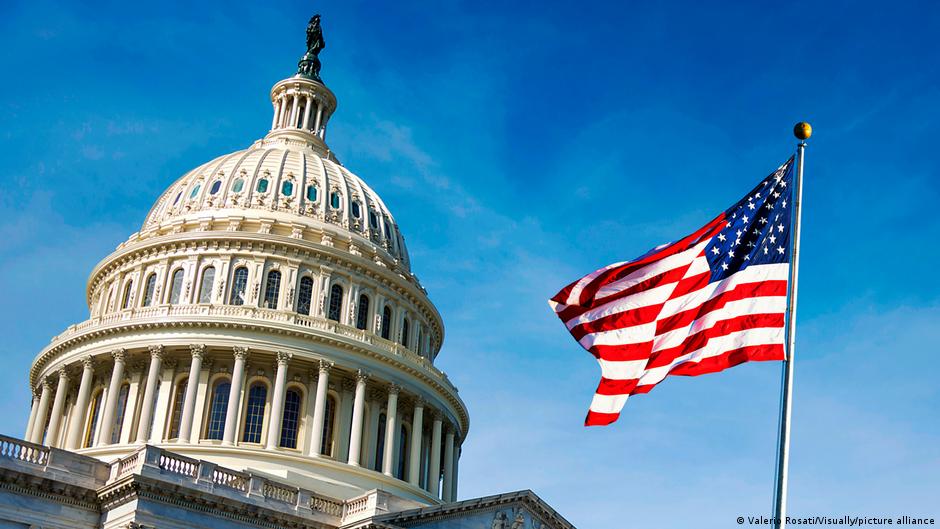
Thunderstorms forced cancellation of Washington's 250th Independence Day events, disrupting celebrations and affecting consumer spending and household plans.

Belarus advises citizens to avoid travel to Russia due to border attacks, impacting household budgets and prompting shifts in family travel and spending habits.

Two brothers in Germany admitted to violating EU sanctions by exporting industrial parts to Russia, highlighting risks for businesses and impacts on consumer finances and markets.

Missile and drone attacks on Kyiv have caused deaths and widespread damage, intensifying financial pressures on households through repair costs, healthcare expenses, and economic disruption.

France has tightened visa rules for Russian applicants, requiring in-person submissions and biometric data, increasing challenges for households planning travel to Europe.

Russia's near quadruple rise in Belarusian aviation fuel imports reflects domestic production cuts, causing fuel shortages and price pressures impacting households and investors.

Italy and France express concerns over the EU’s proposed entry ban on Russian combatants, warning of potential broader restrictions and economic impacts for households and investors.

Russia imposes fuel sale limits in 53 regions amid refinery attacks, challenging household budgets and daily transportation for many consumers.

Far-right businessman Abelardo de la Espriella wins Colombia’s presidency, promising economic deregulation and security measures that may impact household finances and investments.

The delay in US-Iran nuclear talks increases market volatility, impacting household budgets, savings, and investor confidence worldwide.

The EU has extended sanctions on Russia to one year, intensifying economic pressures that may raise energy costs and impact European household budgets and savings.

US Congress approved $70 billion for immigration enforcement, raising concerns about effects on household budgets, currency, and consumer finances.

Drone attacks near St. Petersburg disrupt flights and raise economic concerns for Russian households, affecting travel, currency stability, and local investor confidence.

The US has secretly aided about 70 commercial ships through the Iran-blocked Strait of Hormuz, easing supply chain pressures and influencing consumer costs worldwide.

Russia plans 1-2 month export restrictions on diesel and jet fuel to stabilize domestic supply amid refinery disruptions, affecting household budgets and energy prices.

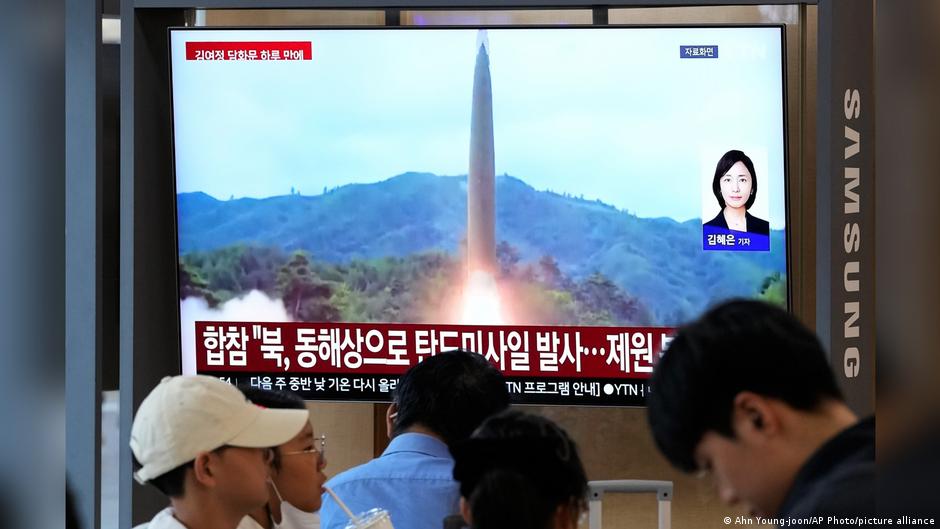
North Korea's missile tests heighten geopolitical risks, impacting currency stability, commodity prices, and everyday household finances worldwide.

UN peacekeeping forces have dropped to their lowest in 25 years due to funding and geopolitical issues, affecting global stability and economic conditions.

The US Senate advances a resolution to restrict military actions against Iran, with significant impacts on household budgets, currency markets, and consumer investments.

Moscow's approval of a new German ambassador amid strained ties may impact household budgets, currency stability, and everyday investors in Germany and Russia.

Palm Beach International Airport in Florida will be renamed after President Trump, changing its code to DJT and impacting local tourism, businesses, and currency collectors.

Serbia hosts first joint NATO military exercises amid neutrality policy, with potential but limited impact on household finances and economic stability.

Secret UAE strikes on Iran and Iranian retaliations disrupt Gulf economies, affecting tourism, real estate, and household finances amid rising regional tensions.

The escape of Poland’s ex-justice minister to the US amid corruption charges highlights risks to currency stability and household financial confidence across Europe.

Global oil reserves fell by a record 200 million barrels in April amid Middle East tensions, signaling higher fuel costs and economic pressure on households and investors worldwide.