U.S. Strike on Gulf of Oman Cargo Ship Adds Pressure on Fuel Costs
The disabling of a Panama-flagged vessel and renewed tanker fire in the Strait of Hormuz highlight risks for household budgets and investors.
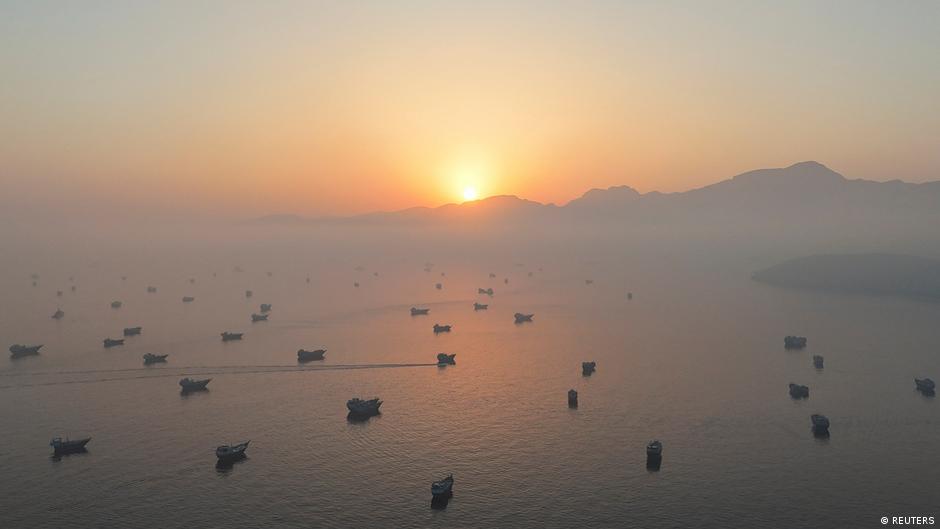
A U.S. Air Force fighter used a precision munition to strike the stern of the M/V Ocean Molica in the Gulf of Oman on October 10, disabling the vessel’s propulsion system without injuring the crew, according to U.S. Central Command. The Panama-flagged commercial cargo ship, also known as the Arika Sun, had previously left an Iranian port and was allegedly attempting to break an active maritime blockade against Iran after ignoring repeated warnings.
The incident adds another flashpoint for consumers and investors already watching energy prices, currency moves and transportation costs tied to the conflict with Iran. The Strait of Hormuz and the nearby Gulf of Oman are central arteries for global energy trade, meaning disruptions there can quickly feed into fuel prices, shipping insurance, business costs and household budgets far from the region.
CENTCOM said its forces acted after the crew of the vessel failed to comply with blockade warnings. The command said the strike fully disabled the ship’s engine installation while leaving the crew unharmed.
Crews have been advised to heed blockade warnings.
The latest action follows the resumption of the U.S. blockade on July 14 against all vessels traveling to or from Iranian ports. Over the past three months, U.S. forces have disabled four commercial vessels and forced 135 vessels to turn around and change course, according to the command. Over the same period, the U.S. military also destroyed 10 tankers linked to what was described as the shadow network of Iran’s Islamic Revolutionary Guard Corps.
Why consumers are watching Hormuz
For households, the financial issue is not only the strike itself, but the broader pattern of disruption around maritime energy routes. When vessels are delayed, diverted or damaged, traders tend to price in higher risk. That can affect crude oil and refined fuel markets, which in turn can show up at gas stations, in delivery costs and in the prices of goods that rely on transportation.
The source article noted that fuel prices have risen significantly again in recent weeks against the backdrop of the war with Iran. That increase has added pressure on Republicans roughly a month before the U.S. congressional midterm elections, at a time when recent polling indicated that their popularity among voters had declined.
For family budgets, higher fuel prices can have a compounding effect. Commuters pay more to get to work, small businesses pay more to move goods, and airlines, trucking firms and retailers face higher operating costs. Some of those costs may be absorbed, but many can eventually be passed on to consumers through higher ticket prices, freight charges or shelf prices.
The pressure can be especially sharp for households with limited savings. Fuel is a recurring expense, and unlike discretionary purchases, it is difficult for many families to avoid. A sustained rise in gasoline or diesel prices can reduce the money available for food, rent, debt payments and emergency savings.
Investors face energy and currency risk
Everyday investors may also feel the effects through portfolios and retirement accounts. Energy-sector shares can react sharply to signs of supply risk, while transportation, airline and consumer-facing companies may come under pressure if markets expect higher input costs. Broader stock indexes can also become more volatile when investors worry that rising fuel costs will weigh on consumer spending or corporate margins.
Currency markets are another channel to watch. Energy shocks can influence inflation expectations, interest-rate outlooks and demand for perceived safe-haven assets. For consumers, those currency moves can matter indirectly through imported goods, travel costs and the price of commodities traded globally.
The latest maritime incident came as the United Kingdom Maritime Trade Operations organization reported that a tanker in the Strait of Hormuz had again come under fire. According to the captain, the vessel was hit on its port side by an unknown projectile, causing a fire. UKMTO said the crew was safe.
That separate tanker incident reinforces the concern that commercial shipping remains vulnerable in one of the world’s most sensitive waterways. Even when crews are unharmed, vessel damage and fire risks can affect insurance premiums, routing decisions and cargo delivery schedules. Those costs can ripple outward through energy markets and consumer prices.
G7 pressure and global trade concerns
The maritime tensions are also unfolding against a broader diplomatic backdrop. On October 2, G7 leaders condemned Iran’s continuing attacks on neighboring countries, as well as actions they said violated international trade, energy security and the global economy. The G7 representatives called for the immediate and full restoration of the rights and principles of navigation in the Strait of Hormuz and said they intended to strengthen collective efforts to achieve that goal.
For markets, such statements matter because they signal that the conflict is no longer only a regional security issue. It is also being treated as a direct threat to trade flows, energy security and the world economy. That framing can affect expectations among investors, shipping companies, insurers and governments.
For households, the practical takeaway is that geopolitical risk can arrive in personal finances through familiar bills. A naval blockade, a damaged tanker or a rerouted cargo ship may seem remote, but the economic consequences can appear in fuel receipts, grocery delivery costs, utility bills and investment balances.
The immediate facts remain limited to the reported incidents: a U.S. precision strike disabled the M/V Ocean Molica in the Gulf of Oman without crew injuries, a tanker was hit in the Strait of Hormuz and its crew was reported safe, and the U.S. blockade has already forced significant changes in commercial vessel movements. The financial significance lies in how repeated disruptions around Iran-linked shipping lanes can keep energy markets tense at a time when consumers are already feeling the effect of higher fuel prices.