Kyiv Mayor Urges Temporary Departures as Russian Attacks Raise Household Risks
Vitaliy Klitschko said residents with options outside Kyiv should consider leaving temporarily as strikes threaten utilities, transport and winter supplies.
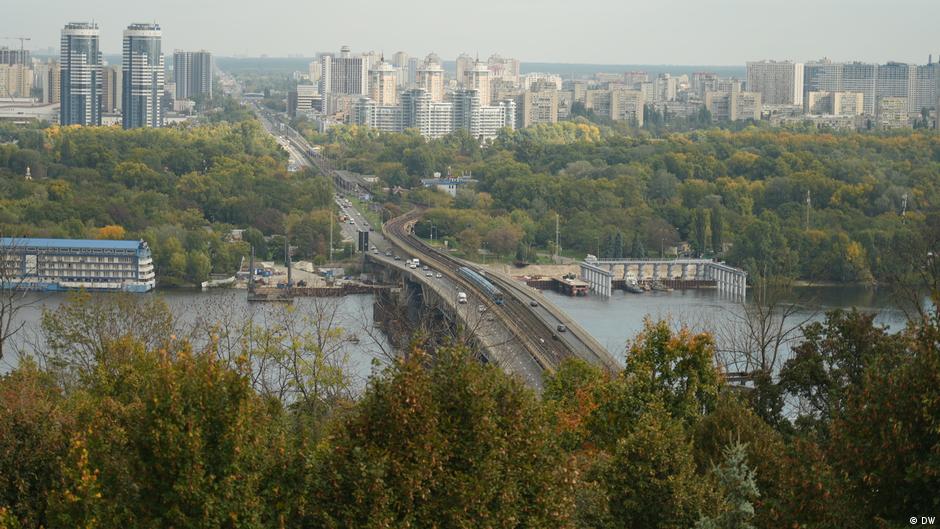
Kyiv Mayor Vitaliy Klitschko has advised residents who have friends or relatives outside the Ukrainian capital to consider leaving the city temporarily, warning that intensified Russian attacks are turning daily life into a question of survival and could place severe strain on household essentials as winter approaches.
In an interview with AFP published on Wednesday, October 8, Klitschko stopped short of calling for a full evacuation. But his message was aimed at families weighing the practical costs of staying in a city where attacks are damaging buildings, killing and injuring civilians, and threatening basic services such as water, heating, communications and transport.
“Today it is about survival,” Klitschko said, according to the interview.
For Kyiv households, the warning carries immediate financial implications. A temporary move can mean paying for transport, taking time away from work, arranging accommodation elsewhere in Ukraine, and covering duplicate living costs. Staying, however, may require families to spend more on emergency supplies, backup power, bottled water, fuel, food and winter preparation, while also facing the risk of service disruptions and damaged property.
Klitschko said the city could face a “fairly large-scale” crisis if Russian strikes disrupt the water supply system. He also said Kyiv authorities are building reserve heating systems ahead of winter and stockpiling fuel, food and drinking water. Even so, he cautioned that preparation has limits if air defenses fail to stop incoming attacks.
“No matter how well the authorities and residents of Kyiv prepare, if air defense does not work, we may find ourselves in a bad scenario,” Klitschko said.
Household planning under pressure
The mayor’s advice puts personal finance decisions at the center of wartime risk management. Families with savings, relatives in other regions, or flexible work arrangements may be better able to leave temporarily. Others may have little choice but to remain, even as the cost of precaution rises.
A temporary relocation inside Ukraine can involve direct expenses that many households may not have budgeted for: intercity travel, rent or contributions to relatives, childcare changes, remote-work equipment, medicine, and the cost of moving elderly family members or children. For people paid in local currency and living on tight monthly budgets, those costs can quickly compete with routine bills.
For residents who stay in Kyiv, emergency budgeting may now include larger outlays for drinking water, shelf-stable food, batteries, warm clothing, portable chargers and alternative heating options where available. The possibility of water or heating failures also increases the value of cash reserves, since electronic payment systems and communications infrastructure may be affected if strikes hit energy and telecom facilities.
The financial burden is not only about immediate spending. Repeated attacks can reduce income if workplaces close, transport links are interrupted, or employees need to relocate. Damage to homes and apartment buildings can create repair costs, while uncertainty over utilities can push families to hold more cash and fewer discretionary expenses. For everyday savers, that means less room for long-term planning and more pressure to prioritize liquidity.
Infrastructure strikes broaden the economic risk
Russia intensified attacks on Kyiv in September. In early October, Russian forces also began striking bridges across the Dnipro River that connect the right-bank and left-bank parts of the city, according to the source article. Those bridges had not previously been attacked. Other targets included energy and communications facilities as well as railway infrastructure.
Those targets matter directly for household budgets. Damage to bridges and railways can make commuting and evacuation more difficult and more expensive. Disruption to energy facilities can raise the cost of staying warm, keeping food refrigerated, working from home and maintaining communications. Attacks on telecom infrastructure can complicate banking, payments, coordination with relatives and access to official warnings.
Klitschko emphasized that he is not calling for the city to empty out entirely. He said a mass departure would serve Russian President Vladimir Putin’s objective.
“That is Putin’s goal. The best scenario for him is for all of us to leave and give him our empty cities and the whole country,” Klitschko said.
The message leaves residents with a difficult balance: reduce immediate personal risk where possible, without feeding the broader strategic pressure on Ukraine’s major cities. From a consumer perspective, the decision may come down to each household’s access to safe accommodation elsewhere, health needs, employment situation and emergency savings.
Ukrainian President Volodymyr Zelensky said on October 3 that Russia had adopted a new strategy of air strikes intended to force Ukrainians to leave Kyiv and other large cities. Klitschko’s comments reflect how that strategy is felt at the household level: as a daily calculation over safety, utilities, transport, money and the ability to endure a winter under attack.
For everyday investors and savers, the mayor’s warning underscores the broader economic uncertainty created by strikes on urban infrastructure. Currency needs may become more immediate for families that must pay for travel or temporary housing, while savings may be redirected from longer-term goals toward emergency reserves. The practical takeaway for Kyiv residents is not a market forecast but a household one: the cost of preparedness is rising, and families with the means to create a temporary backup plan are being urged to consider it now.



