Russian Drone Strikes Hit Ukraine Regions, Raising Civilian and Cost Pressures
Attacks on Zaporizhzhia and Odesa killed at least three people and damaged homes and infrastructure, adding strain for households.
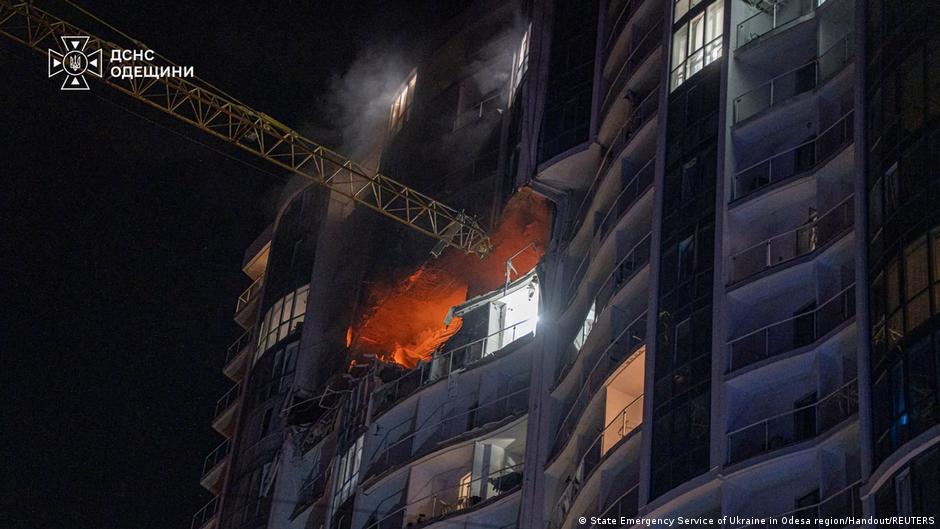
Russian attack drones struck Ukraine’s Odesa and Zaporizhzhia regions overnight into Sunday, September 27, killing at least three civilians and injuring four others, according to preliminary information from regional officials. The attacks hit residential areas in Zaporizhzhia region and port and civilian infrastructure in the city of Kiliya in Odesa region.
For households already living with the financial consequences of war, the latest strikes add another layer of pressure: destroyed homes, damaged property, disrupted transport and the recurring risk that local infrastructure may be taken offline without warning. Even when casualties are limited in a particular location, the economic effect can ripple through family budgets, municipal services and small businesses that depend on roads, ports, utilities and local markets.
Acting head of the Zaporizhzhia military administration Mykhailo Semykin said Russian forces attacked the settlement of Kamyshevakha and the village of Novotavriiske. According to preliminary data cited by officials, three civilians were killed and four others were wounded in Zaporizhzhia region.
In Novotavriiske, Russian forces attacked a car traveling through the village; after the strike, the vehicle caught fire, and a man and a woman died at the scene, according to Semykin.
Authorities also said one house was destroyed in Kamyshevakha and several neighboring homes were damaged. For affected families, that kind of damage can immediately translate into emergency spending: temporary accommodation, repairs, replacement of basic possessions and medical costs for the wounded. In wartime conditions, insurance coverage may be limited, contractors may be scarce, and repair materials can become more expensive or difficult to source.
Household Budgets Under Fresh Strain
The direct human toll is the central fact of the attack, but the financial burden on civilians can continue long after emergency crews leave. A destroyed home can wipe out years of household savings. Damage to nearby properties can force residents to pay for windows, roofs, doors, wiring or heating repairs, often while incomes are already unstable. Families caring for injured relatives may also face lost wages and higher transport or medical expenses.
For everyday consumers, repeated drone attacks can change spending behavior. Households may hold more cash, delay nonessential purchases, spend more on generators or backup power, and prioritize food, fuel, medicine and repairs. In areas close to repeated strikes, people may also keep savings in more liquid forms, including foreign currency, because access to banks, ATMs or digital payment systems can become uncertain during emergencies.
Such decisions are rational at the household level but can tighten local economic activity. When families shift money toward emergency reserves, small retailers, service providers and local trades may see less regular demand. At the same time, demand for repair work, building materials, transport and basic supplies can spike, creating uneven price pressures in communities already coping with war-related disruption.
Infrastructure Damage and Market Sensitivity
In Odesa region, Russia struck port and civilian infrastructure in Kiliya, the Izmail district administration reported. Preliminary information indicated that no one was injured there. A fire that broke out at the strike site was extinguished by emergency services.
Although officials did not report casualties in Kiliya, attacks on port and civilian infrastructure matter for household economics because ports are linked to trade flows, logistics costs and business confidence. Damage or disruption in port areas can affect transport schedules and operating costs for companies, which may eventually feed into prices faced by consumers. The source information does not specify the scale of damage in Kiliya, but the target category alone helps explain why residents, businesses and investors track such attacks closely.
For savers and everyday investors, the broader pattern of strikes can reinforce uncertainty around Ukraine’s economic outlook, currency stability and reconstruction needs. In periods of elevated security risk, households often become more cautious with savings and borrowing. Investors may watch infrastructure damage, government spending needs and regional disruption as signals that can affect risk appetite, currency expectations and the perceived cost of rebuilding.
The latest reports also show how localized violence can carry wider economic implications without requiring large casualty numbers in every location. A damaged house is a personal disaster for one family. A damaged road, port facility or power-linked civilian asset can become a cost issue for many more households. When attacks occur overnight, families and businesses may start the day not only assessing safety, but also calculating whether they can get to work, replace property, reopen shops or cover unexpected expenses.
Officials described the casualty figures as preliminary, meaning the final toll could change as authorities continue assessing the damage. For now, the confirmed picture from regional statements is stark: three civilians killed and four wounded in Zaporizhzhia region, homes damaged in Kamyshevakha, a car struck in Novotavriiske, and port and civilian infrastructure hit in Kiliya with no reported injuries there.
For Money Desk readers, the consumer angle is clear. War damage is not only a geopolitical headline; it is a household balance-sheet event. Each strike can force families to draw down savings, take on informal debt, defer bills or shift money into emergency necessities. It can also shape how ordinary people think about currencies, cash access, investment risk and the cost of everyday resilience.



