Saudi Pipeline Outage Threatens Oil Supplies and Household Energy Costs
A prolonged halt on Saudi Arabia’s East-West pipeline could cut global oil supplies by 4 percent and add pressure to fuel prices, currencies and investor portfolios.
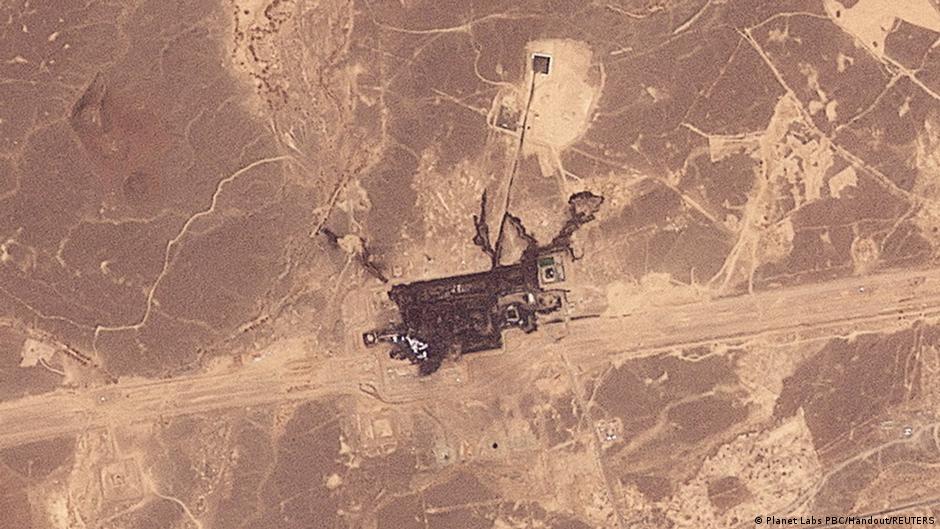
A prolonged shutdown of Saudi Arabia’s East-West oil pipeline could become a direct concern for households, commuters and everyday investors if repairs are not completed quickly. The pipeline, halted after a drone attack by the Houthis, is a key export route for Saudi crude and its disruption could reduce global oil supplies by 4 percent, according to market sources cited by Reuters.
The uncertainty centers on how long it will take Riyadh to restore operations. Saudi authorities have not provided full details on the scale of the damage to the pipeline or on the timing for resuming oil flows. That lack of clarity matters beyond energy markets: oil prices feed into gasoline costs, diesel and freight expenses, airline fares, heating bills in some regions, inflation expectations and currency moves.
For consumers, the immediate risk is not only whether crude prices rise, but whether the outage lasts long enough to keep energy markets tight. A short disruption may be absorbed by inventories and alternative routes. A repair period stretching into several weeks could have a broader effect on household budgets, especially in economies where fuel prices move quickly with global oil benchmarks.
Why the Pipeline Matters to Consumers
The East-West pipeline runs about 1,200 kilometers, linking Saudi Arabia’s main oil fields in the east with the port of Yanbu on the Red Sea. The route allows Riyadh to ship millions of barrels of oil per day without relying on the Strait of Hormuz, where traffic has been restricted by Iran.
That makes the pipeline more than a piece of infrastructure. It is an important pressure valve in a region where geopolitical risk can quickly translate into higher energy costs. If that pressure valve is partially or fully unavailable, the effect can spread from crude oil trading desks to the prices households see at the pump and in monthly bills.
The pipeline was suspended on September 11. Saudi Arabia’s energy ministry said the decision was taken as a “precautionary measure” after drone strikes from Iraqi territory hit the Riyadh and Medina provinces. The interruption followed a period in which the kingdom had leaned more heavily on the route after the start of the war against Iran.
By June, exports through the pipeline had reached nearly 8 million barrels per day, according to estimates from the International Energy Agency. But capacity on the route had already declined in recent weeks after Houthi attacks on Saudi tankers in the Red Sea. In August, shipments through Yanbu stood at about 2.5 million barrels per day, the lowest level since 2013, according to the IEA’s latest monthly report.
Market sources cited by Reuters estimated that a prolonged halt could reduce global oil supplies by 4 percent.
What It Means for Budgets and Savings
For households, oil shocks tend to arrive in several waves. The first is often gasoline and diesel. If global crude prices rise, fuel stations may adjust prices, with the timing depending on local taxes, refining costs and retail competition. Drivers with long commutes, small businesses that rely on vans or trucks, and families planning road travel are usually among the first to feel the squeeze.
The second wave can come through freight and logistics. Diesel prices affect the cost of moving groceries, consumer goods and building materials. Even when retailers do not immediately raise shelf prices, higher transport costs can pressure margins and eventually show up in household expenses.
The third channel is inflation. Energy is a major input across the economy. A sustained oil supply disruption can complicate central bank decisions, especially if fuel prices lift headline inflation at a time when households are already sensitive to the cost of living. For savers, this can matter through interest-rate expectations, bond yields and the real value of cash savings.
Currencies may also react. Oil-importing countries can face pressure if their import bills rise, while oil exporters may see support from higher crude prices, though that can be offset by geopolitical risk. For consumers traveling abroad or sending money internationally, exchange-rate movements can add another layer of cost.
Everyday Investors Face Cross-Currents
For retail investors, the situation is not a simple story of higher oil prices helping all energy stocks. A supply disruption can lift crude benchmarks, but it can also increase volatility, raise shipping risk and weigh on sectors that depend heavily on fuel, including airlines, transport, chemicals and parts of manufacturing.
Energy producers may benefit from firmer prices, but companies exposed to the affected region can also face operational and geopolitical risks. Broader stock markets may react negatively if investors see the pipeline outage as part of a wider escalation threatening trade routes and inflation stability.
Bond investors may watch the inflation channel closely. If markets begin to price in higher energy-driven inflation, yields can move, affecting bond prices and borrowing costs. Households with variable-rate debt, or those planning major purchases financed by loans, may find that an oil shock indirectly changes the cost of credit if it shifts expectations for central bank policy.
The repair timeline remains the critical unknown. One Reuters source said repairs could take five to six weeks. Another source said the work could be completed faster and that oil pumping could resume before repairs are fully finished.
Saudi Aramco has restored the pipeline quickly before. The East-West pipeline was also attacked in April, but the national oil company brought it back into service promptly. Whether the same happens this time will determine how much of the risk remains a market scare and how much becomes a sustained hit to supply.
For now, consumers and small investors do not need to react to every price swing. But the pipeline outage is a reminder that household finances are tied to energy infrastructure far from home. Fuel budgets, grocery bills, travel costs, savings returns, currencies and retirement portfolios can all be affected when a major oil-export route is disrupted and repair times are uncertain.



