Finland Pushes EU Tourist Visa Ban for Russians as Travel Curbs Tighten
Foreign Minister Elina Valtonen says EU states should stop issuing tourist visas to Russians while Moscow continues its war against Ukraine.
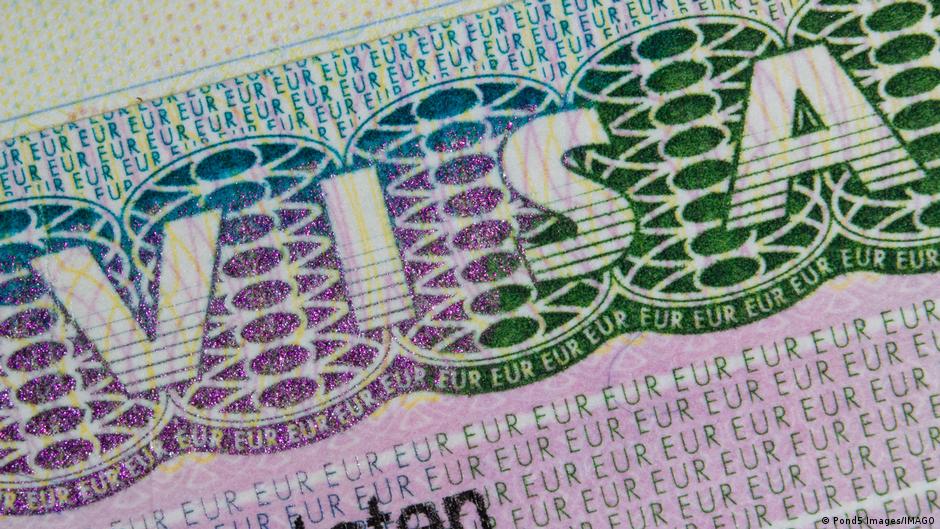
Finland’s foreign minister, Elina Valtonen, has urged European Union countries to stop issuing tourist visas to Russian citizens while Russia continues its aggressive war against Ukraine, a move that would further narrow cross-border travel options and could reshape spending patterns for Russian households, airlines, travel agencies and consumer businesses tied to Schengen tourism.
Valtonen said on X on Monday, October 12, that she had invited other EU member states to join her appeal to the European Commission on the issue. Her message placed the proposed visa restrictions in moral and political terms, but the consequences would also be practical and financial for ordinary travelers and for companies that still serve Russian visitors.
“It is wrong that Russians can travel to Europe to enjoy the lifestyle and freedoms here while their country bombs the homes of Ukrainians,” Valtonen said.
Finland, which shares a long border with Russia, has already taken a tougher national line. Valtonen said Finland banned visas for Russians traveling for non-essential purposes in 2022 and argued that the same approach should now be adopted across the EU. A bloc-wide policy would matter because Schengen visas can allow travel across much of Europe, making national restrictions less effective if travelers can enter through another member state.
What It Could Mean for Household Budgets
For Russian households that still budget for European trips, a wider EU tourist visa ban would remove one of the most familiar premium travel options. Families that might otherwise spend savings on flights, hotels, shopping and services in Europe would have to redirect that money to domestic tourism, non-EU destinations or postpone discretionary travel altogether.
The financial impact would be uneven. Wealthier travelers with multiple-entry visas, overseas ties or access to alternative routes may have more options. Middle-class consumers, students’ families, leisure travelers and small business owners who rely on periodic European trips would face higher uncertainty and potentially higher costs if they seek travel through longer routes or different destinations.
The proposal also lands in a broader environment where currency movements, payment restrictions and sanctions have already complicated cross-border spending. Any further reduction in Schengen access would make travel planning less predictable, affecting how households allocate savings in rubles, euros or other currencies. For everyday consumers, that uncertainty can turn a vacation budget into a risk calculation.
Pressure Builds Across Europe
Valtonen also called for a ban on issuing Schengen visas to people in the close circle of Russian President Vladimir Putin, restrictions on visas for Russian athletes, and effective enforcement of visa bans for Russian participants in the war against Ukraine. “The EU must act together,” she stressed.
Her appeal follows earlier calls within the bloc for tougher measures. In September, EU foreign policy chief Kaja Kallas said that in response to Moscow’s “hybrid attacks,” the EU needed to tighten restrictive measures against the Kremlin, including reducing the number of tourist visas.
Estonia has also advocated a visa ban for former Russian participants in the war against Ukraine. That proposal was later supported by other countries in the Baltic region and Northern Europe, according to the source report.
In June, a group of EU countries issued a joint call to stop granting tourist visas to Russians. A letter signed by those countries said that in 2025, Russians were issued 470,000 visas to visit 29 Schengen countries. Many of those visas allowed multiple entries, AFP noted.
That figure is significant for consumers and markets because visas are not just travel documents; they underpin spending flows. Visitors typically bring demand for hotels, retail, transport, restaurants, health services and financial services. A sharp reduction in Russian tourist access would concentrate the effect in destinations that still receive Russian travelers, while also pushing Russian spending toward other regions.
Everyday Investors Watch Sanctions Risk
For everyday investors, the proposed visa restrictions are part of the continuing sanctions and geopolitical risk landscape rather than a standalone market event. Travel, aviation, hospitality, luxury retail and payment companies have all had to adjust over several years of disrupted Russia-Europe ties. A further tightening of visa access would reinforce that trend.
Investors with exposure to European consumer sectors may view the issue through a regional lens. In many large EU economies, Russian tourist spending is no longer the central driver it once was for some luxury and travel businesses. But in border states, travel hubs and niche retail markets, policy shifts can still affect revenues at the margin.
For Russian investors and savers, the message is more direct: political risk continues to shape access to foreign travel, foreign services and foreign currency spending. Households that hold euros for travel or education-related costs may need to reassess whether those funds are still likely to be used as planned.
The visa debate also highlights a larger challenge for consumers: measures aimed at the Kremlin can spill into day-to-day financial decisions. Even when sanctions are framed around security and foreign policy, their effects often show up in household budgets, savings plans, travel choices and business cash flow.
According to information published on the Austrian parliament’s website, the EU Council is scheduled to discuss visa policy toward Russia on October 14. That discussion could indicate whether Valtonen’s proposal gains wider institutional momentum or remains one of several national and regional pressure campaigns inside the bloc.
For now, the direction of travel is clear. Finland wants the EU to move from a patchwork of national restrictions toward a common position on Russian tourist visas. If adopted, that would tighten another channel between Russian consumers and the European economy, with effects felt not only in diplomacy but also in wallets, travel budgets and investment assumptions.



