Ukraine Denies Trump Urged Zelensky to Meet Putin in Moscow
Kyiv rejected a Bloomberg report as energy talks and diesel price pressures put the war’s economic risks back in focus for households and investors.
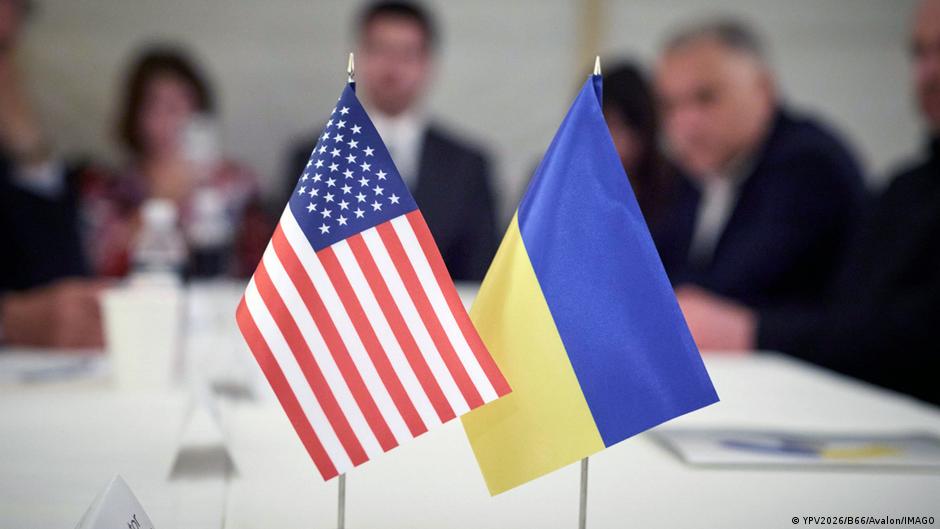
Ukraine’s presidential office has denied a report that U.S. President Donald Trump suggested Ukrainian President Volodymyr Zelensky travel to Moscow for talks with Russian President Vladimir Putin, a claim that had added another layer of uncertainty to diplomacy around the war and its impact on energy costs.
The denial followed a Bloomberg report, citing sources, that Trump made the proposal during a meeting with Zelensky on the sidelines of the United Nations General Assembly in New York. According to that report, Zelensky rejected the idea, and people close to the Ukrainian leader said he was upset by it.
“This is false information,” Dmytro Lytvyn, an adviser to the Ukrainian president on communications, told Ukrainska Pravda.
For households and everyday investors, the dispute matters less as a diplomatic anecdote than as a signal of how fragile the war’s negotiating track remains. Markets have repeatedly responded to developments in the conflict through energy prices, currency swings and changing expectations for defense spending, sanctions and trade flows.
The immediate economic backdrop is energy. Bloomberg reported that Washington has been pressing Moscow and Kyiv to agree to stop attacks on energy infrastructure amid rising global diesel prices. Diesel is a key cost across transport, farming, shipping and construction, which means higher prices can filter into grocery bills, delivery fees and the cost of many everyday goods.
Energy Costs Keep Diplomacy Relevant to Family Budgets
Zelensky and Russian Foreign Minister Sergei Lavrov held separate meetings this week in New York with representatives of the Trump administration. The discussions came as Washington sought some form of agreement between Russia and Ukraine to halt strikes on energy facilities, according to Bloomberg.
Any reduction in attacks on energy infrastructure could matter for consumers far beyond the battlefield. Diesel prices affect supply chains directly, and sustained increases often show up in household budgets with a delay. Commuters, small businesses and consumers already watching food, heating and transport expenses can be especially sensitive to fuel-driven inflation.
For investors, the same dynamic can move markets. Energy shocks tend to affect airline stocks, transport companies, manufacturers and retailers, while also shaping inflation expectations. If fuel costs rise sharply, central banks may face added pressure even when broader inflation is easing. That can influence bond yields, mortgage rates and the performance of rate-sensitive assets.
Currency markets can also react to signs of escalation or de-escalation. The U.S. dollar often benefits during periods of geopolitical stress, while European currencies can be more exposed to energy-related risks linked to the war. Ukrainian and Russian assets remain highly constrained by the conflict, sanctions and capital controls, but broader emerging-market sentiment can still shift when investors reassess geopolitical risk.
Talks Remain Uncertain
On September 25, Zelensky said technical-format trilateral talks involving the United States, Ukraine and Russia could take place in the United Arab Emirates. That potential venue contrasts sharply with Moscow’s repeated insistence that a meeting between Putin and Zelensky could happen only in the Russian capital.
The Kremlin has rejected Kyiv’s recent proposal to hold talks on ending the war during a G20 summit in Miami, where Washington has invited Putin. Russia’s position has been that any meeting between the two presidents must take place in Moscow.
On September 23, Kremlin spokesman Dmitry Peskov said the Ukrainian president, “if he wants, can come to Moscow,” where he would be given “the necessary security guarantees.” Kyiv has not accepted that framing, and the latest denial from Zelensky’s office underlines how sensitive the question of venue remains.
The issue has a longer history. In June, Putin said Zelensky had asked him for a personal meeting through a Russian businessman. Zelensky later said he had passed a message to the Kremlin leader through Roman Abramovich.
For consumers, the practical takeaway is that even procedural disputes over where talks might happen can influence expectations around the war’s duration. A credible path toward limits on energy infrastructure attacks could ease pressure on fuel markets. A breakdown or escalation could do the opposite, particularly if diesel supplies remain tight or traders price in further disruption.
For ordinary savers, this is the kind of geopolitical story that can quietly affect portfolios without appearing in a bank statement right away. Higher energy prices can support energy shares but hurt transport-heavy businesses. Inflation concerns can weigh on bonds and growth stocks. Currency moves can affect international funds held in retirement accounts.
The Ukrainian denial does not resolve the larger question of whether Washington can move Moscow and Kyiv toward even limited technical agreements. But it does show how quickly diplomatic reports can become market-relevant when energy prices are already under pressure and households are still sensitive to the cost of fuel, food and borrowing.