Russia’s June Oil Product Output Drops Nearly 22%, Impacting Consumer Fuel Prices
Russia’s oil product production dropped nearly 22% in June, driving fuel price increases and straining household budgets and consumer spending.

Russia’s oil product production dropped nearly 22% in June, driving fuel price increases and straining household budgets and consumer spending.

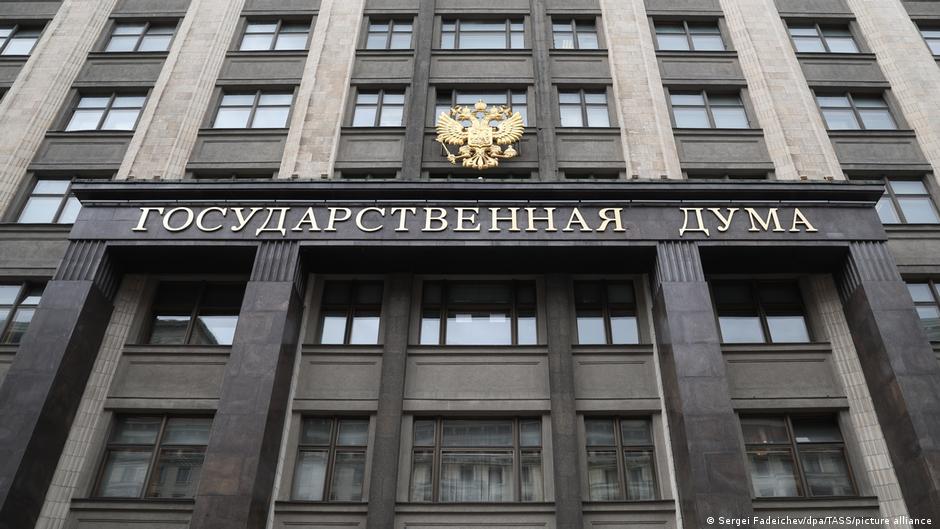
Russia's updated fuel damping law aims to stabilize fuel prices, helping households manage costs amid market disruptions and supporting agricultural and import supply chains.

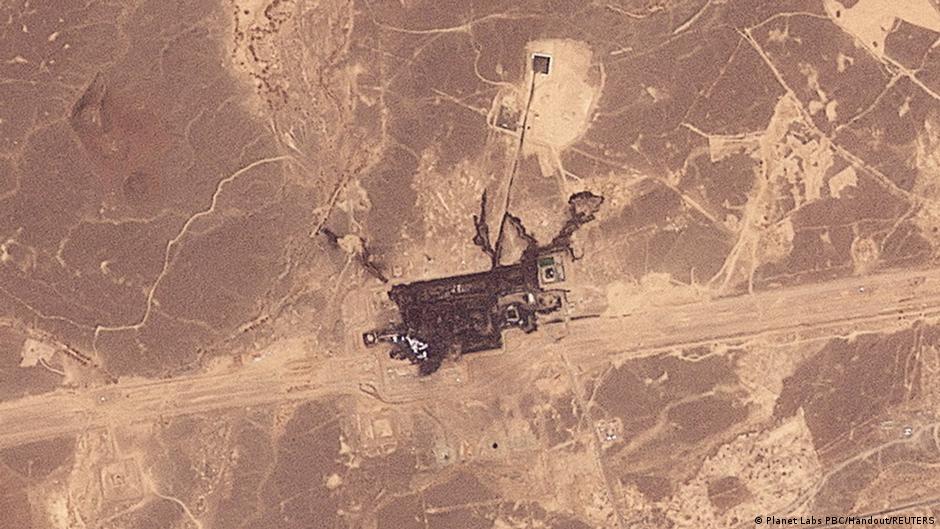
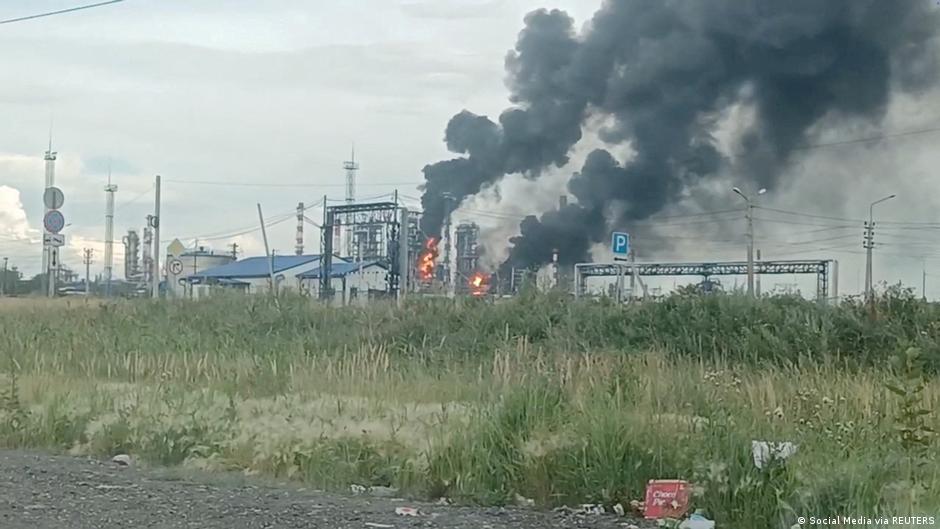
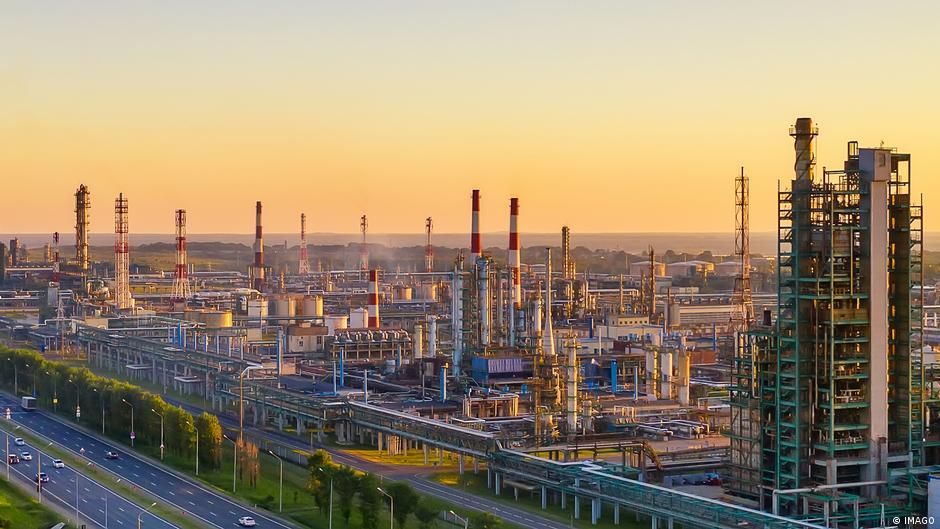
The Saratov refinery’s shutdown amid drone attacks worsens Russia’s fuel scarcity, impacting millions of consumers and raising fuel prices nationwide.

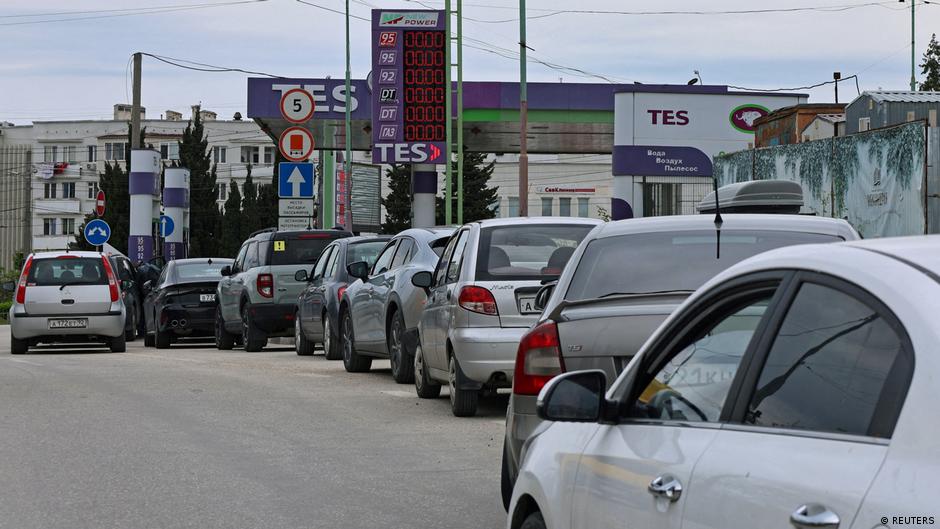
Gasoline prices in Crimea surged nearly 92% in early July, doubling in just one week and severely impacting household budgets and regional fuel markets.

Russia permits use of older Euro-3 gasoline and diesel fuels until 2026, impacting fuel quality, prices, and household budgets amid a worsening supply crisis.

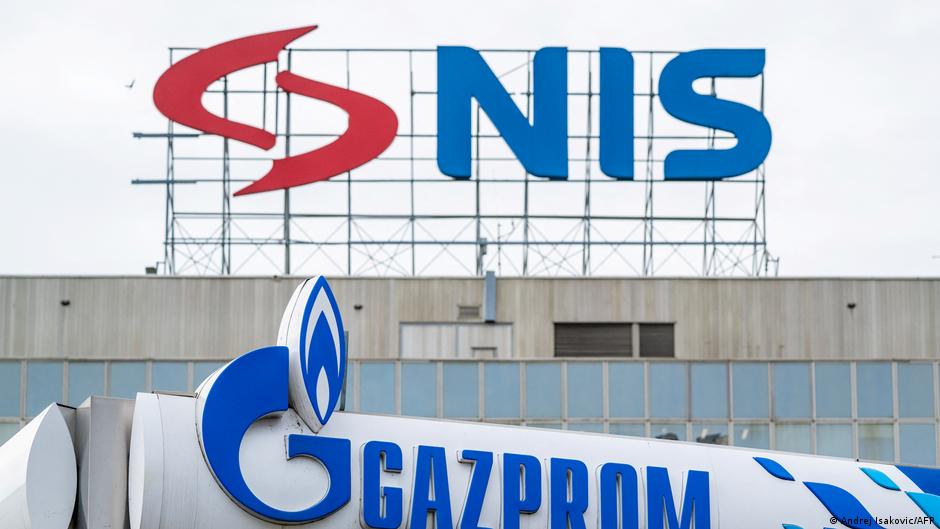
The US extended a temporary license allowing Serbia's NIS oil company to operate under sanctions, delaying Gazprom's divestment and easing potential fuel supply disruptions.

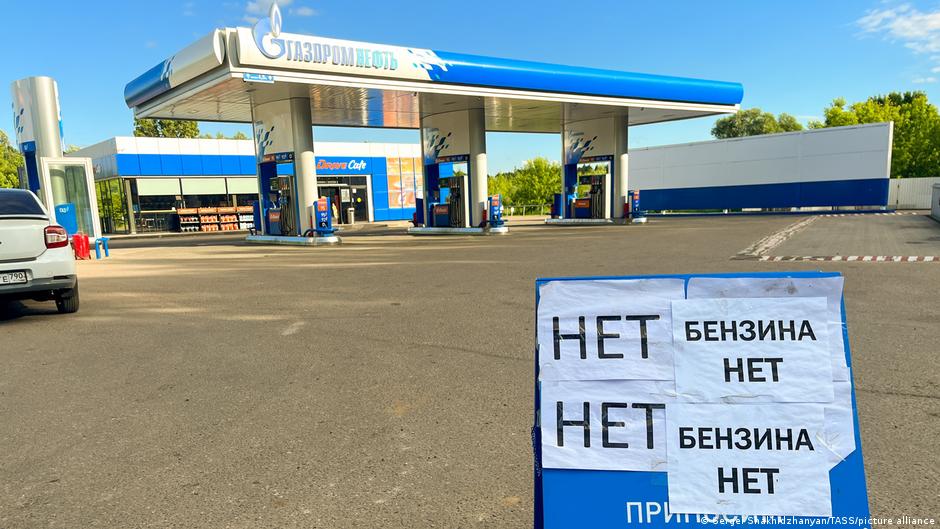
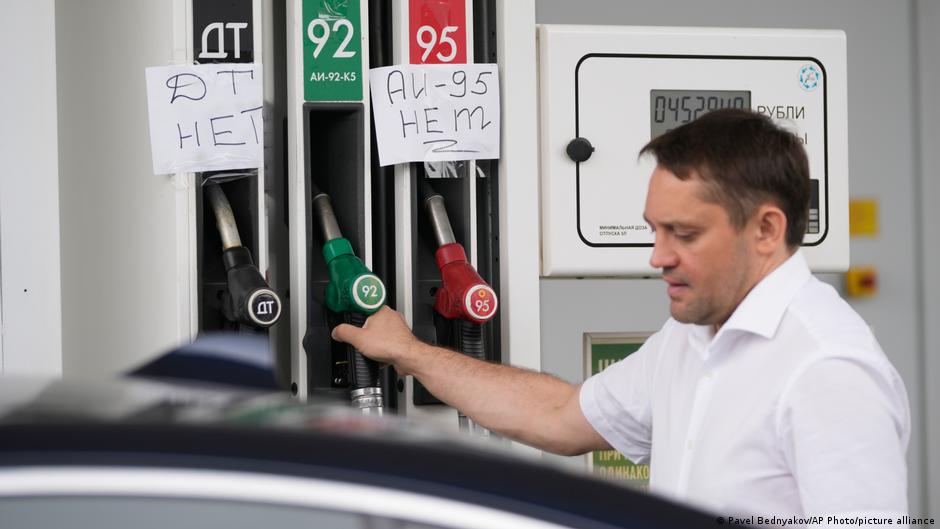
Russia imposes fuel sale limits in 53 regions amid refinery attacks, challenging household budgets and daily transportation for many consumers.

Russia plans 1-2 month export restrictions on diesel and jet fuel to stabilize domestic supply amid refinery disruptions, affecting household budgets and energy prices.

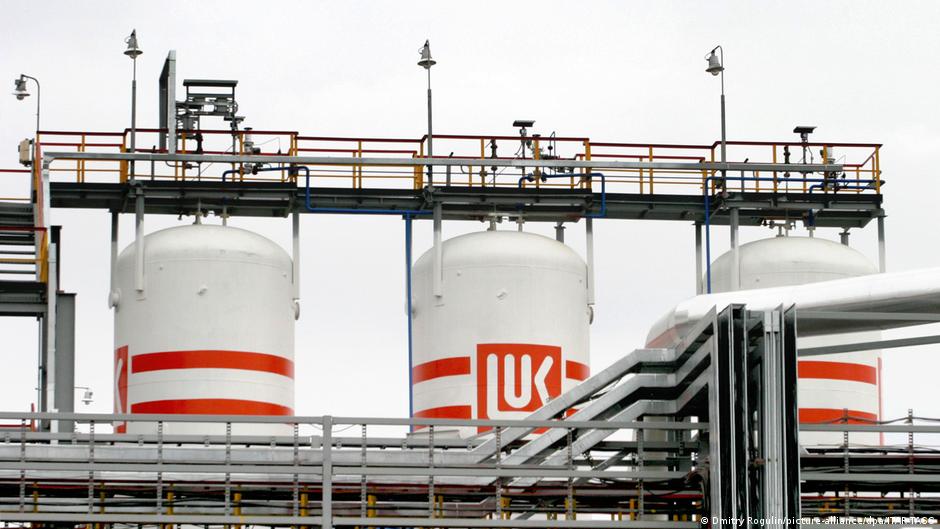
Drone strikes on Lukoil’s Nizhny Novgorod refinery have halved its output, reducing fuel supplies and potentially raising prices for Russian households and consumers.

The UK government has authorized indefinite imports of diesel and kerosene refined from Russian crude via third countries to ease rising fuel prices impacting households.