Trump Delays Russia Sanctions as Diesel Costs and Markets Hang in Balance
The White House says postponing sweeping tariffs supports Ukraine talks and restrains Iran, while limiting risks to fuel prices and household budgets.
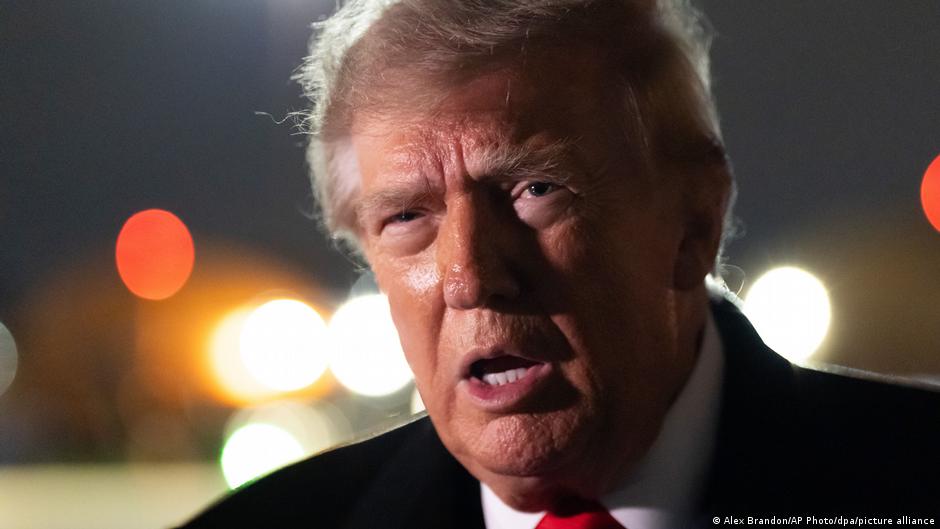
US President Donald Trump said he has postponed what he called “hellish sanctions” against Russia, arguing that immediate action could disrupt negotiations over the war in Ukraine and encourage Moscow to provide more assistance to Iran.
Trump said he would impose the measures whenever he considered the timing appropriate. The decision leaves consumers, savers and everyday investors facing continued uncertainty over energy prices, trade costs and currency markets. The proposed restrictions include tariffs large enough to reshape international flows of oil, gas and other goods if enacted.
“I can sign it later at any time when I consider it necessary,” Trump said of the sanctions legislation.
In a Truth Social post published Sunday, Oct. 18, Trump said his approach to Russia was straightforward because peace negotiations were underway. He said he did not want to take steps that might push Moscow away from the negotiating table.
According to Trump, the talks have already made “significant progress,” including on the release of prisoners. He said signing the legislation now would produce the outcome he wants to avoid.
Tariff threat carries consequences for household costs
The bill associated with Senator Lindsey Graham would impose an additional 500% tariff on Russian goods. It would also place a 100% tariff on products from countries that rank among the five largest buyers of Russian oil and gas or provide the most active assistance to Moscow in circumventing sanctions.
For households, such tariffs matter even when consumers do not directly buy Russian products. Duties affecting major energy-trading countries could filter through supply chains, potentially raising costs for fuel, transportation and goods whose production depends heavily on energy. The scale and timing of any impact would depend on which countries and products were ultimately covered and how suppliers redirected trade.
The legislation required Trump to introduce the restrictive measures by Oct. 18 but also allowed him to pause the process when doing so served US national interests. Trump exercised that authority on Oct. 17.
The delay removes an immediate tariff shock but does not eliminate the risk. Because Trump said he could activate the measures later, energy markets, currencies and investments exposed to Russia or its trading partners may remain sensitive to developments in the negotiations. For individual investors, that means geopolitical headlines could continue to influence energy shares, international funds and exchange rates.
Diesel supplies emerge as a consumer issue
Trump also renewed his criticism of Ukrainian President Volodymyr Zelensky over Ukrainian military attacks on Russian oil refineries that produce diesel fuel. Trump argued that Zelensky understands those strikes cause serious damage to the global diesel market, including the US market.
Diesel prices have broad implications for household finances because the fuel is widely used in agriculture, freight and commercial activity. Trump said farmers, ranchers and business owners across many sectors were suffering as a result of the refinery attacks.
At the same time, he said Russia continued to supply the world market with millions of barrels of low-priced diesel despite the attacks. Trump complained that Zelensky did not care about the resulting strain on fuel users.
For consumers, the central issue is not limited to prices at diesel pumps. Higher fuel and freight expenses can be reflected in grocery bills and the cost of other everyday goods. Conversely, continued Russian diesel exports could help contain supply pressure, though the possibility of future sanctions or further refinery disruptions leaves the outlook uncertain.
Iran and Ukraine negotiations shape the decision
Trump said another potentially more important consideration was Russia’s limited support for Iran. He argued that Moscow was providing almost no assistance compared with what it could offer and said he wanted that situation to continue. He added that it would continue unless “foolish people” interfered.
The president repeated that he wants to end Russia’s war against Ukraine. He accused Zelensky of having little interest in ending the conflict and suggested the Ukrainian leader may never have sought that outcome.
Trump further claimed that Zelensky could have secured a much better agreement two years earlier. He described Ukraine as being in ruins, with a significant share of its territory lost, no remaining access to seas or oceans, and a male population that had declined, been wounded or killed.
Those statements represent Trump’s characterization of the war and negotiations. His decision means the threatened trade measures remain available but are temporarily suspended while diplomacy continues.
For households and investors, the pause offers limited near-term relief rather than certainty. The financial stakes extend from diesel and food costs to inflation expectations, savings returns and the value of currency-linked investments. Any later decision to activate tariffs of 500% and 100% could rapidly alter those calculations, especially if it affects major buyers of Russian energy.



