US Lifts 50% Tariffs on Some Canadian Goods, Adds New Consumer Levies
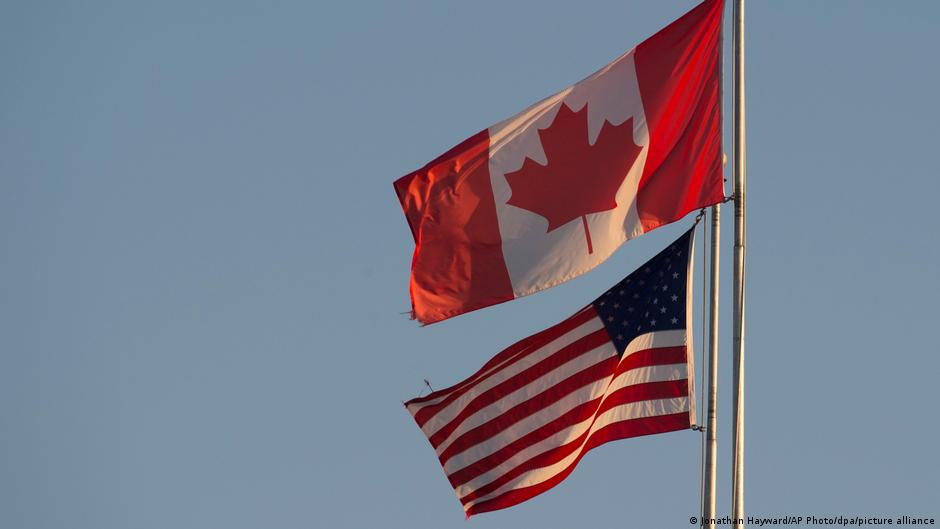
Washington will remove 50% duties from selected Canadian imports but impose tariffs on household products, creating mixed effects for prices and investors.

Washington will remove 50% duties from selected Canadian imports but impose tariffs on household products, creating mixed effects for prices and investors.

Trump postponed sweeping Russia tariffs to preserve Ukraine talks and limit Moscow’s support for Iran, leaving fuel prices, household costs and markets uncertain.

Trump signed a sanctions law targeting Russian energy buyers, creating new risks for fuel prices, household budgets and investor portfolios.

A US-Denmark-Greenland security deal could affect defense stocks, rare earth supply chains, currencies and household costs despite claims it is taxpayer-free.

Merz says the old U.S.-German alliance may be over, raising questions for prices, defense spending, currencies and everyday investors.

Trump’s EU trade threat over Canada ties raises new risks for household budgets, import prices, currencies and everyday investors.

The House advanced a bill allowing 100% tariffs on buyers of Russian energy, raising consumer price and investor concerns.

Trump said the U.S. will remove a 10 percent tariff on Irish whiskey, a move that could ease import costs and affect consumer prices.

A reported Ukrainian drone attack in Russia’s Yamal gas region raises fresh questions for energy prices, currencies, household budgets and investors.

The US imposes tariffs up to 100% on imported drones and parts, affecting prices for consumers, investors, and businesses amid national security concerns.

US Senate sanctions targeting Russian energy exports may drive higher fuel prices and inflation, affecting household budgets and investors worldwide.

The Zaporizhzhia Nuclear Plant’s repeated power outages threaten regional energy stability, pushing up costs and straining household budgets amid ongoing conflict.
Uzbekistan’s new digital transformation plan introduces a national navigation system and unified public platform, aiming to improve services and reduce costs for consumers and investors.

The US Senate advances sanctions bill imposing steep tariffs on Russian imports, potentially raising prices and affecting household budgets and investments.

The US has imposed 50% tariffs on Canadian imports, raising prices on goods like wine and cement, which may increase costs for American households and affect everyday investments.

Trump alleges China accessed data of 220 million US voters in 2020, raising concerns over data breaches that threaten consumer security and household finances.

The EU cuts duty-free steel imports by 47%, imposing 50% tariffs on excess, potentially raising prices for consumers and impacting household budgets and investors.

The US House approved sanctions on Russia and aid to Ukraine, with potential impacts on household budgets, currencies, and investment markets worldwide.

Putin warns Armenia of tariff hikes and work restrictions if it leaves the Eurasian Economic Union, threatening household budgets and economic ties.

Hungary reinstates its ban on Ukrainian agricultural imports, impacting local food prices, household budgets, and regional trade dynamics amid EU tariff changes.

The EU-Mexico trade deal removes tariffs and trade barriers, potentially lowering consumer prices and opening new investment opportunities for households and everyday investors.

Trump's Beijing meeting with Xi Jinping signals potential easing of trade tensions and energy conflicts, with important effects on consumer prices and currency stability.

The US postpones planned 25% tariffs on EU cars until July 4, easing potential price increases for American consumers and providing time for trade negotiations.

US plans to raise auto tariffs on EU imports threaten Germany’s economy, potentially triggering a 2026 recession with significant impacts on household budgets and consumer prices.

The EU-Mercosur free trade agreement starts provisionally, promising cheaper goods but raising concerns over environmental standards and agricultural impacts affecting households and investors.

The Central Bank keeps interest rates at 14% due to persistent food price inflation and external risks, impacting household budgets and savings strategies.