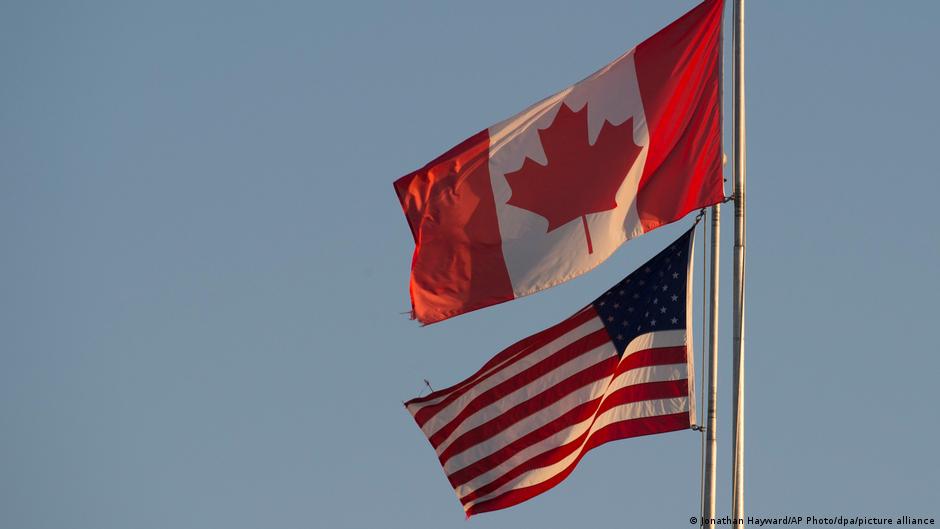
US Imposes 50% Tariffs on Canadian Goods, Impacting Household Budgets and Consumer Prices
New American tariffs on Canadian imports, including wine and cement, threaten to increase costs for US consumers and everyday investors.

On July 20, 2020, the President of the United States signed executive orders imposing new 50-percent tariffs on a broad range of Canadian goods. This decision targets products ranging from wine and cement to hockey sticks, citing what the US administration refers to as discriminatory practices by Canada against American alcoholic beverages, automobiles, and dairy products.
Impact on US Consumers and Household Budgets
The tariffs, set to take effect on August 19, 2020, cover approximately $20 billion worth of Canadian imports. Exemptions apply only to energy resources, potash, and goods already subject to existing tariffs. Notably, these tariffs extend even to goods traded under the United States-Mexico-Canada Agreement (USMCA), which governs free trade among the three countries.
Economists warn that such tariffs typically result in increased prices for American consumers. Products like wine, cement, and sporting equipment could see price hikes as importers pass on tariff costs. For everyday households, this means higher grocery bills and increased expenses for home improvement projects and leisure activities.
"The new tariffs on Canadian imports will likely translate into higher costs for American families, affecting everything from the wine on dinner tables to the construction materials used to renovate homes," said a trade analyst.
Additionally, the tariffs aim to pressure Canada to grant better access for American automobile exports by addressing perceived trade barriers. However, this strategy risks escalating a trade dispute that could disrupt supply chains and investment decisions for consumers and investors alike.
Currency and Investment Implications
The imposition of steep tariffs can contribute to fluctuations in the exchange rate between the US dollar and Canadian dollar. A prolonged trade conflict may weaken the Canadian dollar, affecting the cost of Canadian products and the value of investments tied to cross-border trade. For everyday investors, volatility in currency markets and potential disruptions in trade sectors could impact portfolios, particularly those with exposure to automotive, agricultural, or manufacturing industries.
Canada’s Prime Minister has expressed willingness to engage in intensified negotiations to resolve disputes and modernize trade agreements. Meanwhile, the US administration has indicated readiness to escalate tariffs further if conditions are not met, signaling extended uncertainty for consumers and investors.
In recent weeks, tensions have also been fueled by environmental concerns, with the US citing costs incurred from Canadian forest fire smoke as a potential justification for additional tariffs. This further complicates the economic relationship between the two countries.
What This Means for Everyday Americans
Households should be prepared for the possibility of increased prices on a variety of imported goods that are part of daily consumption and use. From higher grocery store prices for wine and dairy products to more expensive building supplies and sports equipment, the ripple effects of these tariffs may squeeze family budgets.
Investors, meanwhile, should stay alert to market developments related to US-Canada trade relations. Volatility in sectors dependent on cross-border commerce could impact stock valuations and currency portfolios. Diversification and cautious monitoring of trade policy developments are advisable strategies in this uncertain landscape.
Overall, while the tariffs are designed as a tool to improve American export conditions, their immediate effect will likely be felt by consumers and investors, emphasizing the interconnectedness of trade policy and personal finance.