Finland Completes 200-Kilometer Border Fence With Russia
The project underscores how security spending linked to Russia’s war in Ukraine is reshaping public budgets and regional economies.
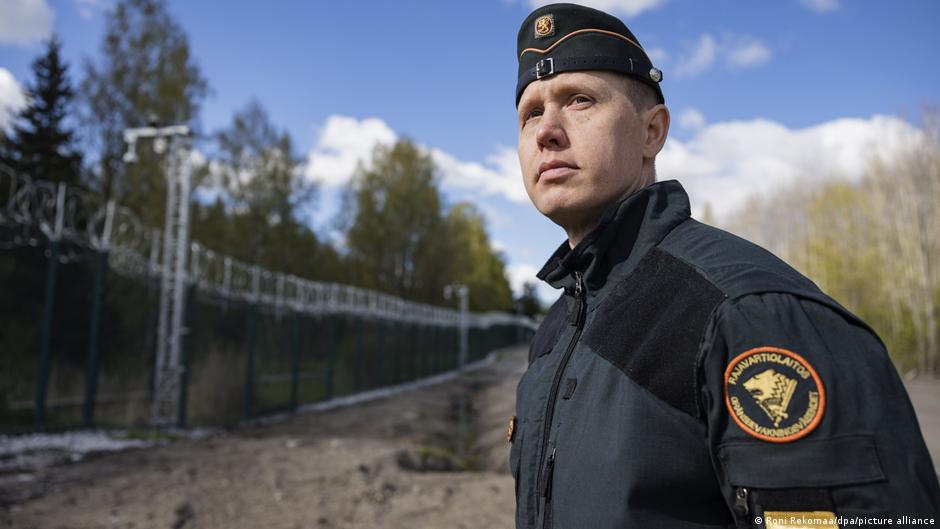
Finland has completed construction of a 200-kilometer barrier along its border with Russia, a major infrastructure project that Helsinki says is now part of the country’s broader system for protecting citizens and securing the external frontier of Europe’s Schengen area.
The Finnish Border Guard, part of a NATO member state, announced on Monday, September 7, that the work had been completed. The fence was built against the backdrop of Russia’s war against Ukraine and concerns in Helsinki that Moscow could use migrants as a form of pressure on Finland.
“The main task of the state is to ensure the security of its citizens,” Finnish Interior Minister Mari Rantanen said, describing the wall on the eastern border as an “integral part of an effective border security system in these unpredictable times.”
Rantanen said Finland, as a member of the Schengen zone, also bears its share of responsibility for security at the bloc’s external borders. That framing places the project not only in the category of national defense, but also in the wider set of costs European governments are absorbing as they respond to the security consequences of the war in Ukraine.
A Security Project With Budget Consequences
For households and taxpayers, the completion of the fence is another example of how geopolitical risk can translate into public spending priorities. The Finnish authorities described the border barrier as one of the largest infrastructure projects in the country. Its construction involved hundreds of companies, with as many as 600 people and 150 pieces of equipment working on construction sites each day.
The source article does not state the project’s cost, but the scale of the work points to the kinds of budget decisions governments face when security concerns rise. Border infrastructure of this size requires labor, materials, technology, roads and maintenance. Those outlays can support local contractors and employment in the short term, while also competing with other demands on public finances.
For consumers, the connection is indirect but real. When governments increase spending on security, defense and border control, taxpayers ultimately fund those choices through national budgets. The impact may not show up immediately in a household’s monthly bills, but it can influence future debates over taxes, public services, borrowing and fiscal priorities.
The barrier itself consists of a 4.5-meter-high fence, a technical surveillance system, a road network and a 25-meter-wide clearing. That combination makes the project more than a simple physical wall. It is a security platform that includes monitoring, access and maintenance infrastructure, all of which can require ongoing funding after construction is complete.
Local Economies and Everyday Investors
The project also has a local economic dimension. Hundreds of companies took part, and the daily presence of workers and equipment would have brought activity to areas near the construction sites. For firms involved in construction, transport, surveillance technology and related services, large public infrastructure projects can provide revenue during periods when private demand may be weaker.
At the same time, communities near the border have had to absorb the social and practical effects of a changed security environment. In the city of Imatra, near where construction took place, enthusiasm for the project was limited, according to earlier remarks by Mayor Matias Hilden in an interview with DW. Residents had accepted the need for the work, he said, while noting that it was “a little sad that we need this.”
That sentiment captures a wider tension relevant to household finances: security measures may be judged necessary, but they reflect a world in which public resources are increasingly directed toward managing geopolitical shocks. For savers and everyday investors, such developments can influence expectations about government spending, regional stability and the long-term investment climate in Europe.
Finland began construction work in March 2023, after Russia’s full-scale war against Ukraine had already changed security calculations across the region. Helsinki was concerned that Russia could use migrants to put pressure on the country. That concern followed a period of heightened movement across the border. In September 2022, a large number of Russians fled to Finland after Russian President Vladimir Putin announced a partial mobilization in Russia.
Finland’s position has also changed strategically. The country is now a NATO member, and its eastern border with Russia has become part of a broader security line watched closely by European policymakers, investors and currency markets. While the article does not cite market moves, the underlying issue is one financial markets regularly track: geopolitical risk can affect currencies, capital flows and investor appetite for European assets.
For household investors, the practical takeaway is not that a border fence itself moves markets, but that infrastructure decisions like this are signals of the risk environment governments are preparing for. Defense, border security, energy resilience and migration management have all become budget themes across Europe since Russia’s war against Ukraine began.
Those priorities can shape public borrowing needs and the direction of government contracts. They can also influence sectors tied to infrastructure, technology surveillance, transport and security services. At the consumer level, the question is how much of Europe’s public spending will continue to shift toward security, and what that means for tax policy, social spending and economic confidence over time.
Finland’s completed 200-kilometer fence is therefore both a border project and a financial marker. It shows how a geopolitical shock can move from foreign policy into construction sites, public budgets, local communities and, eventually, the assumptions households and investors make about the future.