Ukraine Gains Upper Hand Over Russia, Impacting Regional Stability and Economic Outlook
Ukraine’s recent military gains against Russia signal regional shifts affecting currency stability, energy prices, and household budgets amid ongoing conflict.

Ukraine’s recent military gains against Russia signal regional shifts affecting currency stability, energy prices, and household budgets amid ongoing conflict.

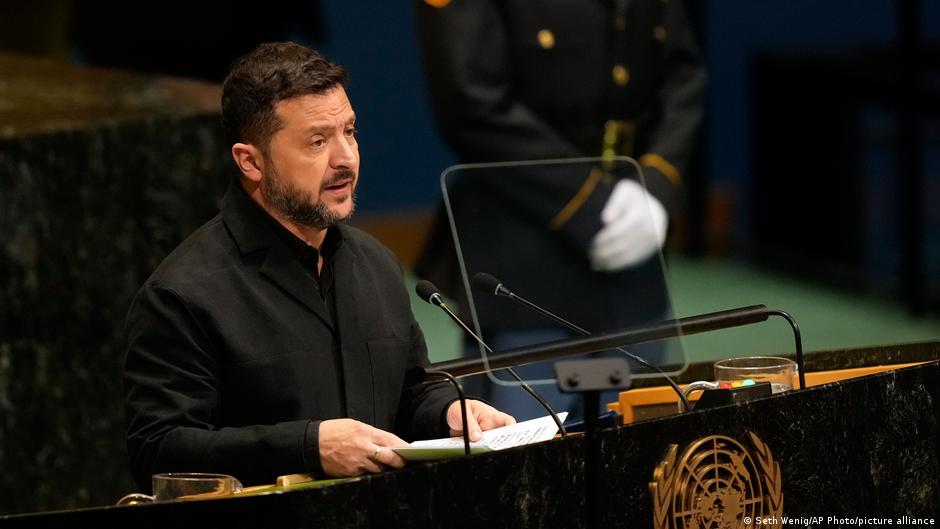
Ukraine’s plan to supply NATO with long-range drones and missiles could reshape defense dynamics and affect household finances, currency stability, and consumer investment decisions in Europe.
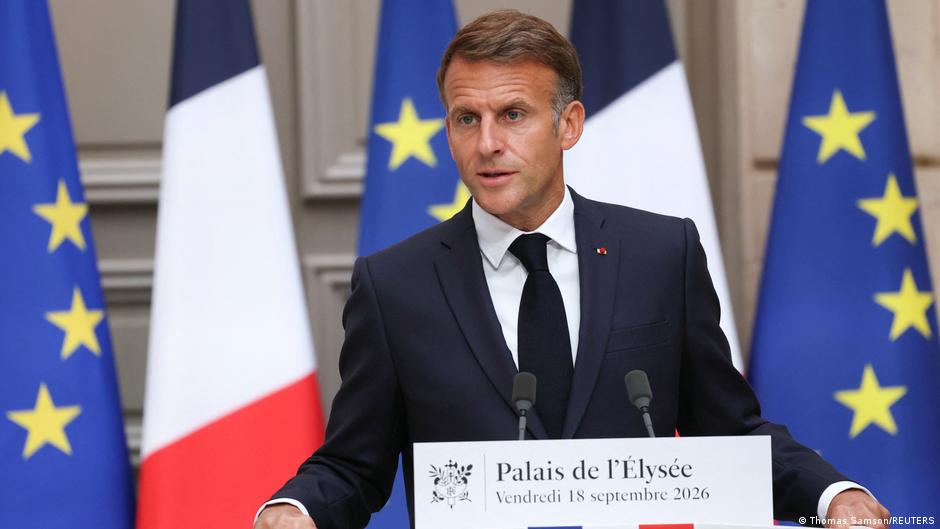
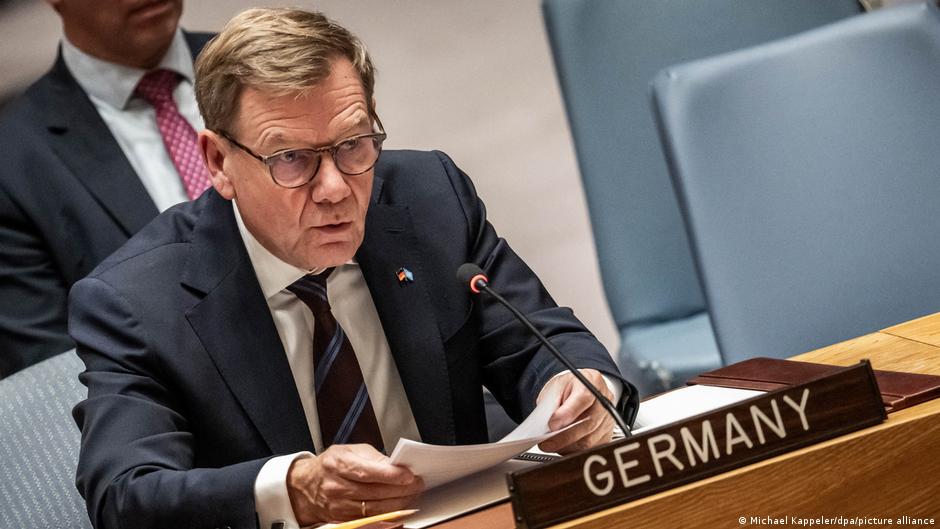
Germany is considering President Steinmeier to represent the EU in potential peace talks with Russia, a move that could influence European markets, currencies, and household finances amid the Ukraine conflict.
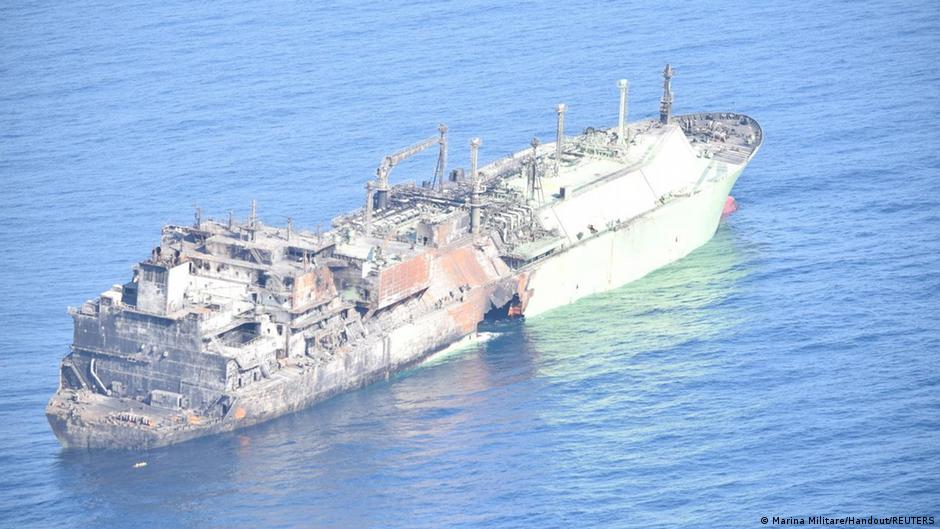
The escape of Poland’s ex-justice minister to the US amid corruption charges highlights risks to currency stability and household financial confidence across Europe.

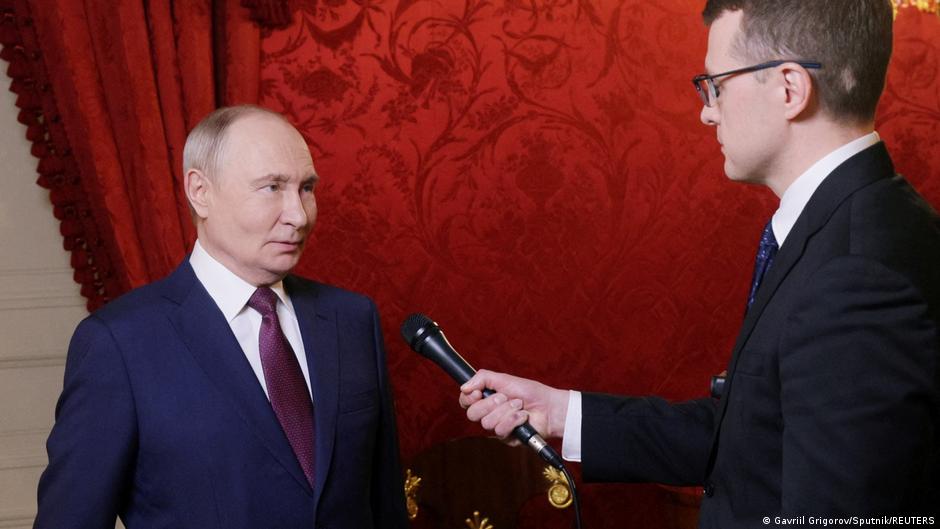
Putin names former German Chancellor Schröder as preferred EU negotiator in Ukraine talks, potentially impacting energy prices, currencies, and household budgets across Europe.

Poland's €44 billion EU loan for defense modernization raises concerns over long-term public debt and impacts on household finances and economic stability.

The potential redeployment of 5,000 US troops from Germany to Poland could influence local economies, household finances, currencies, and investment dynamics in Europe.

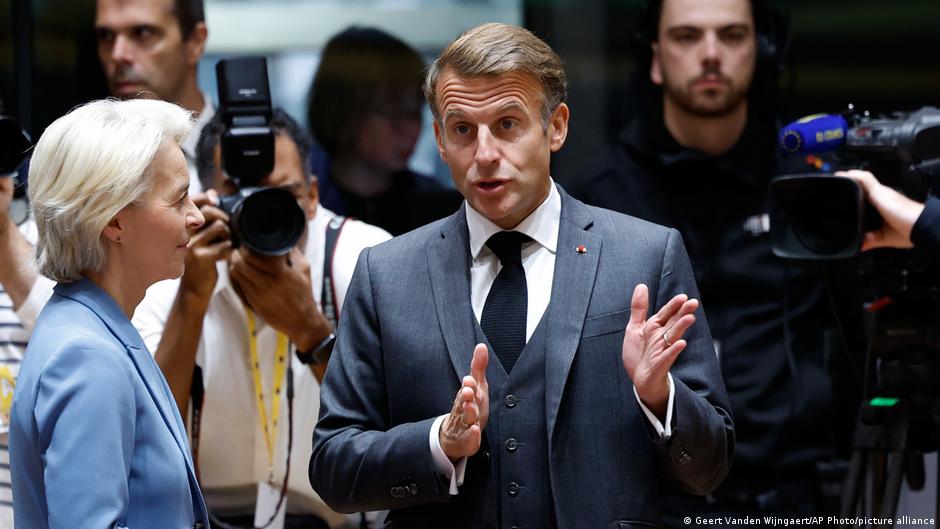
EU leaders prepare for potential talks with Russia, a move that could ease inflation and currency volatility affecting European households and investors.

The US postpones planned 25% tariffs on EU cars until July 4, easing potential price increases for American consumers and providing time for trade negotiations.

Activists protested Russia's participation in the Venice Biennale, highlighting political tensions that coincide with economic sanctions impacting Russian household budgets and savings.

Global oil reserves fell by a record 200 million barrels in April amid Middle East tensions, signaling higher fuel costs and economic pressure on households and investors worldwide.

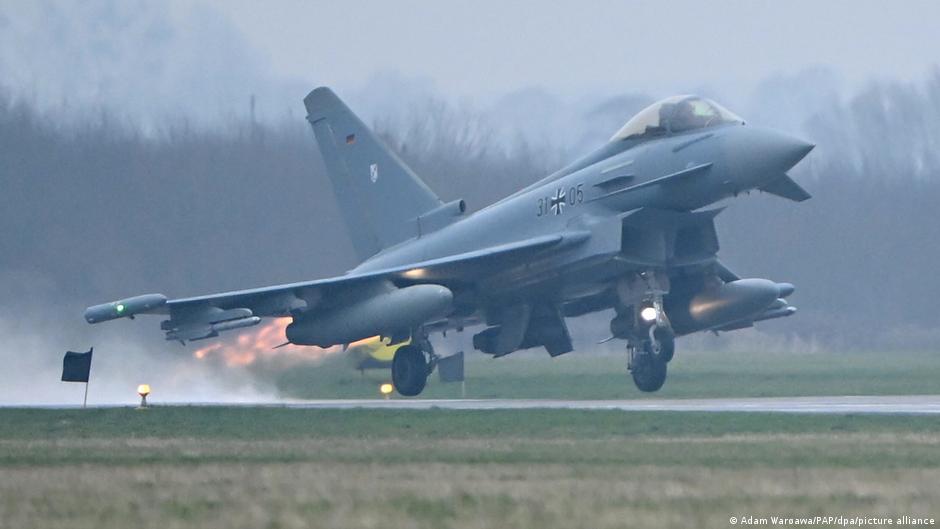
Germany is accelerating its long-range missile development after the US declined Tomahawk deployment, affecting European security, defense budgets, and investors’ outlook.

Germany transfers an 84 MW gas power plant from the Nord Stream pipeline to Ukraine, impacting energy infrastructure and household energy costs amid ongoing conflict.

The UK plans to join the EU's €90 billion loan program for Ukraine, impacting household budgets, currencies, and investment opportunities amid new sanctions on Russia.

The US plans major cuts to its troops in Germany, affecting local economies, currency markets, and potentially household finances and investments.

US plans to raise auto tariffs on EU imports threaten Germany’s economy, potentially triggering a 2026 recession with significant impacts on household budgets and consumer prices.

The US plans to withdraw 5,000 troops from Germany, a move that could impact euro-dollar exchange rates, local economies, and household finances.

US delays in arms shipments to Europe due to Iran conflict strain defense budgets, impacting household finances, currency stability, and investor confidence across allied nations.

The EU-Mercosur free trade agreement starts provisionally, promising cheaper goods but raising concerns over environmental standards and agricultural impacts affecting households and investors.

Hungary’s new government enters talks with the EU to unlock billions in frozen funds, potentially easing household budget pressures and stabilizing the economy.

Viktor Orban refuses parliamentary seat after election loss, paving way for new leadership and policy shifts affecting Hungary’s economy, household budgets, and investor confidence.

Ryanair will close its Berlin base and cut flights by half due to rising German aviation taxes and airport fees, driving up travel costs for consumers and limiting budget travel options.

Turkey is pushing to restart Russia-Ukraine peace talks, a move that could ease inflation and market volatility impacting household budgets and investors globally.

NATO intercepted Russian bombers over the Baltic Sea, escalating regional tensions and potentially impacting household budgets, currencies, and investor confidence.

Lufthansa will cancel 20,000 flights through late 2026 to save fuel amid energy crisis, impacting travel availability and costs for consumers and investors.

Uzbekistan speeds up Asakabank privatization, affecting household savings, investments, and currency stability with asset transfers and financial restructuring.

Poland and France are jointly developing a military satellite to secure Poland’s defense communications, reflecting broader trends in European defense spending and technology investments.

Serbia risks losing €1.5 billion in EU support due to democratic setbacks, potentially affecting household budgets, currency stability, and investment confidence.

Bulgaria’s left-center coalition, led by ex-president Rumen Radev, leads elections amid anti-corruption protests, signaling potential economic shifts affecting households and investors.

Lithuania and Latvia's closure of airspace to Slovak PM's flight to Moscow may raise travel costs and affect household budgets through longer routes and increased expenses.

Flight cancellations and rising jet fuel prices are expected to increase travel costs and impact household budgets and investments across Europe and beyond.

Trump rejects NATO assistance in Strait of Hormuz amid rising tensions, risking higher energy prices and market volatility affecting consumers and investors.

Slovakia will block the EU's 20th sanctions package against Russia until oil supplies resume via the Druzhba pipeline, impacting energy costs and household budgets.

The EU's new biometric border system is causing extensive airport delays, disrupting travel and imposing financial strains on consumers across Europe.