Hungary Seeks EU Funding Unlock as New Government Initiates Negotiations
New Hungarian leadership engages with European Commission to restore billions in frozen EU funds amid policy shifts.
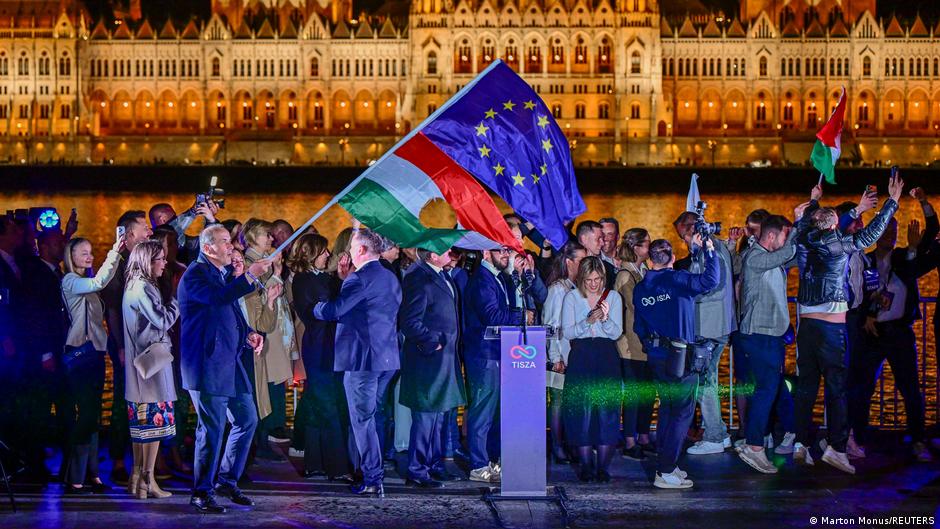
Hungary’s incoming Prime Minister, Péter Magyar, is set to meet with European Commission President Ursula von der Leyen to discuss the unlocking of billions of euros in EU funds previously withheld due to governance and standards concerns under former Prime Minister Viktor Orbán.
Magyar announced on social media that he will travel to Brussels for informal talks aimed at resuming financial support from the European Union, emphasizing the urgency of the matter.
"I will go to Brussels on Wednesday for informal negotiations with the President of the European Commission regarding the unlocking of EU funds. There is no time to waste," Magyar stated.
Impact on Household Budgets and Economies
The suspension of approximately €35 billion in EU funding—covering pandemic recovery aid, regional development subsidies, and defense credits—has had a measurable impact on Hungary’s public finances and economic stability, which trickled down to household budgets and consumer confidence. The frozen funds included about €17 billion earmarked for defense loans, adding further strain on government resources.
With the new government signaling a return to alignment with European democratic standards, the release of these funds could lead to increased public investment in infrastructure and social programs, potentially easing inflationary pressures on consumers and stabilizing the national currency.
For everyday Hungarian investors and savers, the resumption of EU assistance may improve market sentiment and reduce volatility in the Forint by supporting fiscal stability. Additionally, reforms required by the European Commission as conditions for accessing funds—such as judicial and administrative improvements—could enhance business environments and long-term economic growth prospects.
However, the European Commission is reportedly insisting on a series of reforms and improved diplomatic relations, notably with Ukraine, as preconditions for disbursing funds. These requirements mean that the Hungarian government’s ability to meet EU expectations will be closely monitored, potentially affecting the timing and scope of financial inflows.
Ultimately, the negotiations underscore the interconnectedness of political governance and economic welfare at the household level, where frozen EU funds translate into tightened budgets and slower development. The ongoing talks may be pivotal in restoring financial flows that underpin public services, employment, and consumer purchasing power across the country.