US Halts In-Person Iran Negotiations, Citing High Costs and Strategic Advantage
President Trump suspends US envoy travel to Pakistan for Iran talks, emphasizing phone communication and highlighting impacts on diplomatic and economic fronts.
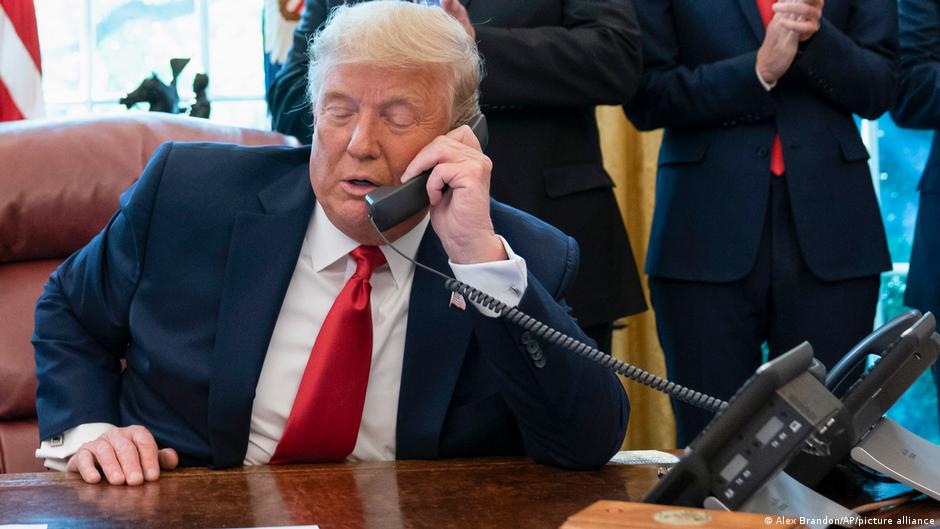
In a recent development affecting ongoing peace efforts in the Middle East, US President Donald Trump announced that American officials will no longer travel to Pakistan to negotiate with Iran over ending conflict. The decision, revealed during a phone interview on Fox News' "The Sunday Briefing," indicates a shift towards remote diplomacy backed by the administration's assertion of a strategic upper hand in the conflict.
Impact on Diplomacy and Economic Implications for Households
President Trump pointed out that the United States already holds "all the cards" in the conflict and that Iran can initiate contact via phone if it wishes to negotiate. "We have good, secure communication lines," he stated, though he acknowledged the inherent limitations of any telephone security. The move away from sending envoys on lengthy 18-hour trips to Pakistan is framed as a practical measure to save time and resources.
"If they want to talk, they can come to us or call us. We are not going to send people on a long trip just to meet," Trump said.
This decision bears significance beyond diplomatic protocols. For American households and investors, it signals potential volatility in currency valuations and markets tied to geopolitical stability. Travel suspensions and tense relations can affect oil prices, supply chains, and ultimately household budgets through fluctuating energy costs and inflation.
Previously scheduled talks by US envoys Steven Witkoff and Jared Kushner in Islamabad were canceled, with Trump criticizing internal discord among Iranian leadership and reaffirming US dominance in the dispute. The US President’s social media statements underscored concerns about wasted time and the lack of clear leadership on the Iranian side.
Meanwhile, Iranian Foreign Minister Abbas Araghchi left Pakistan, emphasizing Iran’s realistic framework for ending hostilities while expressing skepticism about Washington’s diplomatic sincerity. Earlier direct talks between the US and Iran in Pakistan’s capital, following a temporary ceasefire, failed to yield progress. Subsequently, the US imposed a blockade on the Strait of Hormuz, a vital oil passage, escalating tensions further.
For consumers and everyday investors, these geopolitical shifts highlight the importance of monitoring international relations as they can have ripple effects on global energy markets, currency strength, and investment risks. The ongoing pause in hostilities, extended at Iran’s request according to Trump, maintains a fragile calm but underscores uncertainty ahead.
Financial advisors often advise households to maintain diversified portfolios and keep liquidity in mind during such unpredictable geopolitical episodes. Changes in oil prices may directly impact fuel and energy bills, influencing household budgets and inflation rates. Currency fluctuations can also affect imported goods’ prices, influencing everyday consumer costs.
Ultimately, while the US administration favors remote diplomatic engagement to reduce time and cost, the broader economic implications of this new approach will unfold in markets and consumer wallets globally.