Hungary’s Orban Steps Down from Parliament, Signaling Shift in Political and Economic Direction
Outgoing Prime Minister Viktor Orban refuses parliamentary seat as new leadership promises changes impacting Hungary’s fiscal policies and EU relations.
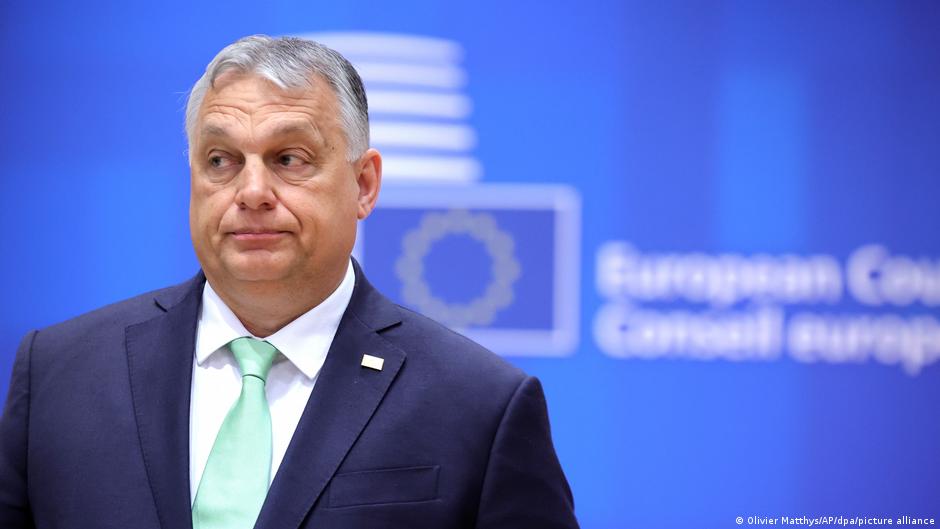
Viktor Orban, the outgoing prime minister of Hungary, has announced he will not take up his parliamentary seat following his party’s defeat in the recent elections. Orban, who led the Fidesz-Christian Democratic People’s Party (KDNP) coalition, stated that his parliamentary mandate belongs to the party faction and that his current focus is on reorganizing the national movement outside of parliament.
Orban’s decision marks a significant turning point for Hungary’s political landscape and has potential implications for household finances, currency stability, and foreign investment sentiment in the country.
Leadership Changes and Economic Outlook
With Orban stepping back from the parliamentary role, Gergely Gulyas, former chief of the prime minister’s office, is set to lead the Fidesz-KDNP faction in parliament. However, Orban intends to remain chairman of the party, a matter set to be discussed at the party’s upcoming congress in June.
The new prime minister, Peter Magyar from the winning opposition party "Tisa," is scheduled to officially take office on May 9. Magyar has pledged to reverse several of Orban’s key policies — including halting Hungary’s withdrawal from the International Criminal Court (ICC), a move Orban initiated after hosting Israeli Prime Minister Benjamin Netanyahu despite an ICC arrest warrant against him.
Magyar’s government has also promised to stop blocking the allocation of a €90 billion EU credit package for Ukraine and the implementation of further sanctions against Russia. This shift comes after Ukraine resumed Russian oil transit to Hungary via the "Druzhba" pipeline, easing Budapest’s concerns about energy supply disruptions.
"The mandate I received as Fidesz’s lead candidate effectively belongs to the party; I am needed now to reorganize the national movement rather than sit in parliament," said Viktor Orban.
Implications for Household Budgets and Investors
Orban’s departure from parliament and the incoming government’s policy adjustments signal potential changes in Hungary’s economic trajectory that could affect everyday consumers and investors.
During Orban’s tenure, Hungary maintained an ambivalent position towards Russia, balancing national interests with EU relations. This position led to some economic uncertainty, particularly related to sanctions and energy imports, both crucial factors for Hungarian households and businesses.
Magyar’s pledge to restore EU funding flow and ease sanctions could stabilize Hungary’s economic outlook, potentially supporting the national currency and preserving purchasing power for households. The resumption of Russian oil transit via the Druzhba pipeline may also help cushion energy prices, a significant component of domestic inflation and consumer expenses.
For everyday investors, the political shift might improve market confidence by signaling a return to more conventional EU-aligned policies. This could encourage foreign investment inflows, enhancing growth prospects and potentially increasing returns on savings and investments denominated in Hungarian forints.
However, uncertainty remains as Orban retains influence as party chairman and former prime minister. The interplay between old and new leadership will be closely watched by financial markets and consumers alike.
Looking Ahead
Hungary’s political transition reflects broader regional dynamics concerning relations with Russia and the European Union. For Hungarian households, the evolving policies around EU funding, energy imports, and foreign relations will be critical in shaping disposable income levels, inflation trends, and investment opportunities.
As the new government prepares to implement its agenda, consumers and investors should monitor policy developments closely to adjust financial plans accordingly.