Ryanair to Close Berlin Base, Halve Flights Amid Rising German Aviation Costs
Budget airline Ryanair cuts Berlin operations due to soaring airport fees and aviation taxes, impacting travelers and household travel budgets.
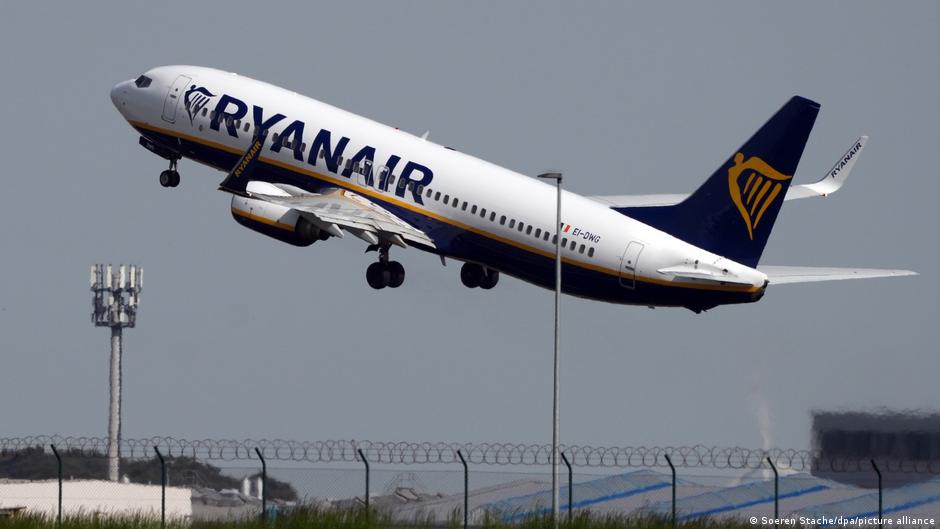
Irish budget airline Ryanair announced it will close its base at Berlin Brandenburg Airport by October 2026, withdrawing all seven aircraft stationed there and reducing flights to the German capital by 50%. This move will slash the annual passenger volume served by Ryanair from 4.5 million to approximately 2.2 million travelers.
The decision follows a recent announcement by Berlin Brandenburg Airport to increase airport charges by 10% between 2027 and 2029. Ryanair highlighted that airport fees in Berlin have already surged by 50% since the Covid-19 pandemic, despite a 30% decline in passenger numbers from 36 million in 2019 to 26 million projected in 2025.
Impact on Consumers and Travel Budgets
For everyday travelers and households budgeting for trips, these developments signal higher travel costs and reduced flight options in one of Europe’s key hubs for budget travel. Ryanair's relocation of aircraft to airports in countries like Sweden, Slovakia, Albania, and Italy—where aviation taxes have been repealed—reflects the airline's effort to maintain low operating costs and competitive ticket prices.
However, German consumers may face fewer affordable flights, limiting options for cost-conscious travelers and potentially affecting savings earmarked for vacations. This situation also emphasizes how rising government-imposed aviation taxes and airport fees can directly influence consumer expenses and the accessibility of low-cost travel.
“German aviation is in crisis,” stated Ryanair CEO Eddie Wilson, criticizing the lack of governmental strategy to reduce aviation taxes and high airport fees, which he says have made the market uncompetitive.
Specifically, Ryanair noted that since 2019, the German aviation tax has more than doubled from €7.30 to €15.50 per passenger. Security fees are set to double from €10 in 2024 to €20 by 2028, while air traffic control charges have increased from €1 to €3.30 per passenger. These additional costs ultimately get passed on to customers, raising the price of budget air travel in Germany.
Berlin Brandenburg Airport has disputed Ryanair’s claims about the fee hikes, labeling the airline’s decision unexpected and confirming ongoing negotiations between the parties.
The airline plans to consult its Berlin staff soon, assuring that flight crew members will be offered positions at other Ryanair bases across Europe as the company shifts its focus to expanding passenger volumes in lower-cost regions.
Ryanair has already closed bases in Frankfurt, Düsseldorf, and Stuttgart and canceled flights to Dresden, Leipzig, and Dortmund since 2019, indicating a broader trend tied to rising operational costs in Germany.
Broader Implications for Currency and Investment
As German aviation costs rise, the ripple effects extend to currency concerns and investment decisions. Travelers facing higher ticket prices may adjust their spending habits, potentially reducing discretionary expenditures elsewhere in the economy. For everyday investors, airlines exiting or reducing presence in key hubs could influence stock performance, especially for companies exposed to German aviation or European travel sectors.
Moreover, the shift of aircraft and operations to other EU countries with more favorable tax regimes may bolster those local economies but challenge Germany's competitiveness in the budget travel market.
Consumers should monitor these changes as they plan future travel budgets, considering how evolving aviation policies and fees may impact overall costs and convenience.