Potential Putin Attendance at G20 Summit Raises Questions for Global Economic Stability
Trump calls Putin’s possible G20 visit “useful,” but uncertainty looms over Russia’s participation amid geopolitical tensions.
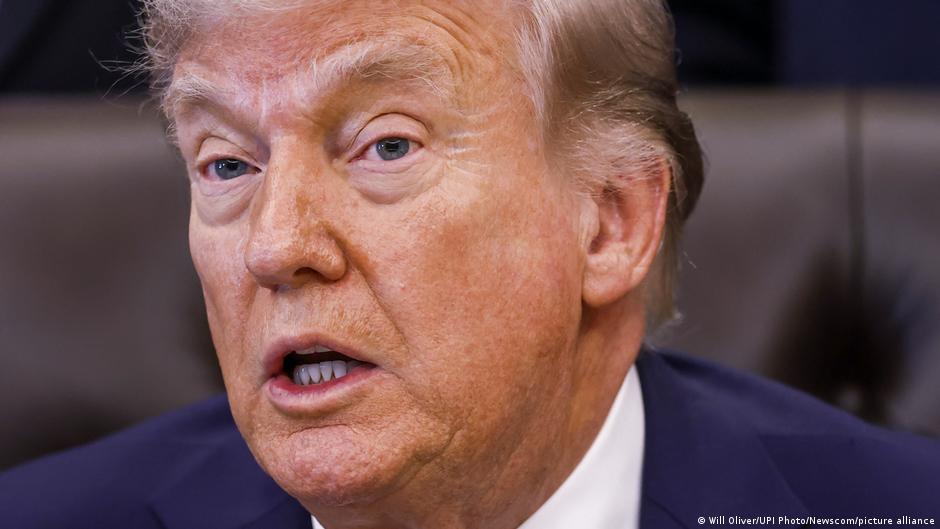
The prospect of Russian President Vladimir Putin attending the G20 summit scheduled for December 2026 in Miami has sparked discussion about the implications for global economic dynamics and household finances worldwide. U.S. President Donald Trump described Putin’s possible participation as “useful,” yet expressed uncertainty regarding any formal invitation or Putin’s intent to attend.
Geopolitical Uncertainty and Its Economic Ripple Effects
Trump’s remarks come amid ongoing tensions stemming from Russia's 2022 invasion of Ukraine, which led to widespread sanctions and international isolation of Russia. The U.S. administration’s openness to engaging Russia at the G20 signals a potential shift toward diplomatic dialogue, but the concrete impact on markets and individual finances remains uncertain.
"It would be useful if Putin attends," Trump said, highlighting the potential benefits of direct communication among world leaders.
Analysts warn that Russia's reintroduction into high-level economic discussions could influence global energy prices, currency stability, and trade relationships. For households across different countries, shifts in energy costs and currency valuations directly affect monthly budgets and savings. For instance, any easing of sanctions might stabilize energy supplies, potentially lowering fuel and heating costs that burden many families.
Conversely, uncertainty around Russia’s participation could sustain market volatility. Currency fluctuations, especially in emerging markets, might challenge everyday investors who hold diversified portfolios including foreign assets. Financial planners advise cautious monitoring of geopolitical developments to adjust investment strategies accordingly.
Investor and Consumer Outlook Amid G20 Diplomacy
Russia’s possible attendance at the Miami summit could also impact commodity markets, given its role as a major energy and raw materials supplier. Consumers might experience indirect effects through changes in prices for goods and services tied to these sectors. Household budgeting may require adjustments if price volatility persists.
Moreover, the diplomatic approach embodied by the U.S. inviting leaders from Central Asian countries like Uzbekistan and Kazakhstan alongside Russia indicates a broader strategy to engage emerging economies. This could open new trade opportunities but also introduce competitive pressures for domestic industries, influencing employment and spending power.
Overall, while diplomatic maneuvers at summits like the G20 operate on the macroeconomic and geopolitical level, their consequences permeate daily financial realities. Households and individual investors should stay informed about these developments to navigate potential impacts on savings, expenditures, and investment portfolios.