Lebanon-Israel Ceasefire Extension Could Impact Regional Economies and Household Budgets
The recent three-week extension of the Lebanon-Israel ceasefire raises questions about the economic ripple effects on currencies, savings, and consumer stability in the region.
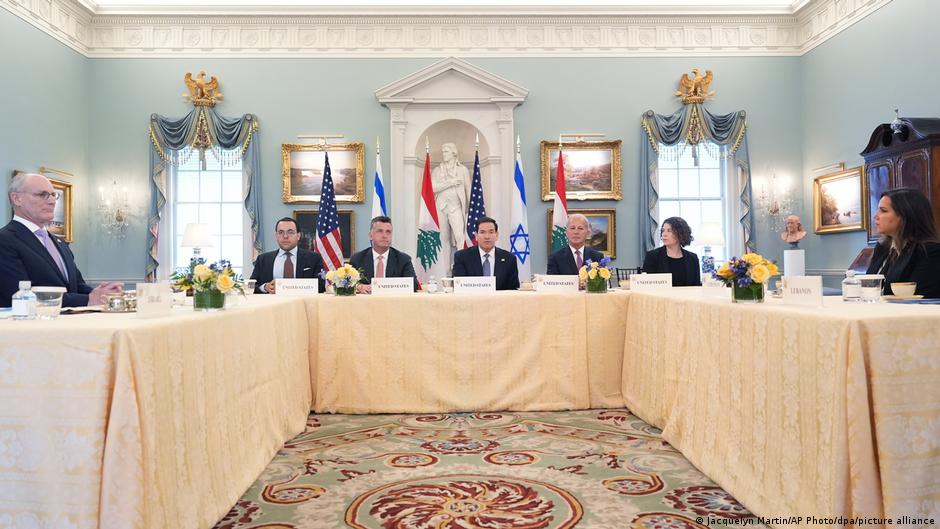
The announcement of a three-week extension to the ceasefire between Israel and Lebanon, confirmed by former U.S. President Donald Trump, holds significant implications beyond the immediate political and security landscape. For everyday consumers, investors, and households in the region and beyond, such developments could influence financial stability, currency valuations, and economic confidence.
Ceasefire Extension and Its Economic Context
On April 23, Donald Trump announced via social media that Israel and Lebanon agreed to prolong their ceasefire for an additional three weeks. This decision followed a series of high-level diplomatic meetings involving U.S. officials, including Vice President J.D. Vance, Secretary of State Marco Rubio, and the U.S. ambassadors to Israel and Lebanon.
These talks are part of a broader effort to stabilize the region by addressing the ongoing tensions related to the Hezbollah militant group, an Iran-backed faction whose activity has historically disrupted regional trade and deterred foreign investment. The U.S. has expressed its commitment to support Lebanon in defending itself against Hezbollah, indicating a broader geopolitical interest in sustained peace.
"The meeting was very successful! The United States will cooperate with Lebanon to help it protect itself from Hezbollah," Trump stated.
For households and consumers in Lebanon and Israel, prolonged ceasefires can translate into reduced military expenditures, lower risk premiums, and improved confidence in the local economies. This environment potentially stabilizes local currencies, which have faced volatility due to conflict-induced uncertainty.
Impact on Household Budgets and Savings
Conflict and political instability tend to inflate prices for essential goods and services, placing additional strain on household budgets. The extension of the ceasefire may lead to a temporary easing of inflationary pressures by reducing the costs associated with security and damage to infrastructure. Additionally, a more stable political climate encourages consumer spending and investment, which in turn can support job creation and income stability.
However, the fragile nature of peace means that many households remain cautious, often prioritizing savings to buffer against potential renewed conflict or economic shocks. This conservative financial behavior can slow economic recovery but also reflects prudent risk management by consumers.
Currency and Investment Considerations
Lebanese and Israeli currencies are sensitive to geopolitical developments. In Lebanon, the Lebanese pound has experienced severe depreciation amidst prolonged economic crises and instability. Any progress towards peace, including ceasefire extensions, may contribute to currency stabilization by boosting investor confidence and reducing capital flight.
For everyday investors, the situation underscores the importance of monitoring political developments closely. Ceasefire agreements and diplomatic breakthroughs can signal opportunities for investment in regional markets, especially in sectors such as banking, real estate, and tourism that benefit directly from stability.
The planned direct negotiations initiated by Israeli Prime Minister Benjamin Netanyahu targeting disarmament of Hezbollah and normalization of relations with Lebanon suggest a long-term vision for economic cooperation. If successful, such outcomes could unlock new trade routes, energy projects, and financial partnerships, all of which would positively affect household wealth and consumer options.
In summary, while the three-week extension of the Lebanon-Israel ceasefire is modest in duration, its economic ramifications are far-reaching. By fostering a calmer security climate, it may help stabilize currencies, protect household finances from inflation shocks, and encourage cautious investment activity, thereby supporting gradual economic recovery in a historically volatile region.