White House Says U.S. Envoys Discussed Ukraine Peace Plans With Putin

U.S. envoys discussed Ukraine peace plans with Putin before Kyiv talks, a development that could affect household costs, currencies and investors.

U.S. envoys discussed Ukraine peace plans with Putin before Kyiv talks, a development that could affect household costs, currencies and investors.

The US-declared Hamas disarmament deal signals potential easing of Middle East tensions, likely impacting global currencies, commodity prices, and investment markets.

US-Iran conflict intensifies with nine nights of US strikes and Iranian retaliation, disrupting energy flows through the Strait of Hormuz and impacting global fuel prices.

June 2026 saw the highest civilian casualties in Ukraine since the Russian invasion, intensifying financial pressures on families and everyday investors amid ongoing conflict.

US strikes on Iran and renewed sanctions risk disrupting global oil supplies, pushing energy costs higher and impacting household budgets and investors worldwide.

German and US foreign ministers emphasize their partnership's role in stabilizing the global economy amid crises affecting household finances and investor confidence.

A temporary US-Iran ceasefire may lead to the reopening of the Strait of Hormuz, potentially lowering oil prices and easing fuel costs affecting households worldwide.

US strikes on Iranian military targets follow drone attacks on oil tankers near the Strait of Hormuz, risking higher energy prices and economic uncertainty for consumers worldwide.

U.S.-Iran military clashes after a drone strike on a cargo ship in the Strait of Hormuz drive up global oil prices, impacting household budgets and everyday investors.

The US Senate voted to end military actions against Iran, signaling shifts that may ease economic pressures on households and investors amid ongoing peace talks.

US and Iran agree on a communication channel to prevent incidents in the Strait of Hormuz, aiming to stabilize global oil supply and ease household energy costs.

The US may charge fees for passage through the Strait of Hormuz if Iran deal fails, risking higher oil prices and impacting household budgets and currency markets worldwide.

US intelligence warns Israel may disrupt the US-Iran agreement, with implications for regional stability, household budgets, currencies, and investors.

The delay in US-Iran nuclear talks increases market volatility, impacting household budgets, savings, and investor confidence worldwide.

The US has ended its blockade of the Strait of Hormuz, allowing increased oil shipments that could stabilize fuel prices and ease household budget pressures worldwide.

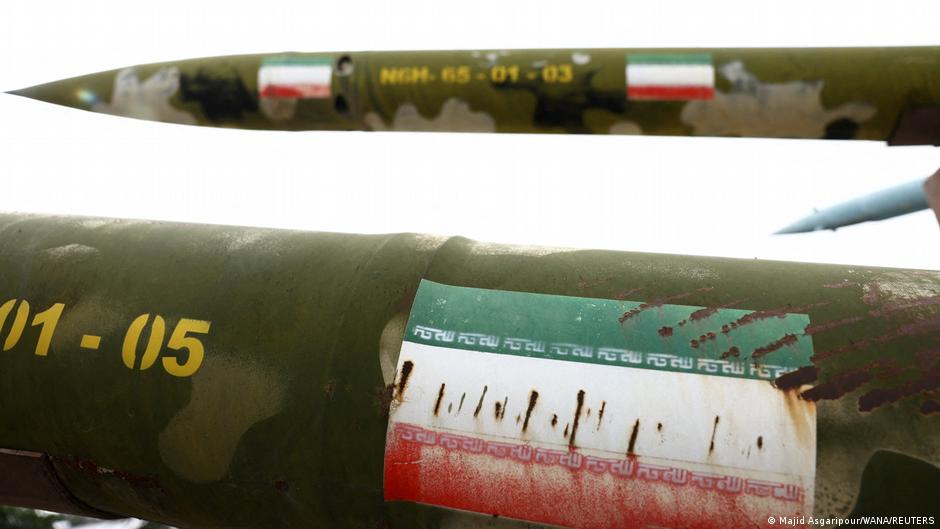
Iran has rebuilt most of its missile arsenal, possibly with Russian help, impacting global energy routes and driving up fuel costs affecting household budgets and investors worldwide.

Repeated drone strikes over Kyiv disrupt daily life and threaten household finances, with impacts on incomes, savings, and currency stability amid ongoing conflict.

A US-mediated ceasefire between Israel and Lebanon aims to reduce conflict-driven economic strain on households, currencies, and investors in the region.

Escalating conflict in the Middle East threatens currency stability and market confidence, affecting household budgets and everyday investors worldwide.

US military strikes on Iran escalate geopolitical tensions, risking volatility in markets and currencies that affect household budgets, savings, and consumer costs globally.

The US Senate advances a resolution to restrict military actions against Iran, with significant impacts on household budgets, currency markets, and consumer investments.

US postpones planned strike on Iran after Gulf leaders’ intervention, easing pressure on global energy prices and currencies, with implications for household budgets and investors.

Germany is considering President Steinmeier to represent the EU in potential peace talks with Russia, a move that could influence European markets, currencies, and household finances amid the Ukraine conflict.

The brief ceasefire between Russia and Ukraine involves troop rotations and ongoing skirmishes, impacting regional economies, currency stability, and household financial security.

Despite a proposed ceasefire, Russian attacks continue across Ukraine, intensifying economic uncertainty that affects household budgets, savings, and currency stability.

Iran’s missile and drone strikes on the UAE escalate regional tensions, threatening global energy supplies and raising costs that impact household budgets and investors.

Italy and Germany express concern as Israel halts Gaza aid flotilla, highlighting potential impacts on household budgets, currency markets, and consumer costs worldwide.

Israel's naval blockade halts humanitarian aid to Gaza, deepening economic pressures on household budgets, currency stability, and consumer markets in the region.

US halts envoy travel to Pakistan for Iran talks, shifting to phone diplomacy amid strategic confidence, impacting energy markets and household budgets.

The extension of the Lebanon-Israel ceasefire could help stabilize regional currencies and ease financial pressures on households, affecting consumer confidence and investments.

US seizure of Iranian cargo ship near Strait of Hormuz raises risks of rising energy prices and inflation, impacting household budgets and everyday investors worldwide.

Trump rejects NATO assistance in Strait of Hormuz amid rising tensions, risking higher energy prices and market volatility affecting consumers and investors.

Germany has approved arms exports to Israel amid conflict, impacting currency stability, consumer prices, and investor portfolios across global markets.