US-Mediated Israel-Lebanon Ceasefire Aims to Stabilize Regional Security and Economic Impact
An agreement to halt hostilities between Israel and Lebanon may ease financial strain on households, currency markets, and investors in the region.
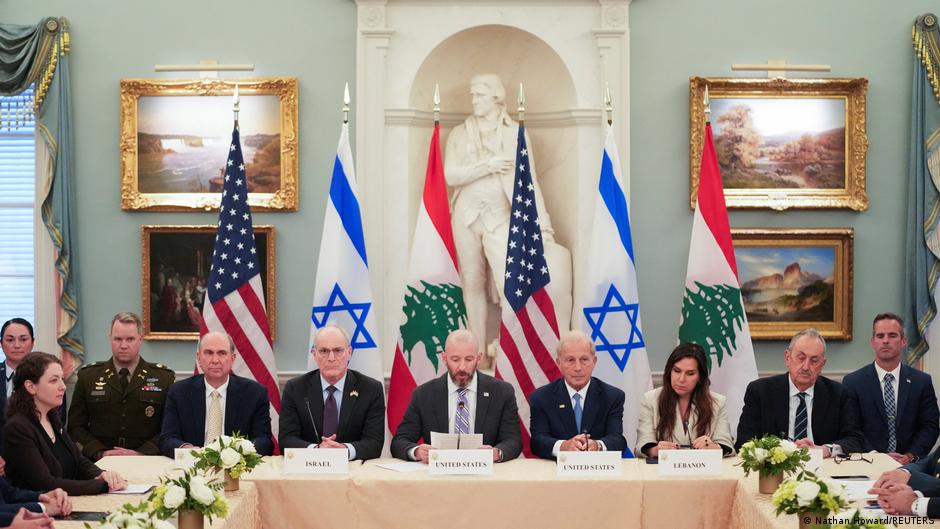
The United States Department of State announced a ceasefire agreement between Israel and Lebanon, brokered through American mediation. This development promises to alleviate immediate economic pressures on households and markets affected by the ongoing conflict.
Ceasefire Details and Economic Implications
The ceasefire requires a complete halt of fire by Hezbollah militants and the withdrawal of their forces from the region south of the Litani River. This measure also includes establishing pilot zones controlled solely by the Lebanese army to maintain stability. The agreement follows intensive two-day negotiations held in Washington involving both Israeli and Lebanese representatives.
Violence between the two countries intensified after the outbreak of the US-Israel conflict with Iran, which led to renewed rocket attacks by Hezbollah on Israeli territory and retaliatory airstrikes by Israel on Lebanon’s capital Beirut and southern regions. This escalation has severely impacted civilian life and infrastructure, leading to casualties and displacement that disrupt household economic stability and increase consumer anxiety.
"The ceasefire agreement is a crucial step toward restoring peace and restoring confidence in the region’s economic future," said an analyst familiar with the negotiations.
For ordinary households and everyday investors, the conflict caused currency volatility and raised uncertainty in financial markets. Lebanon’s economy, already fragile, has suffered further setbacks due to damage to infrastructure and disruptions in trade and remittances, which support many families. Israeli households similarly faced economic strain from increased defense spending and disruptions in border regions.
With the ceasefire in place and plans for continued direct negotiations starting the week of June 22, hopes are high for a comprehensive peace agreement that could stabilize market conditions, support currency values, and reduce inflationary pressures on consumer goods.
Background and Broader Economic Context
The hostilities escalated significantly after the death of Iran’s Supreme Leader Ayatollah Ali Khamenei, which triggered Hezbollah’s rocket attacks. Israel’s response included intense aerial and ground operations aiming to create a buffer zone along its border with Lebanon. Casualty figures are high, with thousands reported dead, including civilians, exacerbating humanitarian and economic crises.
Earlier attempts at peace included the first direct talks between Israeli and Lebanese ambassadors since 1993 and a temporary ceasefire announced by then US President Donald Trump in April. However, intermittent fighting resumed, causing further economic disruption.
From a personal finance perspective, the ceasefire could mean relief for consumers facing price hikes in food, fuel, and essential goods, as well as for investors wary of regional instability. Currency markets that have been volatile due to geopolitical risks may experience stabilization, impacting remittance flows and savings.
While uncertainty remains, the US-led diplomatic efforts underscore the critical link between geopolitical stability and economic wellbeing for households and markets across the Middle East.