US Senate Votes to End War Against Iran Amid Ongoing Diplomatic Talks
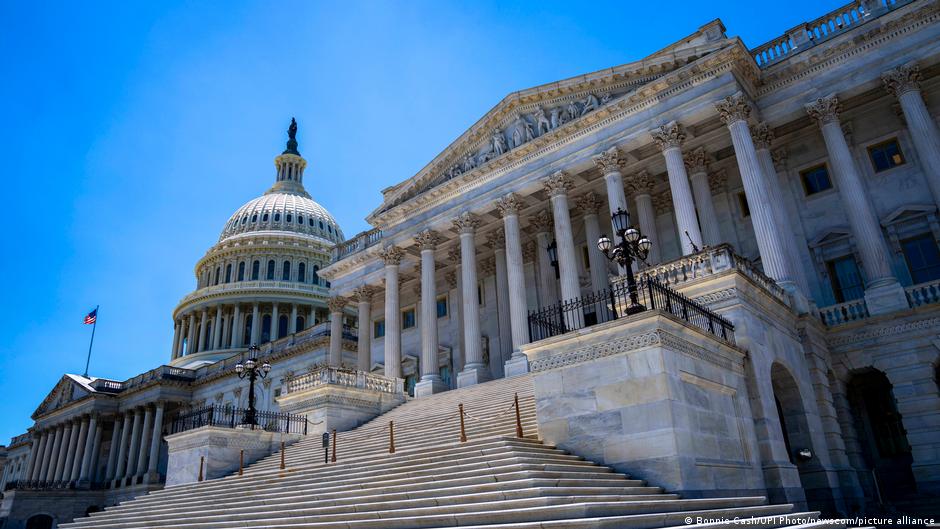
The US Senate voted to end military actions against Iran, signaling shifts that may ease economic pressures on households and investors amid ongoing peace talks.

The US Senate voted to end military actions against Iran, signaling shifts that may ease economic pressures on households and investors amid ongoing peace talks.

US and Iran agree on a communication channel to prevent incidents in the Strait of Hormuz, aiming to stabilize global oil supply and ease household energy costs.

The US may charge fees for passage through the Strait of Hormuz if Iran deal fails, risking higher oil prices and impacting household budgets and currency markets worldwide.

US intelligence warns Israel may disrupt the US-Iran agreement, with implications for regional stability, household budgets, currencies, and investors.

The delay in US-Iran nuclear talks increases market volatility, impacting household budgets, savings, and investor confidence worldwide.

US-Iran drone strikes near the Strait of Hormuz threaten energy supply routes, potentially driving up global oil prices and impacting household budgets worldwide.

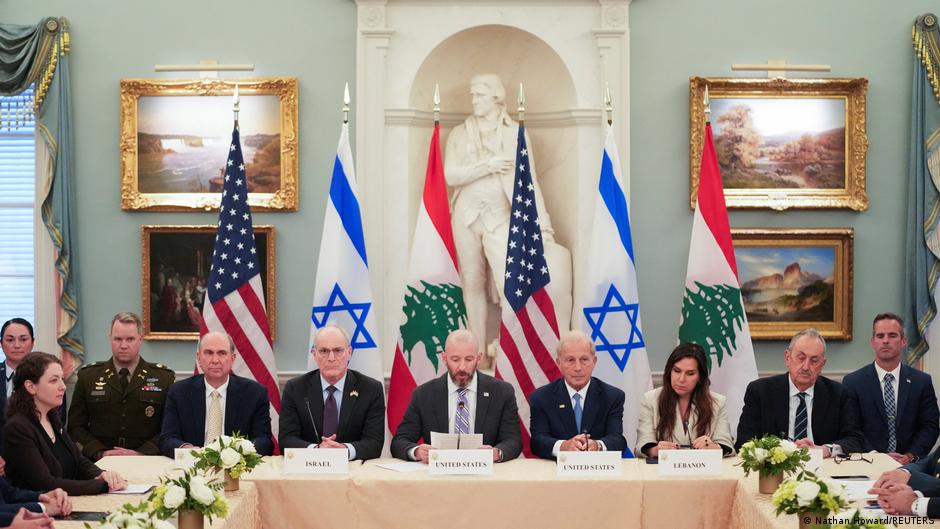
A US-mediated ceasefire between Israel and Lebanon aims to reduce conflict-driven economic strain on households, currencies, and investors in the region.

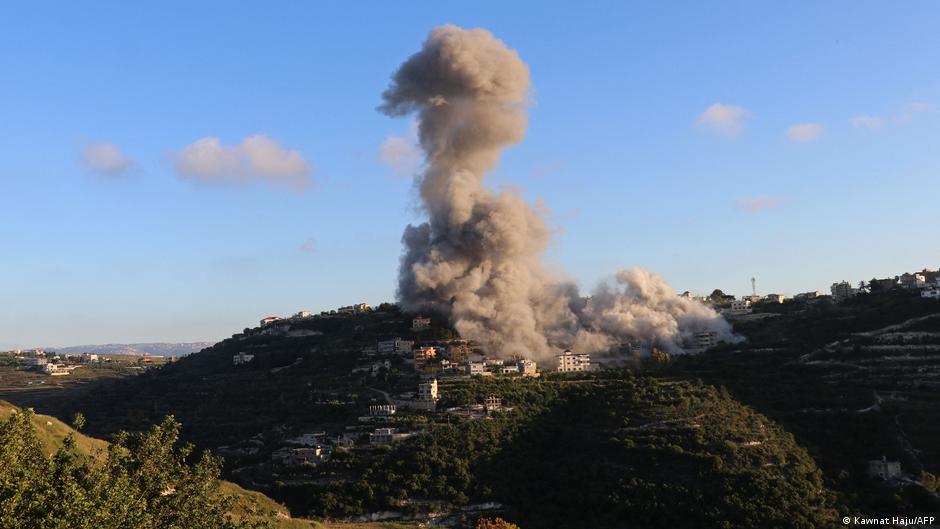
Escalating conflict in the Middle East threatens currency stability and market confidence, affecting household budgets and everyday investors worldwide.

The extension of the Lebanon-Israel ceasefire could help stabilize regional currencies and ease financial pressures on households, affecting consumer confidence and investments.

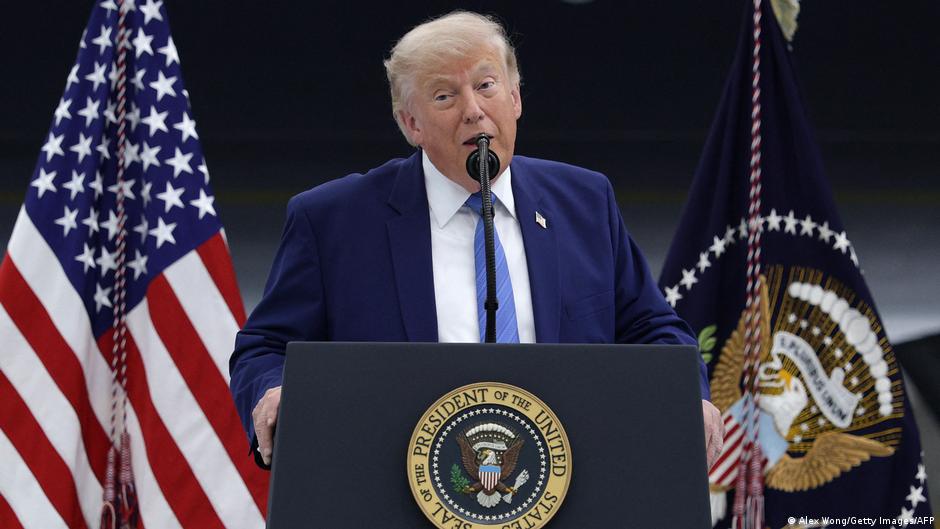
Trump rejects NATO assistance in Strait of Hormuz amid rising tensions, risking higher energy prices and market volatility affecting consumers and investors.