EU Adds €710 Million in Aid as Crises Put Pressure on Household Finances
The new funding targets migration, conflict relief, health emergencies and winter support, with Ukraine, Africa and the Middle East among priorities.
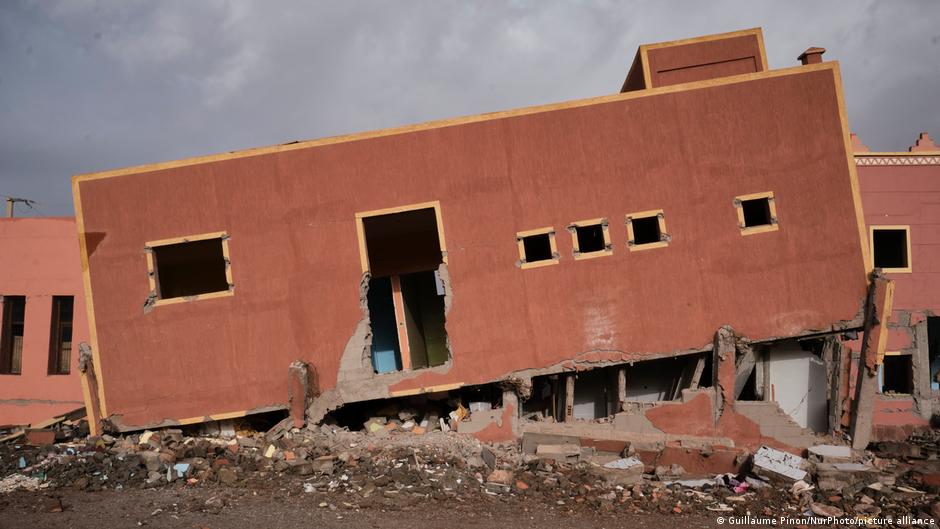
The European Union will allocate an additional €710 million in humanitarian assistance for people affected by conflicts, natural disasters and other crises around the world, European Commission President Ursula von der Leyen said on Saturday, September 26.
The announcement, delivered in a video address to participants of the Global Citizen Festival in New York before the event was later canceled because of bad weather, carries a direct budget message for households and taxpayers across Europe: humanitarian crises remain a recurring public spending priority, even as families continue to manage inflation, higher living costs and uncertain savings returns.
For ordinary Europeans, the package is not a household subsidy or a consumer tax change. But it is part of the broader fiscal landscape that shapes government priorities, EU budget debates and, indirectly, the way public money is deployed at a time when many voters are focused on wages, energy bills, rents, food prices and currency stability.
Where the money will go
Von der Leyen said special attention would be given to Africa, as well as to forcibly displaced people and the communities hosting them. Around €380 million will be directed to migration-related measures in African countries south of the Sahara. That includes support for the most vulnerable groups of migrants, as well as assistance for returns to countries of origin and reintegration.
A further €252 million will go toward emergency assistance linked to active armed conflicts, forced displacement, epidemics and natural disasters. Within that amount, €97 million is earmarked for countries in sub-Saharan Africa, €103 million for the Palestinian territories and Lebanon, and €52 million for Ukraine, including preparations for winter.
Smaller sums are also planned for the African Great Lakes region and for efforts to address an Ebola outbreak in the eastern Democratic Republic of Congo.
“Special attention will be paid to Africa, as well as to forcibly displaced people and the communities hosting them,” von der Leyen said, according to the announcement.
For households watching public budgets closely, the numbers matter because EU humanitarian spending sits alongside other major fiscal commitments, including defense, energy security, migration management and reconstruction support. The new €710 million package comes on top of a wider 2026 humanitarian aid budget that the EU has set at about €1.9 billion worldwide.
Ukraine, winter costs and family-level support
Ukraine remains a significant destination for EU humanitarian funding. In 2026, the EU initially set aside €145 million in humanitarian assistance for Ukraine. In recent months, however, the volume of humanitarian aid for Ukraine and Moldova was increased to €248 million.
The new package includes €52 million for Ukraine, with part of the money directed toward winter preparations. The assistance is intended for food purchases, medical care, housing reconstruction, cash payments and winter readiness. Since the start of Russia’s full-scale war against Ukraine, the European Commission has allocated more than €1.4 billion to humanitarian aid programs for Ukraine.
Those categories show how humanitarian aid can affect household finances at the recipient level. Cash transfers, food assistance and housing repair support are meant to reduce immediate out-of-pocket pressure for families facing displacement, damaged homes, medical needs or rising heating costs. Winter preparedness funding is especially relevant because cold weather can turn energy access, insulation, repairs and basic shelter into urgent household budget issues.
For European taxpayers and investors, Ukraine-related aid also remains tied to wider economic questions: the cost of the war, pressure on national budgets, energy market risk and the stability of currencies in the region. The source announcement does not specify new tax measures or direct market effects, but humanitarian allocations are part of a larger pattern of EU spending prompted by war and displacement.
Why consumers and investors should pay attention
Humanitarian aid is often framed as foreign policy, but it also belongs in the personal finance conversation. Government spending priorities can influence political debates over taxation, borrowing, national contributions to EU programs and competing demands for domestic support. For savers and everyday investors, the key issue is not the aid package alone, but what it signals about the persistence of global risks.
Conflict, migration, epidemics and natural disasters can affect commodity prices, energy supply chains, insurance costs, food security and currency sentiment. Aid directed to the Middle East, North Africa, sub-Saharan Africa and Ukraine reflects the EU’s assessment that these pressures remain active. In the 2026 humanitarian budget, the largest spending categories are €557 million for sub-Saharan Africa and €463 million for the Middle East and North Africa, according to European Commission data cited in the source material.
That distribution matters because regions under humanitarian stress can also be regions where economic disruption spills outward. Food shortages, medical emergencies, displacement and damaged infrastructure can intensify migration pressures and political instability. For European households, those dynamics can feed into debates over border management, public services, foreign aid, energy costs and defense spending.
The €380 million focused on migration-related measures in sub-Saharan Africa is particularly relevant to the consumer angle. While the money is directed abroad, migration policy has become a domestic budget issue in many European countries, affecting spending on reception systems, housing, local services and integration. Funding returns and reintegration abroad is one way the EU is attempting to manage those pressures before they become larger costs closer to home.
The package does not change the immediate math for a family paying rent, filling a grocery basket or managing a savings account. But it highlights the fiscal trade-offs governments face in an unstable global environment. Households may not see a line item marked humanitarian aid on their monthly budgets, yet public spending choices ultimately shape the economic background in which taxes, social programs, currencies and investment confidence are negotiated.
For everyday investors, the lesson is one of context rather than direct trading signals. The EU’s expanded aid commitment points to continuing geopolitical and humanitarian risks in 2026. Those risks can influence markets indirectly through energy prices, defense expectations, sovereign budgets and currency moves, even when a single aid announcement does not by itself move portfolios.
In practical terms, consumers and savers should read the announcement as another sign that public budgets are operating under multiple pressures at once: domestic cost-of-living needs, war-related assistance, migration management, health emergencies and disaster response. The EU’s decision to add €710 million in humanitarian support shows that these crises remain financially material, not only for governments, but for the households whose taxes, services, savings and investments sit inside the same economic system.