US Intelligence Warns Israel May Disrupt US-Iran Deal Amid Regional Security Concerns
Potential Israeli actions to undermine US-Iran agreement could impact regional stability and have financial implications for households and investors.
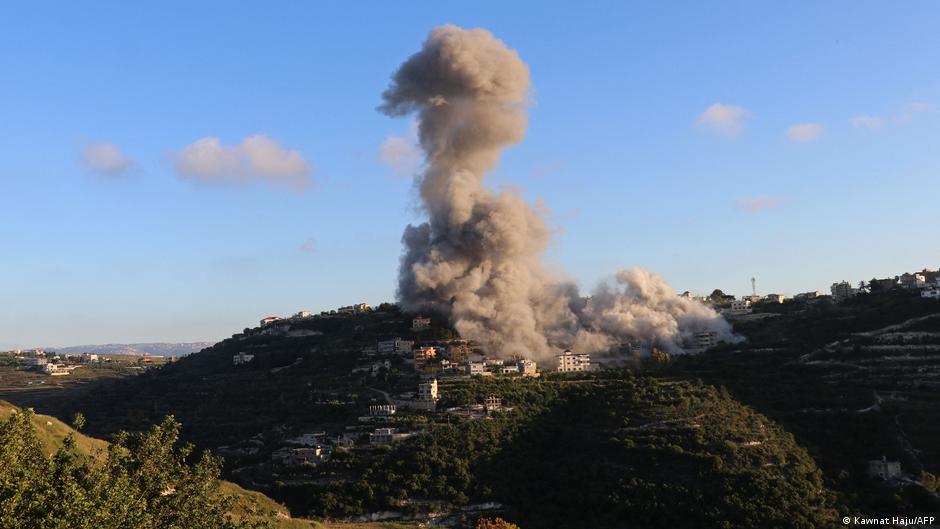
US intelligence agencies have alerted the Trump administration that Israeli Prime Minister Benjamin Netanyahu might attempt to derail the long-term deal recently reached between Washington and Tehran. The warning stems from Israel's dissatisfaction with the terms of the agreement, which it perceives as weakening its security posture, especially concerning Hezbollah in Lebanon.
Implications for Household Budgets and Investors
The intelligence report highlights Israel's intent to continue military operations against the Iranian-backed Lebanese Shia militant group Hezbollah, despite the deal's emphasis on ceasefire and regional de-escalation. Netanyahu’s stance aligns with the sentiment of the majority of Israeli citizens, with a recent national security poll revealing that 70% of Israeli Jews support intensified efforts against Hezbollah.
"For Netanyahu, maintaining a hardline stance is crucial not only from a security perspective but also politically, as he prepares for parliamentary elections in late 2026," the report notes. These dynamics carry broader economic consequences across the region and beyond.
For households in Israel and neighboring countries, ongoing military tensions could translate into increased defense spending and heightened economic uncertainty. This environment affects consumer confidence and household budgets, potentially leading to inflationary pressures on essential goods and services.
Moreover, currency markets are sensitive to geopolitical risks. The Israeli shekel and regional currencies may experience volatility, impacting savings and purchasing power for everyday consumers and investors alike. For international investors and funds with exposure to Middle Eastern markets, persistent instability could influence portfolio valuations and risk assessments.
On the other side, the US-Iran memorandum of understanding, signed on June 17, aims to halt the war initiated by the US and Israel against Iran since February 28 and sets a 60-day negotiation window to finalize a peace agreement. However, the ceasefire terms, including Israeli Defense Forces (IDF) withdrawal from southern Lebanon, are contentious. Reuters reports a ceasefire agreement was reached on June 19 between Israel and Hezbollah, but Israeli sources indicate that the IDF plans to maintain a presence in southern Lebanon.
"Despite a formal ceasefire, military operations and political maneuvering continue, reflecting deep-seated mistrust that hinders regional peace and economic stability," analysts say.
The delay of the scheduled June 19 US-Iran talks in Switzerland further complicates the situation, with Iran demanding visible compliance with the memorandum's terms before advancing negotiations. US President Donald Trump responded assertively on social media, rejecting Iranian overtures and emphasizing a firm stance on sanctions and financial restrictions.
For consumers and investors, these geopolitical developments underscore the interconnectedness of international diplomacy and everyday financial realities. Increased regional tensions can lead to commodity price fluctuations, especially in energy markets, affecting household energy bills and transportation costs worldwide.
In conclusion, Netanyahu’s potential moves to undermine the US-Iran deal reflect broader security concerns that extend beyond politics into economic stability for households and investors. Monitoring these developments is essential for understanding potential impacts on currencies, inflation, and investment climates globally.