Russian Warship 'Admiral Levchenko' Moves Near Germany, Raising Concerns for Baltic Shipping
The redeployment of a major Russian naval vessel near German waters may affect maritime security and indirectly impact European energy and trade routes.
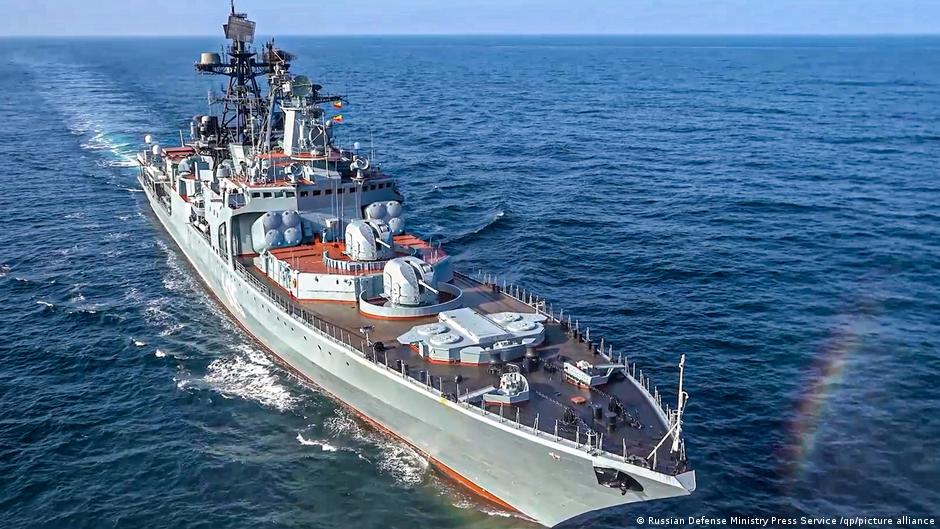
The Russian Navy has redeployed the anti-submarine warship 'Admiral Levchenko' from the Barents Sea to the Baltic Sea, positioning it near the German island of Fehmarn. This move, reported by German media, comes amid ongoing tensions in European waters and raises potential implications for maritime commerce and energy shipments.
Strategic Naval Shift and Its Consumer Implications
The 'Admiral Levchenko' is one of the largest ships in Russia's Northern Fleet. Photographed near Fehmarn on July 31, it replaces the similarly classed warship 'Severomorsk,' which had previously patrolled the Fehmarn Belt strait between Denmark and Germany. The 'Severomorsk' departed in late June after completing its mission, leaving only a corvette from Russia’s Baltic Fleet in the area until the arrival of the 'Admiral Levchenko.'
German sources suggest that the ship's mission includes protecting Russia's so-called 'shadow fleet'—commercial vessels transporting Russian oil under murky circumstances amid ongoing sanctions. This protection could complicate efforts to monitor and regulate maritime traffic, potentially affecting global energy markets and prices.
"The redeployment signals increased Russian naval presence to safeguard oil shipments, underscoring risks to shipping security which could ripple through consumer energy costs."
For everyday consumers and investors, this naval maneuver could have indirect effects. Disruptions or heightened risks to shipping lanes in the Baltic Sea may affect the flow of Russian oil and gas to Europe. Given Europe's reliance on these energy imports, any increased military activity could contribute to market volatility, influencing fuel prices and household energy bills.
Additionally, the Baltic region is a significant corridor for trade between Russia and European countries. Increased military presence and surveillance may complicate logistics, impacting the cost of goods transported via these routes.
Connections to Sanctioned Russian Assets
The naval movement also coincides with reports of the superyacht 'Graceful,' linked to the Russian president, traveling from Kaliningrad to Murmansk under the escort of the 'Severomorsk.' The yacht, built in Germany and later sanctioned by the United States, was relocated apparently to avoid potential attacks by Ukrainian drones. This highlights the intertwining of military operations and high-value private assets within the broader geopolitical context.
For investors, these developments underscore the complex interplay between geopolitical risks, sanctions, and asset security. Awareness of how such factors can influence currency stability, energy sector stocks, and commodity prices is crucial for managing personal financial portfolios.
Overall, the increased naval activity near Germany is more than a regional security issue—it carries tangible repercussions for European energy supply, trade flows, and market stability, all of which can cascade down to household budgets and consumer prices.