Russian Human Rights Project Gulagu.net Suspends Operations Amid Increasing Risks and Legal Pressures
Founder Vladimir Osechkin cites heightened threats, legal constraints, and geopolitical tensions impacting project and personal safety.
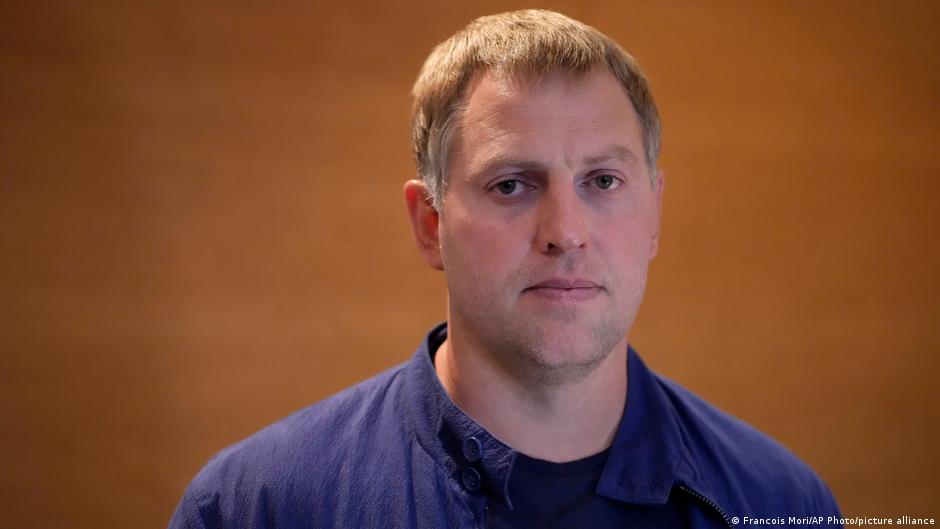
Gulagu.net, a Russian human rights initiative focused on exposing abuses in prisons and military detention facilities, has announced a suspension of its activities. The decision, revealed by project founder Vladimir Osechkin, reflects a growing sense of crisis fueled by legal, political, and security challenges that also carry implications for ordinary citizens’ personal security and economic stability.
Impact on Households and Personal Security
Osechkin, who has lived in exile in France since 2015, described a deteriorating international and domestic environment. Increasingly restrictive laws in Russia enable immediate revocation of passports, license suspensions, and asset confiscations. Such measures not only threaten activists but can destabilize the financial security of families connected to these efforts or caught in wider crackdowns.
With the backdrop of tightened borders and visa restrictions in Europe and the US, the mobility and financial fluidity of individuals—especially those with cross-border ties—face significant hurdles. These conditions place pressure on household budgets, savings, and secure access to foreign currencies, which are often critical for families managing risks in an uncertain geopolitical landscape.
“New laws allow immediate passport cancelations, license blocks, and asset seizures, while borders close and visas become scarce,” Osechkin explained, highlighting the cascading effects on personal and economic freedoms.
For everyday investors and savers, these developments translate into increased uncertainty. Currency fluctuations, especially involving the Russian ruble, may accelerate as geopolitical and domestic tensions escalate. Consumers reliant on international remittances or foreign currency holdings could experience volatility that undermines long-term financial planning.
Wider Geopolitical and Legal Pressures
Osechkin emphasized that the international human rights legal framework is under strain, with a diminished focus on protecting individuals and holding authorities accountable. This shift affects the perceived stability of legal institutions and the rule of law, factors crucial to investor confidence and economic predictability.
His own experiences—including incarceration from 2007 to 2010, alleged assassination attempts, and being targeted by Russian security services—illustrate the personal dangers faced by activists. The wider crackdown on dissenters and the accompanying legal actions create a climate of fear that may indirectly affect economic behaviors, including reduced foreign investment and cautious consumer spending.
Furthermore, the suspension of Gulagu.net’s efforts to document abuses and bring transparency to the prison system may weaken societal oversight and accountability, potentially influencing broader political stability. For households, this translates into an unstable environment where rights protections and predictable governance are uncertain.
Looking Ahead: Economic and Personal Finance Considerations
As the situation evolves, households and individual investors need to consider several factors:
- Increased legal risks may affect asset ownership and mobility, necessitating diversified portfolios and cautious financial planning.
- Currency volatility linked to geopolitical tensions may require strategies to hedge exposure, especially for those with international financial ties.
- Restricted movement and visa difficulties could impact employment opportunities and income sources for families reliant on cross-border work or support.
- Heightened uncertainty underscores the importance of emergency savings and flexible financial strategies to withstand abrupt changes.
In sum, the challenges faced by human rights defenders like Osechkin and projects such as Gulagu.net resonate beyond activism, affecting the financial stability and planning of everyday citizens navigating an increasingly uncertain landscape.