Ukraine’s NATO Prospects Dim, Shifting Security Focus May Impact Economic Stability
Ukraine unlikely to join NATO, turning to emerging defense alliances with implications for household budgets and economic resilience.
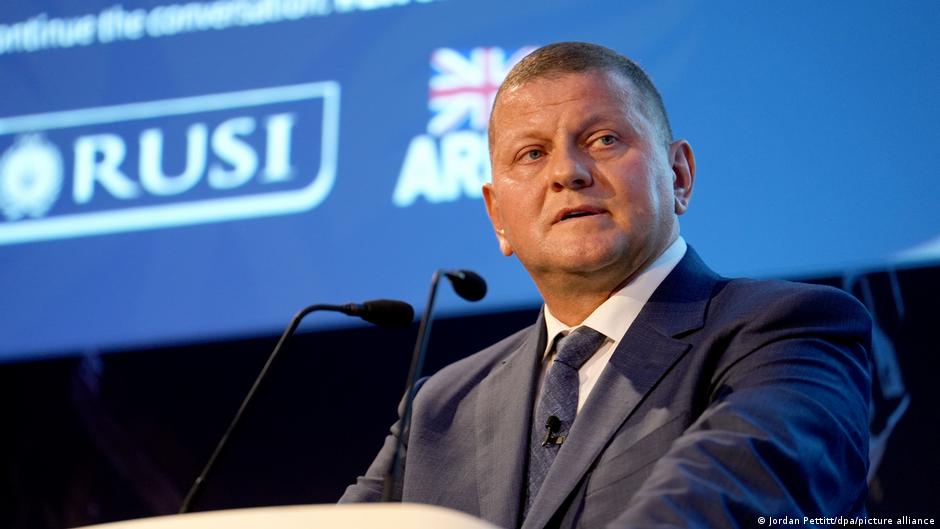
Ukraine's long-held aspiration to join NATO has been cast into doubt by General Valeriy Zaluzhny, former commander-in-chief of the Ukrainian Armed Forces and current ambassador to the United Kingdom. Speaking at a diplomatic meeting in Kyiv, Zaluzhny stated that Ukraine will likely never meet the alliance’s standards and must instead pursue alternative security partnerships. This strategic pivot carries significant consequences for Ukraine’s economic landscape, affecting household financial security, currency stabilization, and investor confidence.
Security Challenges and Economic Implications
According to Zaluzhny, Ukraine's armed forces have not yet reached the operational and technological benchmarks required for NATO membership. He critiqued NATO’s adherence to outdated doctrines, suggesting that Ukraine’s military development is out of sync with the alliance’s current framework. This misalignment implies that NATO integration—and the associated economic and political stability it could bring—is not imminent.
“We will never join NATO,” Zaluzhny remarked. “It will take at least a dozen years to reach half the military standards of the Russian Federation, the measure by which we are assessed.”
For Ukrainian households, this means continued economic uncertainty. The protracted conflict with Russia has already strained budgets through inflation, currency volatility, and resource scarcity. Without NATO’s formal security guarantees, Ukraine may face prolonged military expenditures and reliance on foreign defense technology, potentially diverting funds from social programs and infrastructure investments crucial for everyday citizens.
Zaluzhny emphasized Ukraine’s ongoing need for access to NATO technology, particularly in missile defense systems like the American Patriot complexes. This reliance highlights the economic burden of importing advanced military hardware and maintaining operational readiness amidst ongoing conflict. Such expenditures can reduce disposable income for families and limit public savings, amplifying financial pressures on the average Ukrainian household.
Emerging Defense Alliances as Strategic Alternatives
With NATO membership unlikely, Ukraine is exploring participation in newer coalitions such as the Joint Expeditionary Force (JEF), a security alliance of ten Northern European countries, established in 2015. Ukraine obtained expanded partner status with JEF in December 2025, signaling a strategic commitment to regional cooperation outside NATO’s framework.
While JEF focuses on security in Northern Europe and the Arctic, it lacks a collective defense clause, limiting its ability to guarantee Ukraine’s territorial integrity definitively. Zaluzhny noted organizational weaknesses within JEF, which currently do not fully meet Ukraine’s security needs. However, deepening ties could still provide access to technological resources and a degree of military support.
For Ukrainian consumers and investors, these developments suggest a continued period of cautious economic management. Defense spending priorities will remain high, with potential impacts on currency stability and inflation. Additionally, investor confidence may fluctuate as security uncertainties endure, affecting capital flows and economic growth prospects.
In conclusion, Ukraine’s shift from NATO ambition to partnership in emerging defense blocs reflects strategic realism but also prolongs economic pressures on households and markets. Access to key military technologies will be necessary but costly, influencing government budgets and consumer finances alike. As the nation navigates this complex security landscape, the financial resilience of its citizens remains a critical concern.