Germany Presses Ukraine to Factor Berlin’s Industry Into Aid Spending
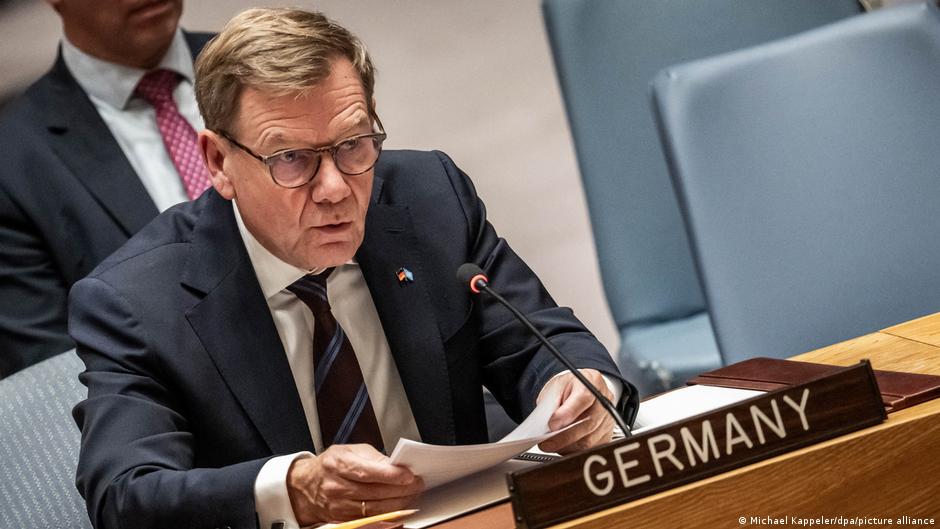
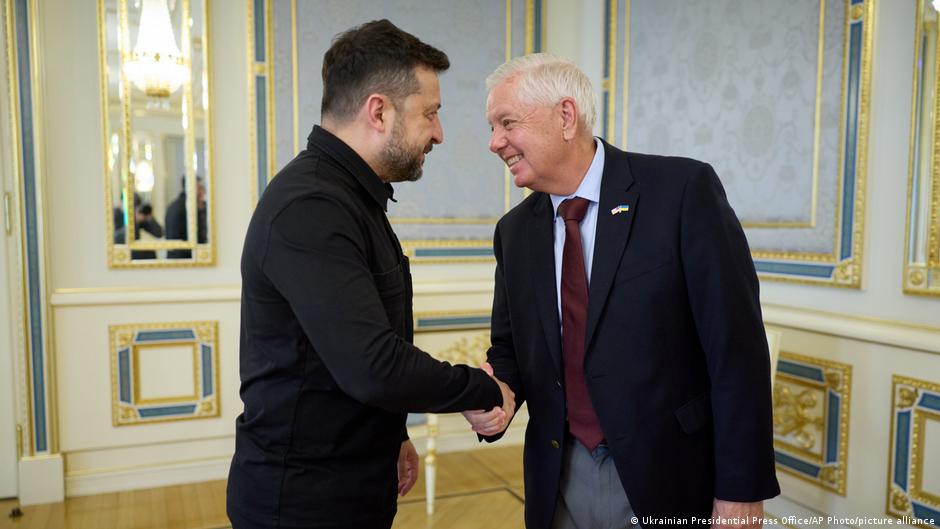
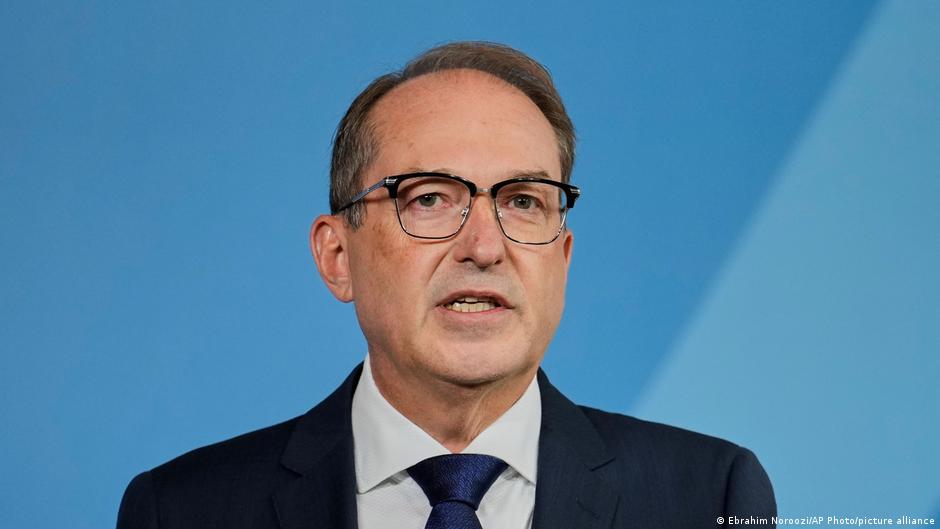
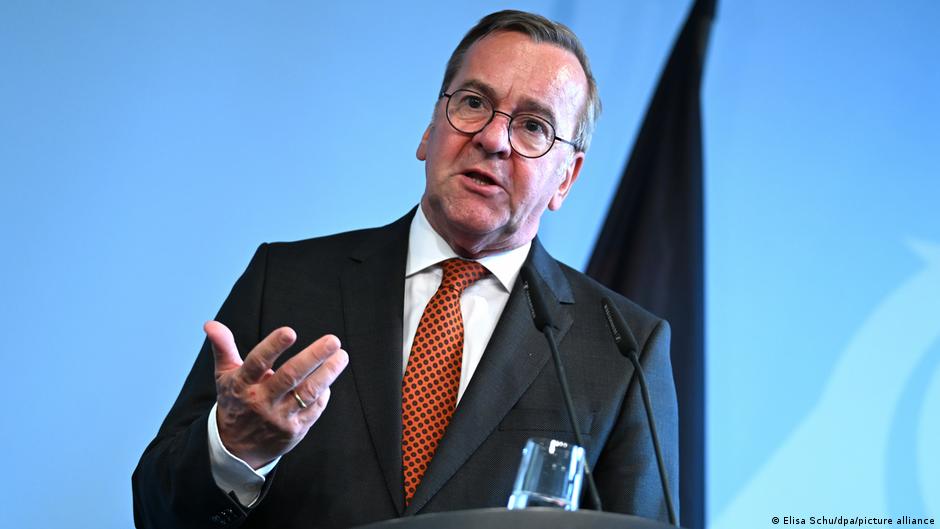
Germany’s foreign minister says aid to Ukraine should also benefit German defense firms, citing the need to justify spending to taxpayers.

Germany’s foreign minister says aid to Ukraine should also benefit German defense firms, citing the need to justify spending to taxpayers.

Finland’s completed Russia border fence highlights how security spending can affect public budgets, local economies and household finances.

Kaja Kallas shelved an EU defense expert group after resistance from Germany and Italy, raising questions for budgets and investors.

Germany’s planned anti-sabotage shield could add new cost pressures across transport, energy, cybersecurity and household budgets.

Sabotage at European defense factories risks supply chain disruptions that could raise consumer costs and disrupt savings amid ongoing geopolitical tensions.

Finland summons Russian ambassador after an Il-20 spy plane briefly entered its airspace, raising concerns that may impact regional economic stability and household finances.

NATO responds to Iranian threats targeting European military sites, signaling potential impacts on household budgets, currency markets, and consumer prices amid rising tensions.

Germany faces growing hybrid warfare threats, including drone attacks, impacting national security and posing risks to household budgets, savings, and investor confidence.

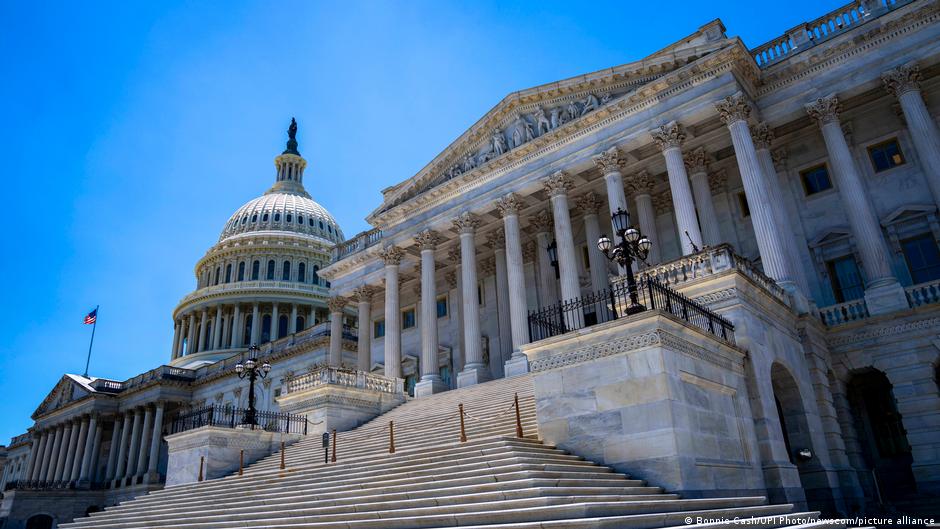
US Senate sanctions targeting Russian energy exports may drive higher fuel prices and inflation, affecting household budgets and investors worldwide.

Lithuanian defense warns of possible Russian drone attacks on Baltic infrastructure, highlighting risks to household budgets and financial stability in the region.

Ukraine’s unlikely NATO membership shifts security alliances, impacting household budgets, currency stability, and the economic outlook for everyday investors.

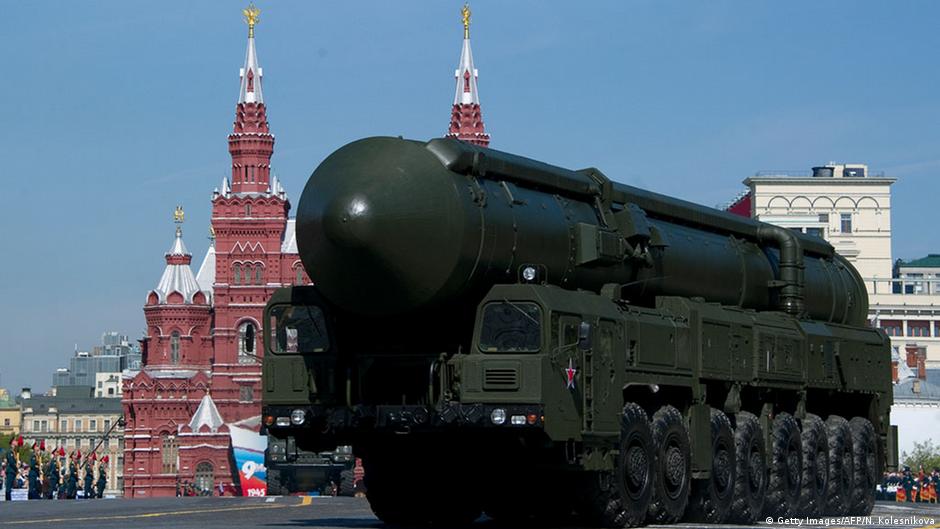
NATO's plans to expand nuclear deterrence in Europe could influence household budgets and market stability amid rising geopolitical tensions.

The US Senate advances sanctions bill imposing steep tariffs on Russian imports, potentially raising prices and affecting household budgets and investments.

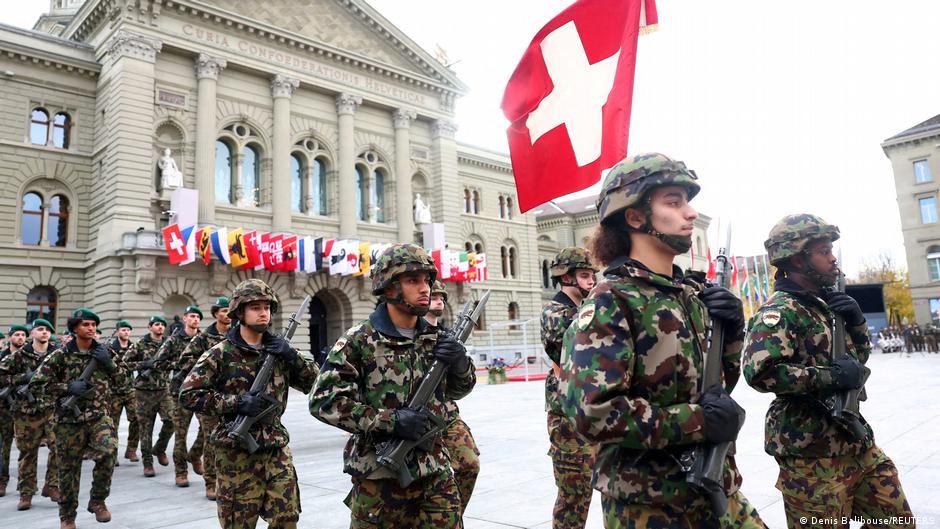
Austria plans to extend mandatory military service to nine months and increase conscript pay, impacting household incomes, savings, and government spending.

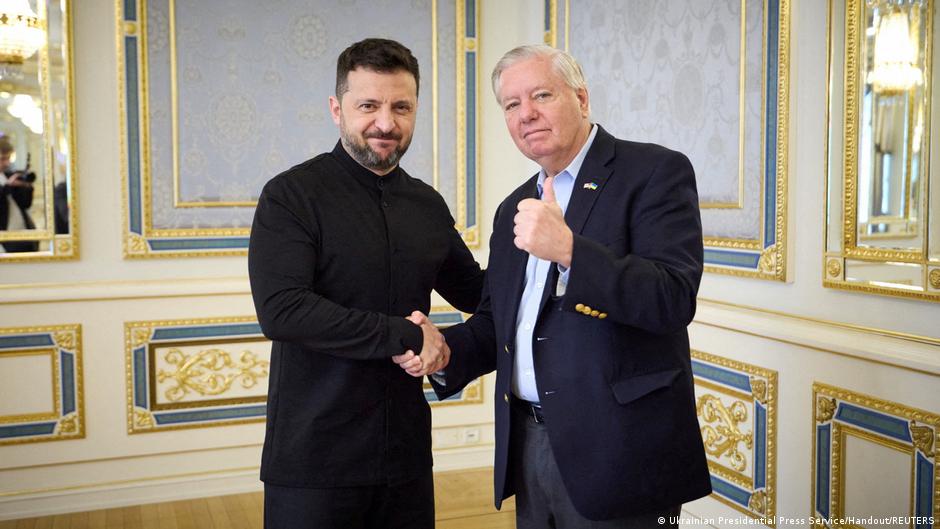
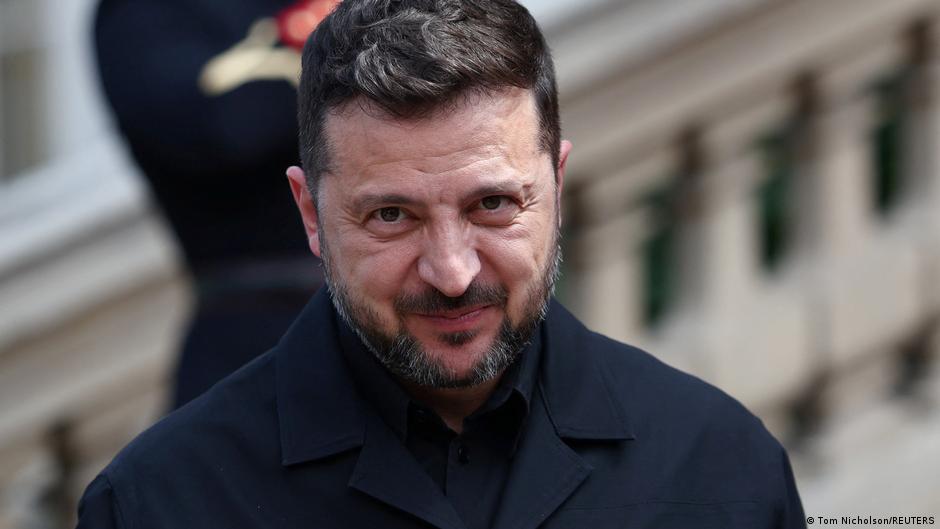
President Zelensky's Washington visit coincides with Senate moves to expand Russia sanctions, affecting household budgets and investment risks amid geopolitical tensions.

The US has imposed 50% tariffs on Canadian imports, raising prices on goods like wine and cement, which may increase costs for American households and affect everyday investments.

Darlin Graham Norton assumes her late brother Lindsey Graham’s Senate seat, preserving Republican control and influencing policies that affect household budgets and investor confidence.

Germany plans a 25.5% defense budget increase for 2026, raising concerns over impacts on household finances, public debt, and investor markets.

US strikes on Iran and renewed sanctions risk disrupting global oil supplies, pushing energy costs higher and impacting household budgets and investors worldwide.

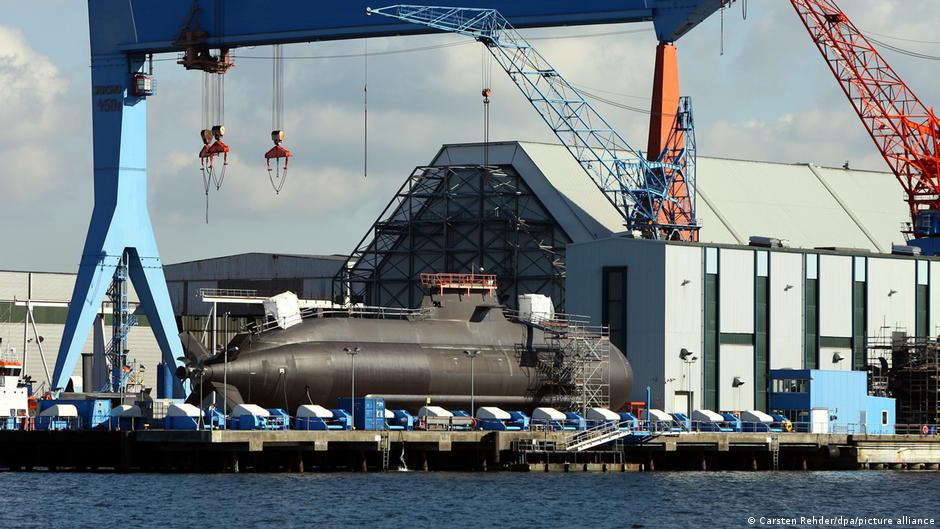
Canada's selection of German TKMS for submarine procurement signals deepening transatlantic ties, with wide-ranging effects on currencies, government budgets, and investors.

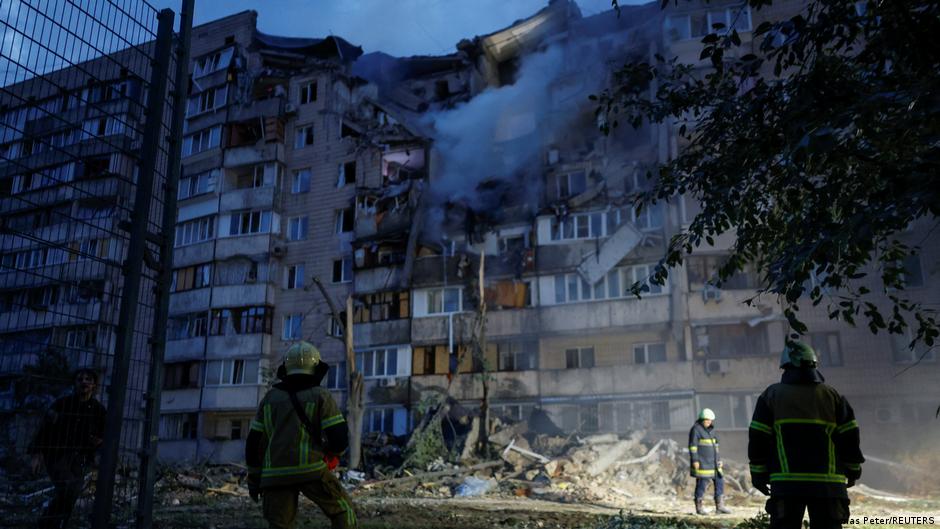
Russian missile and drone strikes on Kyiv cause casualties and property damage, increasing financial hardship for families and affecting local economies amid ongoing conflict.

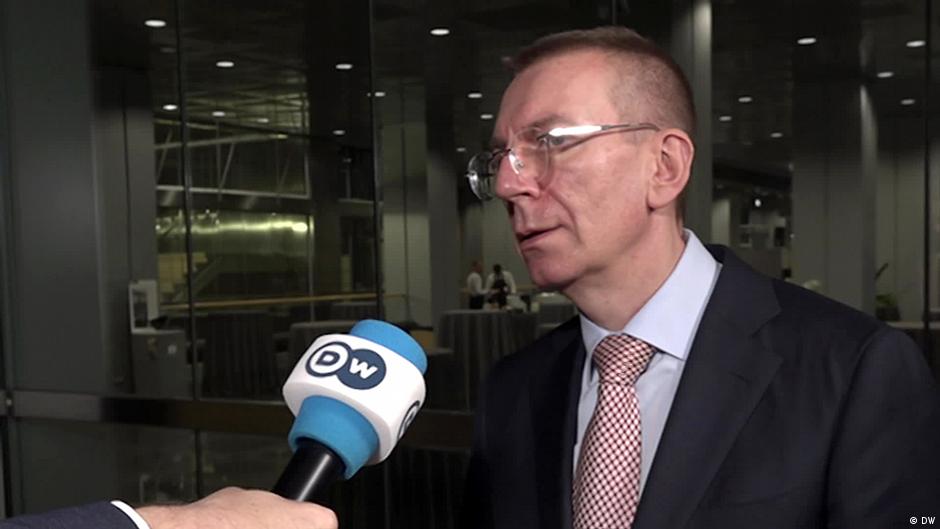
Latvian President warns NATO to prepare for conflict escalation with Russia, highlighting increased defense spending and its impact on European household budgets and savings.

Poland deported 11 individuals accused of organizing Russia-funded protests among Ukrainian refugees, raising concerns over foreign influence and economic impact on households.

German and US foreign ministers emphasize their partnership's role in stabilizing the global economy amid crises affecting household finances and investor confidence.

Finland's removal of the nuclear weapons ban may impact national security and economic stability, influencing household budgets, savings, and currency markets.

German authorities grant asylum to Russian activist Ilya Shkolny after a lengthy legal fight, underscoring the financial and social impacts of geopolitical instability on households and investors.

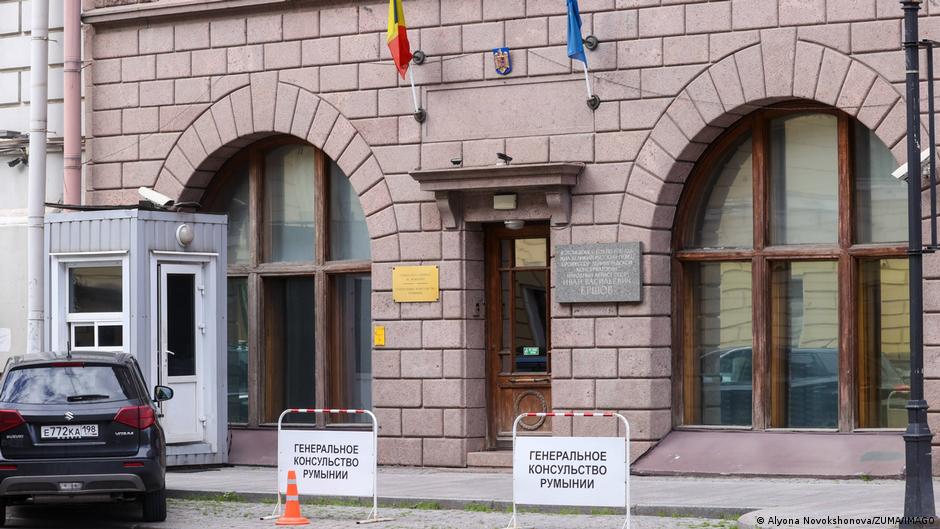
Russia closes the Romanian consulate in St. Petersburg following diplomatic disputes sparked by a Russian drone incident in Romania, with potential impacts on household budgets and currency stability.

The US Senate voted to end military actions against Iran, signaling shifts that may ease economic pressures on households and investors amid ongoing peace talks.

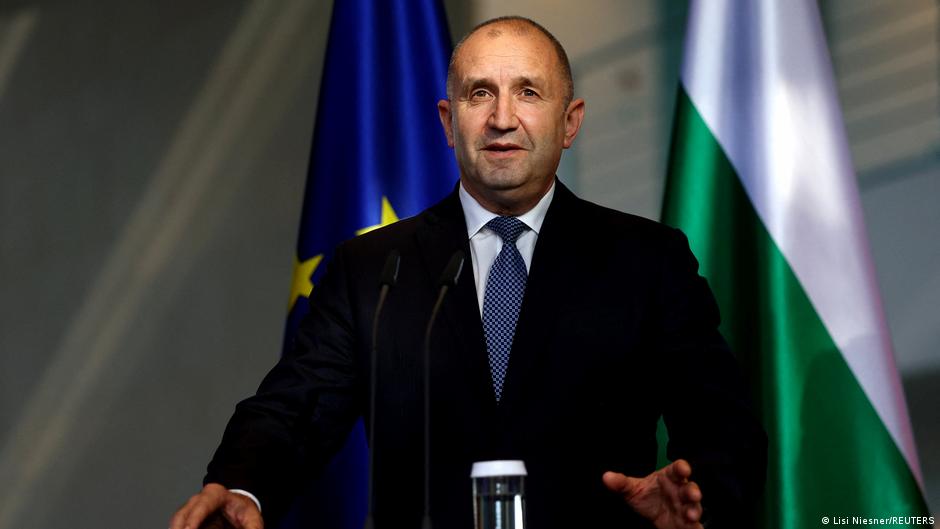
Bulgaria plans to veto the EU's new sanctions on Russia, citing risks to fuel supply, metro parts, and fertilizer availability that could impact household budgets and inflation.

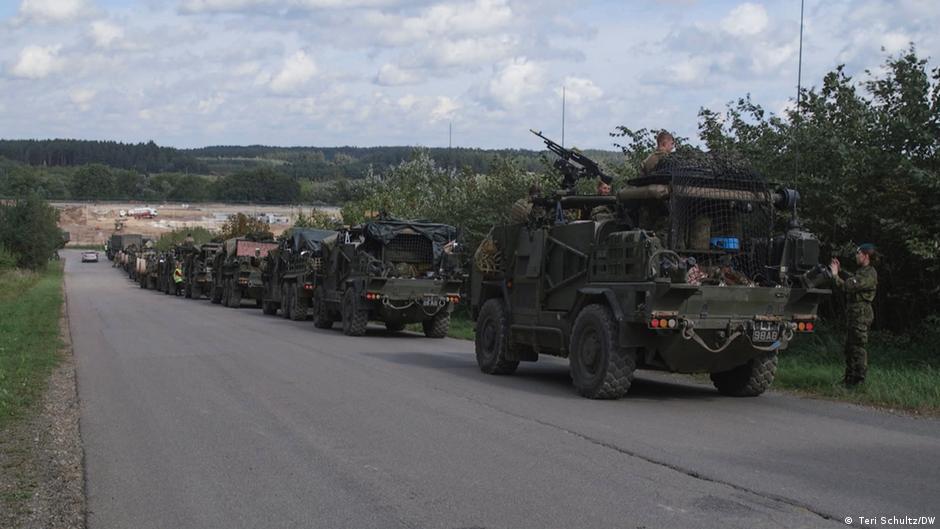
Joint military drills near the Suwalki Corridor may drive up defense spending, impacting household budgets, inflation, and local currencies in the Baltic region.

The U.S. plans to reduce its NATO fighter jets and naval presence in Europe, affecting defense budgets, currency stability, and investor outlooks across allied nations.

Germany commits an extra €300 million to Ukraine ammunition supplies, raising concerns about European fiscal pressures affecting household budgets and consumer finances.

A Russian-origin drone crashed into a Romanian residential building, raising security and economic concerns for local households and investors amid regional tensions.

Ksenia Fedorova, former RT France chief, continues media work on French TV despite Russia Today’s EU ban, influencing public perception and consumer trust in news.

NATO intelligence reveals Russia's secret underwater nuclear missile project which could impact global defense spending, currency stability, and everyday financial risks for consumers and investors.

The US plans to deploy 5,000 additional troops to Poland amidst military realignments, impacting defense budgets, currency stability, and potentially household finances globally.

The US indictment of Raul Castro over a 1996 incident signals heightened tensions with Cuba, affecting remittances, currencies, and household budgets on both sides.

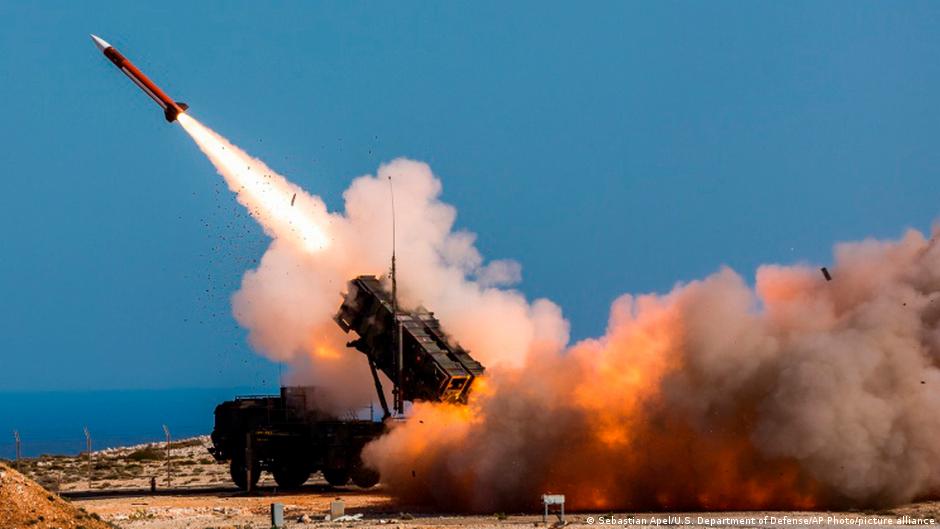
NATO confirms the steady supply of US air defense missiles to Ukraine, with implications for household budgets, government spending, and currency stability amid the ongoing conflict.

The US Senate advances a resolution to restrict military actions against Iran, with significant impacts on household budgets, currency markets, and consumer investments.

Serbia hosts first joint NATO military exercises amid neutrality policy, with potential but limited impact on household finances and economic stability.

Ukraine’s plan to supply NATO with long-range drones and missiles could reshape defense dynamics and affect household finances, currency stability, and consumer investment decisions in Europe.

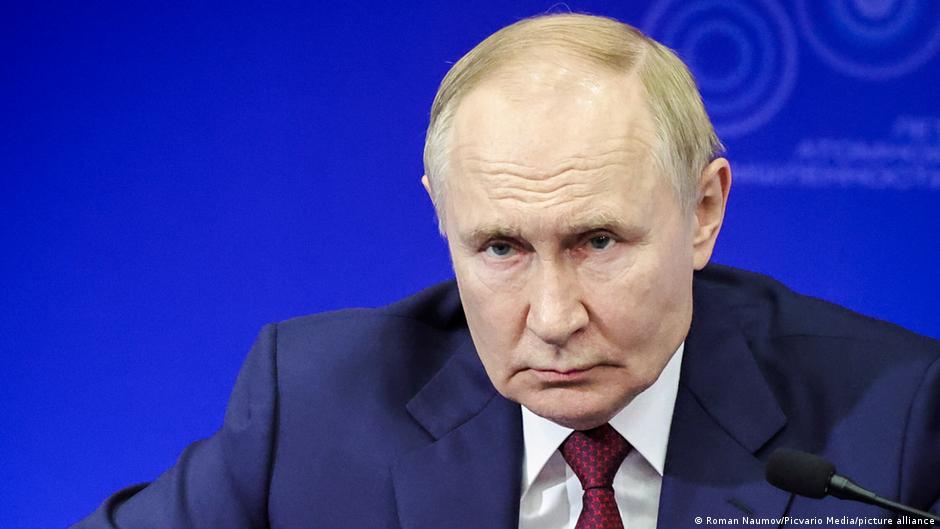
Putin names former German Chancellor Schröder as preferred EU negotiator in Ukraine talks, potentially impacting energy prices, currencies, and household budgets across Europe.

The US Defense Department has released 161 declassified UFO files, inviting public and expert analysis amid ongoing questions about unidentified aerial phenomena.

Germany is accelerating its long-range missile development after the US declined Tomahawk deployment, affecting European security, defense budgets, and investors’ outlook.

The US plans major cuts to its troops in Germany, affecting local economies, currency markets, and potentially household finances and investments.

King Charles III’s US visit amid UK-US tensions spotlights rising energy costs and currency risks affecting household budgets and everyday investors.

Turkey is pushing to restart Russia-Ukraine peace talks, a move that could ease inflation and market volatility impacting household budgets and investors globally.

NATO intercepted Russian bombers over the Baltic Sea, escalating regional tensions and potentially impacting household budgets, currencies, and investor confidence.

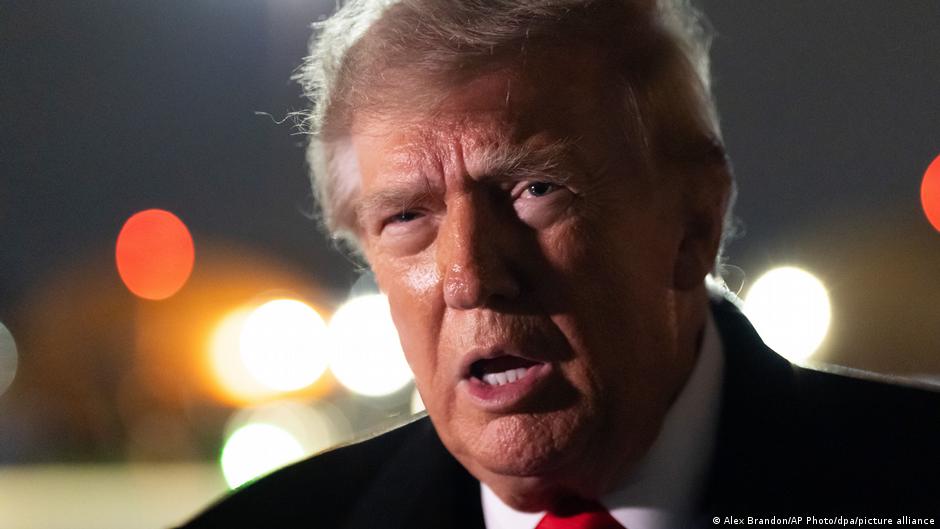
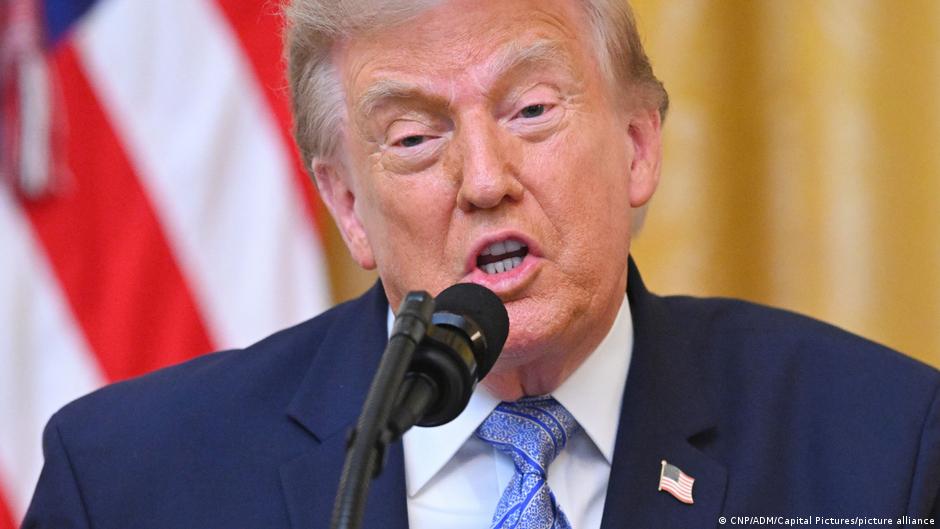
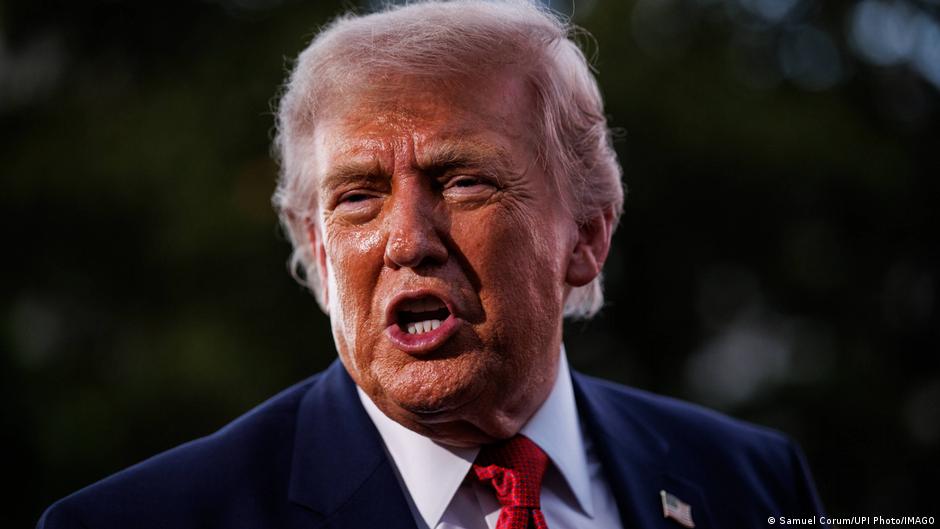
Trump rejects NATO assistance in Strait of Hormuz amid rising tensions, risking higher energy prices and market volatility affecting consumers and investors.

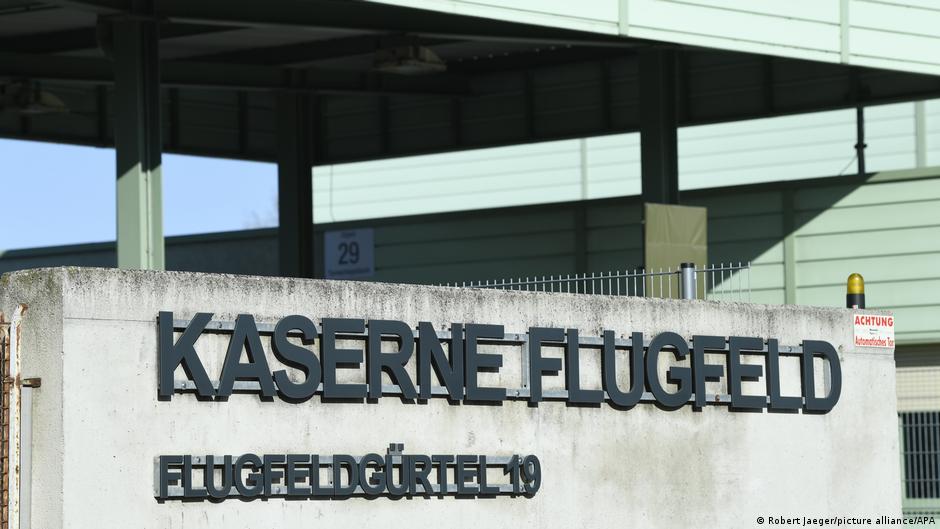
Uzbek visitors are barred from Germany's Bundeswehr Military Technology Museum due to security policies, affecting travel plans and household budgets.