Russian Missile and Drone Strikes on Kyiv Increase Financial Strain on Households and Local Economy
Recent attacks in Kyiv and surrounding regions cause casualties and damage, impacting household budgets and local consumer confidence amid ongoing conflict.
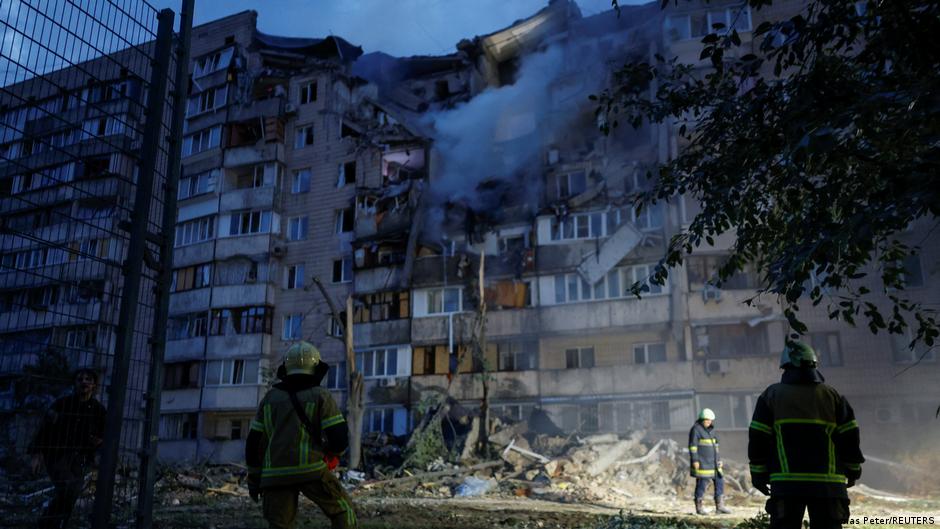
On the night of July 6, Russian forces launched a significant missile and drone attack targeting Kyiv, Ukraine’s capital, resulting in at least seven deaths and 24 injuries, including children. The strikes damaged residential buildings and critical civilian infrastructure, deepening the hardships faced by local households and consumers amid ongoing instability.
Impact on Household Budgets and Consumer Security
The raids involved ballistic and cruise missiles as well as strike drones, hitting multiple districts of Kyiv, including Podil, Darnytskyi, and Holosiivskyi. Residential buildings were partially destroyed or damaged, with reports of people trapped and rescued from high-rise apartments. Specifically, in the Podil district on Kyiv's northwest side, a residential building suffered damage between the 7th and 9th floors, requiring emergency evacuations of women and children.
Such destruction directly disrupts the lives and finances of affected families, forcing them to divert resources towards emergency needs, repairs, and healthcare costs. The strain extends beyond immediate victims, as damaged infrastructure and uncertainty weigh heavily on local markets and consumer confidence. With homes damaged and some residents displaced, household budgets are stretched thinner, potentially reducing spending on other essential and discretionary items.
"The attack not only inflicted tragic human losses but also threatens the financial stability of many Kyiv families," said a local economic analyst.
Additionally, the Kyiv regional administration confirmed damage and casualties in areas surrounding the capital, such as Bucha, Vyshhorod, and Brovary districts. Private homes, businesses, and public infrastructure were affected, disrupting community services and local economies. In Bucha district alone, one person was killed and ten injured, with several requiring hospitalization.
Odessa, a major port city, also suffered missile strikes with injuries and property damage reported, further affecting regional economic activity and consumer sentiment.
Broader Economic Consequences and Currency Volatility
The renewed violence comes ahead of the NATO summit in Turkey, coinciding with geopolitical tensions that influence foreign investment and currency stability. The Ukrainian government has called for urgent international support, including missile defense systems, to protect civilians and critical infrastructure.
For everyday Ukrainians, the ongoing conflict and intensified attacks contribute to increased inflationary pressures and currency fluctuations, complicating financial planning and savings preservation. Households may experience higher costs for housing, utilities, and basic goods as supply chains are disrupted and risk premiums rise.
Investors, both domestic and abroad, face heightened uncertainty, dampening prospects for economic recovery. The destruction of property and infrastructure reduces productivity and increases rebuilding expenses, which can suppress economic growth and strain public budgets.
In summary, the recent attacks on Kyiv and surrounding regions exacerbate the challenges Ukrainian households currently face. Beyond tragic human losses, the strikes impose significant financial burdens on families, disrupt local economies, and contribute to broader economic instability during a critical period for the nation.