Russian Attacks on Ukrainian Regions Cause Civilian Casualties and Infrastructure Damage
Recent strikes across Ukraine have resulted in fatalities and injuries, disrupting daily life and impacting household security.
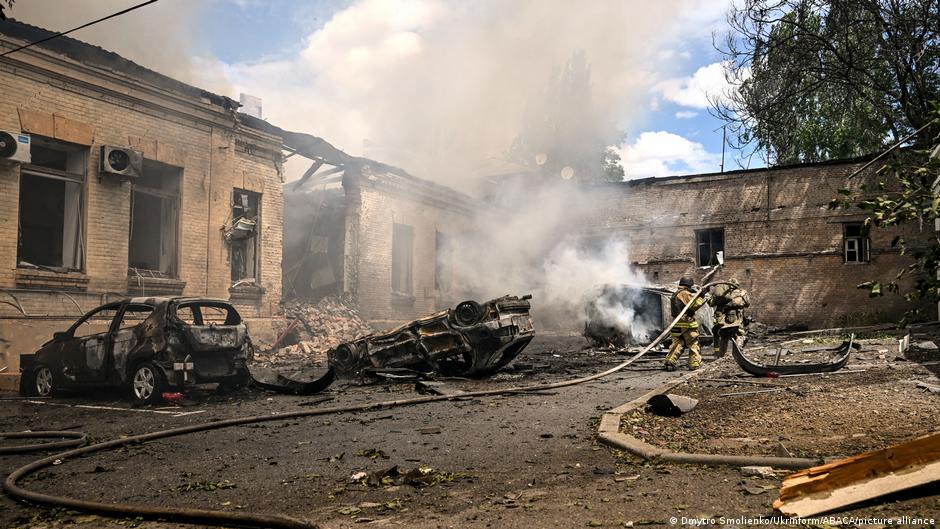
On July 5, Russian forces launched multiple attacks across several Ukrainian regions, using air bombs, rockets, and drones, according to regional authorities. Cities including Kharkiv, Zaporizhzhia, Kherson, Izium, Bohodukhiv, and the Chernihiv region were targeted, resulting in four deaths and 25 injuries among civilians.
Impact on Households and Regional Infrastructure
The attack on Zaporizhzhia involved two air bombs, as reported by Ivan Fedorov, head of the Zaporizhzhia Regional Military Administration. The strikes destroyed private homes and damaged 35 apartments in a multi-story building. Among the casualties was a 14-year-old teenager and an 89-year-old woman, with 13 people suffering concussions and shrapnel wounds. The threat from drone attacks persisted across the region until late evening.
In Kherson, early morning shelling injured two people, including a 44-year-old man with explosive trauma and shrapnel wounds. The Chernihiv region saw the destruction of a "Nova Poshta" sorting center, impacting local delivery services critical to household logistics.
Bohodukhiv in Kharkiv Oblast experienced two deaths and two injuries due to rocket attacks, while Izium suffered one fatality and three injuries, with damage to a gas station and several vehicles. Kharkiv itself was hit twice in one day; a drone strike targeted a gas station in the morning, followed by a second strike later, resulting in multiple hospitalizations.
"Residents are urged to avoid gas stations and remain cautious near critical infrastructure due to the heightened risk of further attacks," warned regional officials.
Ukrainian President Volodymyr Zelensky, citing intelligence reports, warned of the possibility of a new, large-scale Russian offensive. This follows the most intense wave of attacks since the start of the conflict, including the July 2 strikes that killed 31 people and injured over 100.
Financial and Consumer Implications for Ukrainian Households
These ongoing attacks create considerable uncertainty for Ukrainian households, impacting personal finances in several ways. The destruction of homes and apartments forces families to seek costly repairs or alternative accommodations, straining limited savings. The damage to infrastructure such as postal centers disrupts supply chains and increases the costs and delays of essential goods and services.
Moreover, the repeated targeting of gas stations threatens fuel availability and safety, leading to potential spikes in fuel prices and increased transportation costs for consumers. This pressure on fuel supply can exacerbate inflationary trends, impacting the broader cost of living.
For everyday investors and savers, the instability heightens currency volatility and undermines confidence in the local economy. Households may find it more challenging to preserve their savings’ value, with heightened risks discouraging investment and affecting long-term financial planning.
As the conflict continues, Ukrainian consumers face increasing challenges managing day-to-day expenses amid infrastructure damage, safety concerns, and economic uncertainty.