Novorossiysk Drone Attack Raises Fresh Risks for Fuel, Food and Port Costs
A major fire after a reported drone attack on Novorossiysk highlights how disruptions at Russia’s key Black Sea hub can reach household budgets.
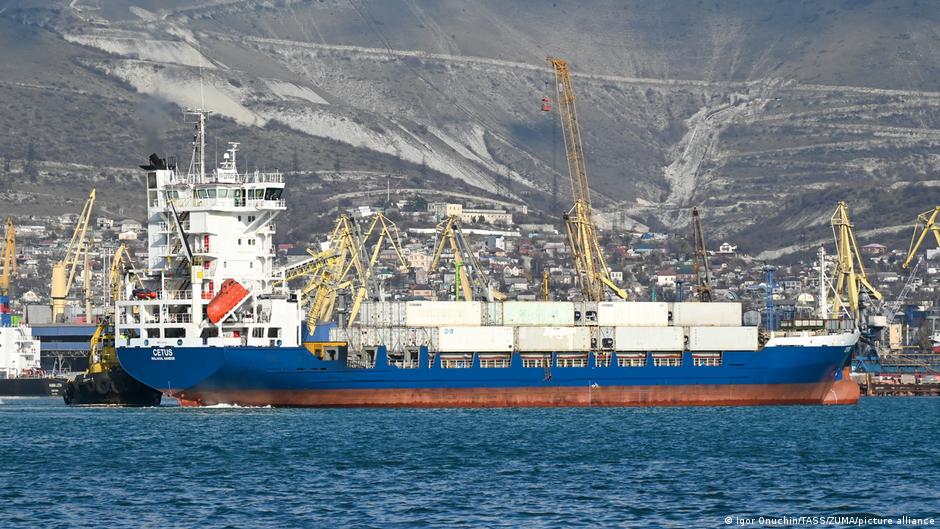
A reported drone attack on Novorossiysk, one of Russia’s most important Black Sea ports, has triggered a major fire and renewed concerns about the kind of supply disruptions that can eventually show up in consumer prices, household energy costs and market volatility.
According to an OSINT analysis by ASTRA, a fuel oil terminal was burning after strikes on the city. ASTRA also reported a fire in a residential apartment building on Volgogradskaya Street. The mayor of Novorossiysk, Andrei Kravchenko, said in a Telegram post overnight on Wednesday, September 9, that the city had been attacked using unmanned aerial vehicles.
Kravchenko said debris from drones had fallen on the grounds of enterprises and near a residential building. According to preliminary information, there were no casualties. Emergency services were working to deal with the consequences of the incident.
According to preliminary information, there were no casualties, while emergency services were working at the affected sites.
For households and everyday investors, the immediate story is not only the fire itself, but where it happened. Novorossiysk is described as one of the largest ports in Europe and a key hub for Russia’s foreign trade. The port handles oil, metals, container cargo and a large share of Russia’s grain exports. That makes disruptions there relevant well beyond the city, particularly for markets that are sensitive to shipping delays, export bottlenecks and risk premiums.
Why a Port Fire Matters for Household Budgets
ASTRA’s OSINT analysis said that a fuel oil terminal was burning after the strikes. The source describes the terminal as one of the leading enterprises in the Novorossiysk transport hub, which is part of Russia’s largest port. For consumers, any disruption around fuel infrastructure can matter because energy costs are embedded across the economy. Fuel affects transport, heating, freight, food distribution and the cost of moving imported and exported goods.
The source does not provide figures on damage, lost capacity or the duration of any disruption, so it would be premature to attach a specific price effect to the incident. But for a personal finance readership, the risk channel is clear: when critical transport and energy assets face repeated disruption, markets tend to watch for knock-on effects in shipping schedules, insurance costs, commodity prices and currency expectations.
In August, according to the source, an intensification of strikes on Novorossiysk caused noticeable disruptions in oil and grain shipments. That earlier disruption matters because it suggests that the port has already been under pressure. A single incident can be absorbed if operations resume quickly, but repeated interruptions at a major export hub can make supply chains less predictable.
For families, that uncertainty can filter through gradually. Food prices are especially sensitive to grain logistics, while transport and utility costs are linked to energy markets. Even consumers far from the Black Sea can be affected if global commodity traders price in higher risks or if importers and distributors face more expensive financing, insurance or freight arrangements.
Grain, Oil and Currency Risks
Novorossiysk’s role in grain exports is central to the consumer angle. The source says that up to one-third of all Russian grain exports pass through the port, a function explained by its proximity to Russia’s main agricultural regions. Grain is a basic input for household food spending, not only through bread and flour, but also through animal feed and processed foods.
Any interruption to grain shipments can therefore draw attention from food companies, commodity traders and governments tracking inflation. The source does not say that grain shipments were halted by the latest fire, and it does not quantify the effect of the reported attack. Still, the fact that August strikes had already caused noticeable disruptions in oil and grain shipments gives the latest incident financial significance.
Oil is another channel for household exposure. Novorossiysk is used to supply oil to global markets, according to the source. If investors believe that export flows through the port are at risk, that perception can influence energy-market sentiment. For consumers, energy-market sentiment can matter almost as much as physical supply in the short term, because prices can respond quickly to perceived risk.
Currencies are also part of the household budget story. Export hubs help bring in foreign currency revenues, and disruptions to trade flows can affect expectations around external balances and financial stability. The source does not make any currency claims, and no exchange-rate movement is provided. But for households holding savings, planning travel, buying imported goods or investing in internationally exposed funds, major port disruptions are the kind of event that can feed into broader market uncertainty.
Everyday Investors Face a Familiar Problem: Risk Without Clarity
The challenge for everyday investors is that the incident contains clear risk signals but limited hard data. The source reports fires at a fuel oil terminal and at a residential apartment building, drone debris falling on enterprise territory and near a residential building, and no preliminary reports of casualties. It also identifies Novorossiysk as a major trade hub for grain, oil, metals and container cargo. What it does not provide is a verified estimate of damage, operational downtime or export losses from the latest attack.
That gap matters. Investors often react to uncertainty before the economic effect is fully known. Energy companies, shipping firms, commodity-linked funds, agricultural markets and currencies can all become more volatile when critical infrastructure is hit. But without confirmed figures, the prudent interpretation is risk monitoring rather than assuming a specific market outcome.
For household finances, the practical takeaway is to watch categories that are most exposed to energy and food costs. Grocery bills, fuel expenses and imported goods are the everyday channels through which distant infrastructure shocks can become personal. For savers and small investors, the lesson is similar: concentrated exposure to commodity-sensitive assets or currencies can feel stable until geopolitical or infrastructure risks suddenly reprice.
The fire in Novorossiysk is therefore more than a local emergency. Based on the source, it involves a city attacked with drones, fires at commercial and residential locations, and a port that plays a significant role in Russia’s grain, oil, metals and container trade. Whether the latest incident becomes a short-lived disruption or another pressure point for markets will depend on the extent of the damage and how quickly operations are restored.