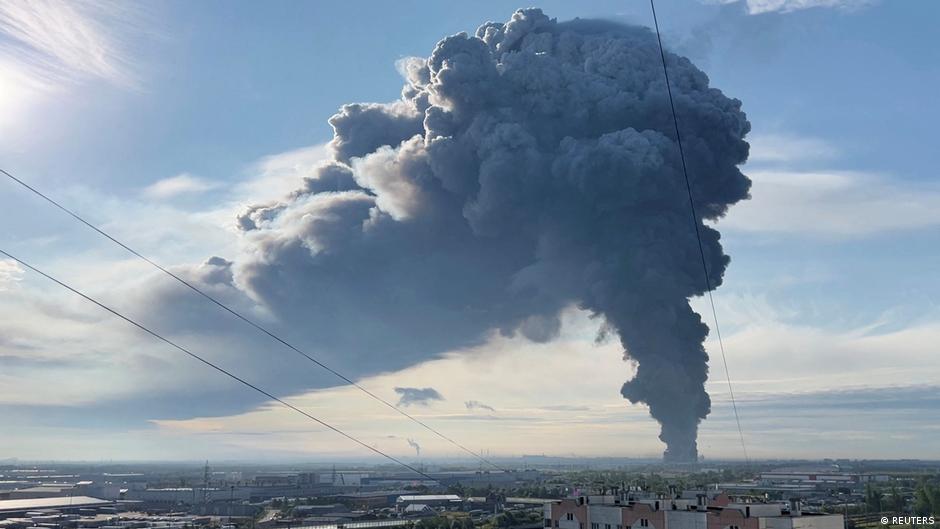
Russia’s June Oil Product Output Drops Nearly 22%, Impacting Consumer Fuel Prices
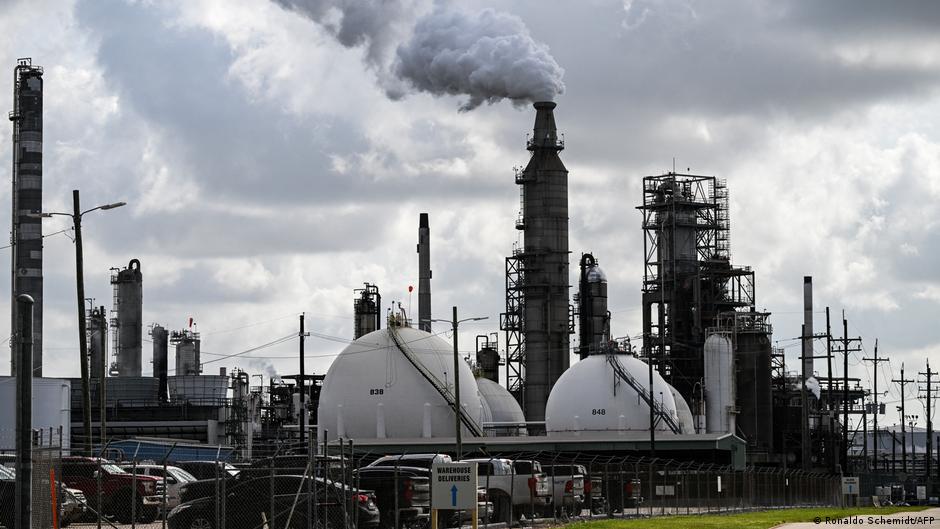
Russia’s oil product production dropped nearly 22% in June, driving fuel price increases and straining household budgets and consumer spending.
Russia’s oil product production dropped nearly 22% in June, driving fuel price increases and straining household budgets and consumer spending.
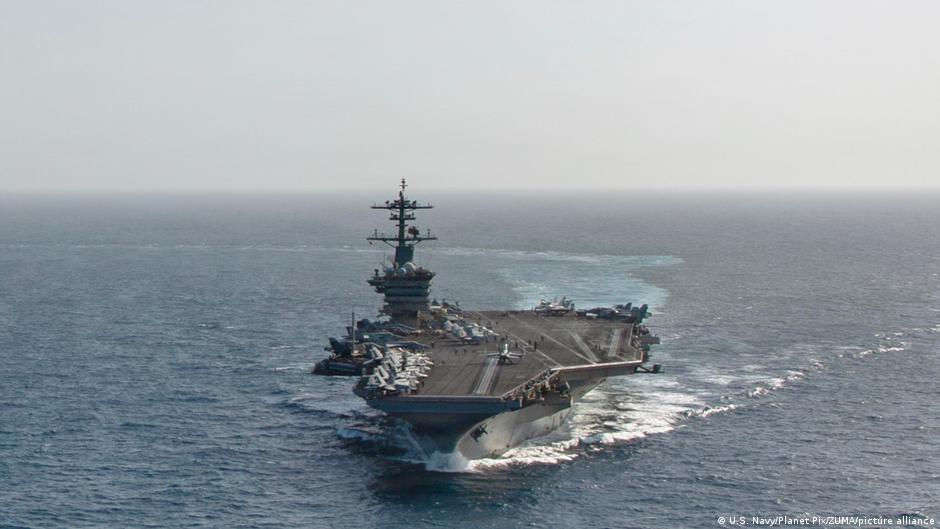
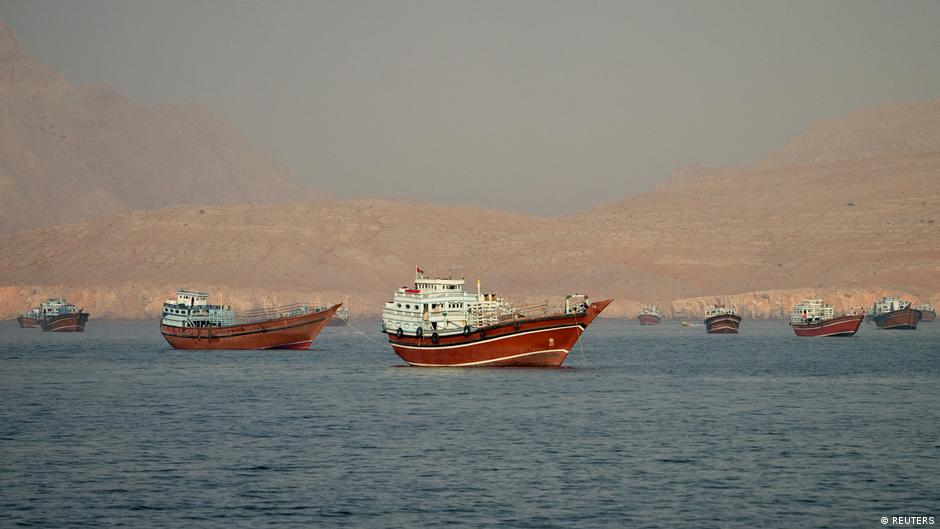
Iran’s Revolutionary Guard attacked an oil tanker near the Strait of Hormuz, threatening global oil supplies and raising fuel prices, impacting household budgets and investors worldwide.

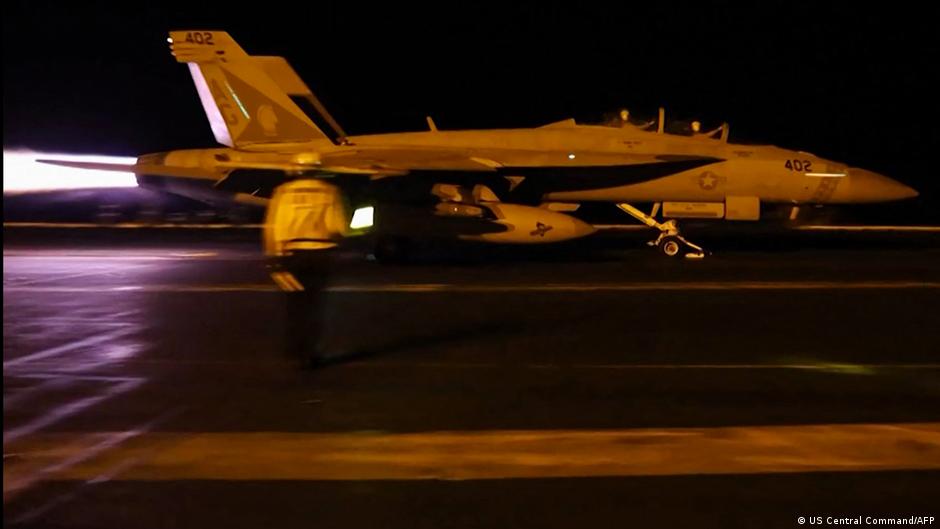
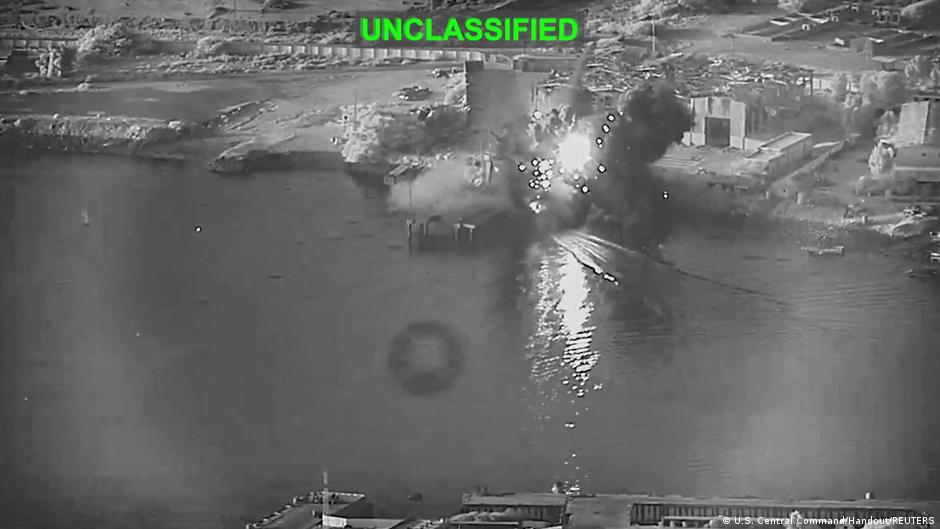
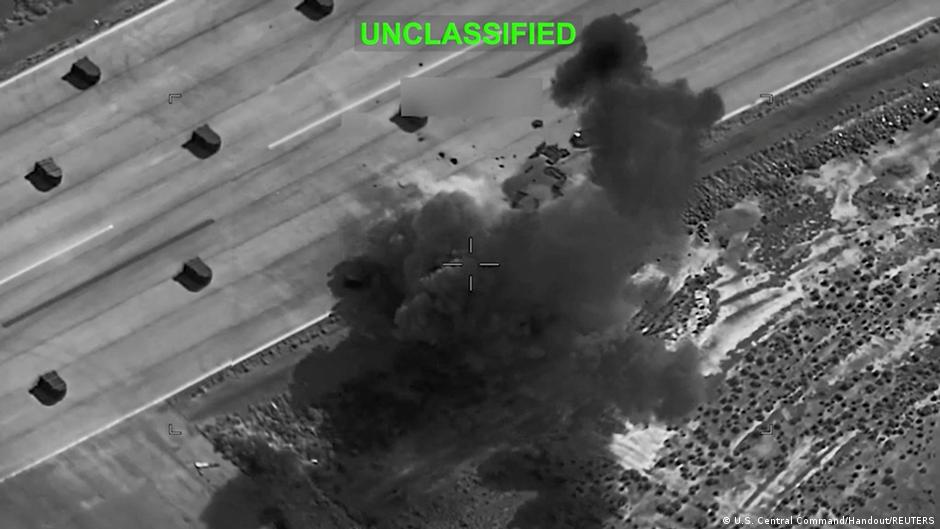
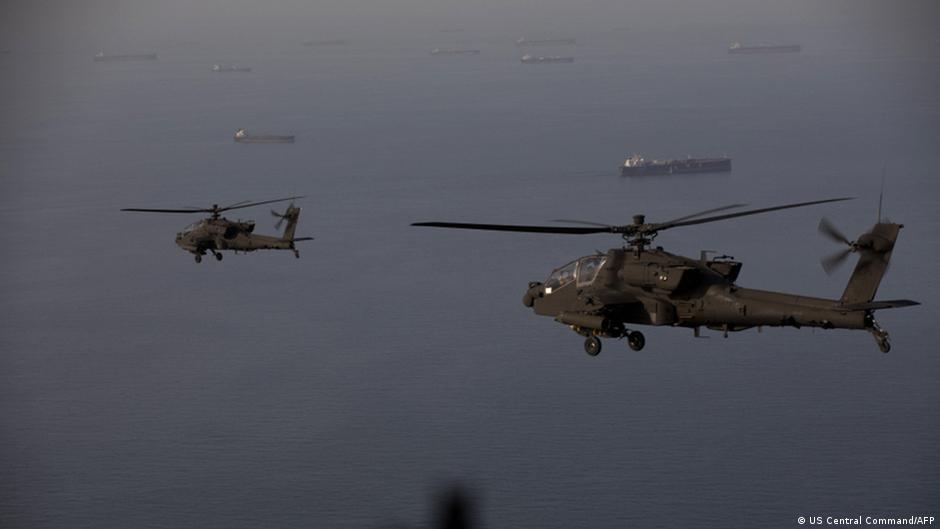
US strikes on Iran enter the tenth day, risking global energy supply disruptions that could raise fuel prices and strain household budgets and investor portfolios worldwide.

US-Iran conflict intensifies with nine nights of US strikes and Iranian retaliation, disrupting energy flows through the Strait of Hormuz and impacting global fuel prices.

US plans to allow Saudi uranium enrichment could raise oil prices, affect currencies, and impact household budgets and investments worldwide.

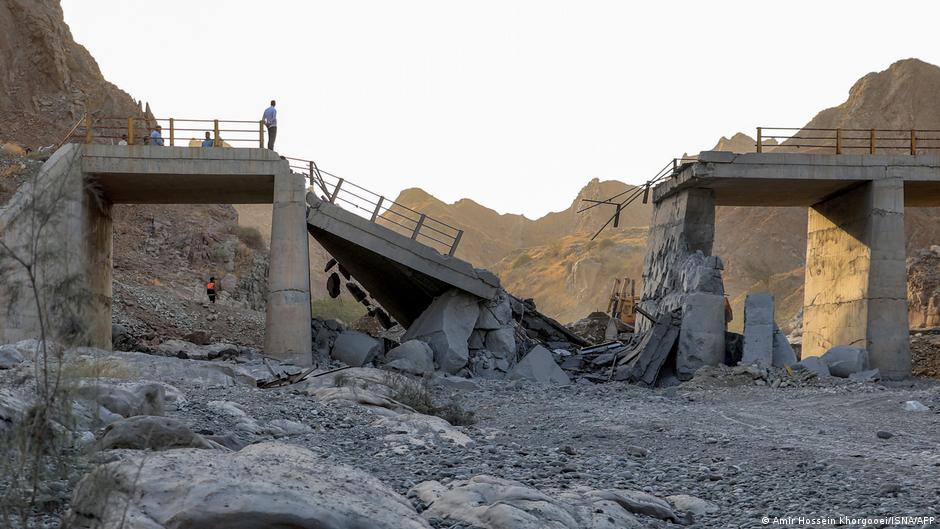
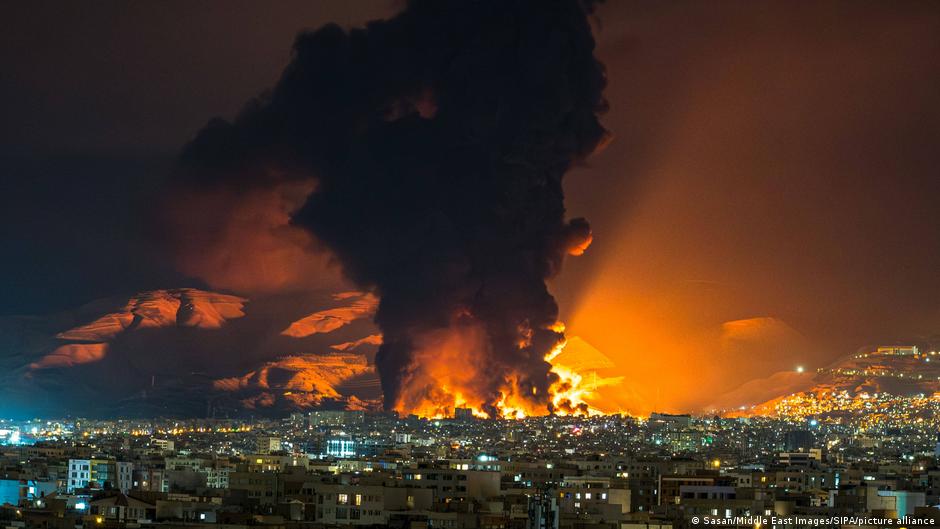
US strikes on Iran's infrastructure heighten risks of oil supply disruptions, driving up energy costs and impacting household budgets and investors worldwide.

The US is negotiating to restore an Iraq-Syria oil pipeline to bypass the Strait of Hormuz, aiming to stabilize energy supplies and ease global household energy costs.

US strikes on Iran have closed the crucial Strait of Hormuz, threatening global oil supplies and raising energy costs that impact household budgets and everyday investors worldwide.

Russia's closure of the Azov-Don Canal after drone attacks disrupts grain exports, driving up wheat prices and posing risks to household budgets and commodity markets.

Iran’s leader’s death and rising conflicts threaten household budgets, savings, and currency stability amid a fragile political transition.

Renewed US-Iran military strikes and sanctions threaten Strait of Hormuz shipping, risking higher oil prices and increased costs for households and investors worldwide.

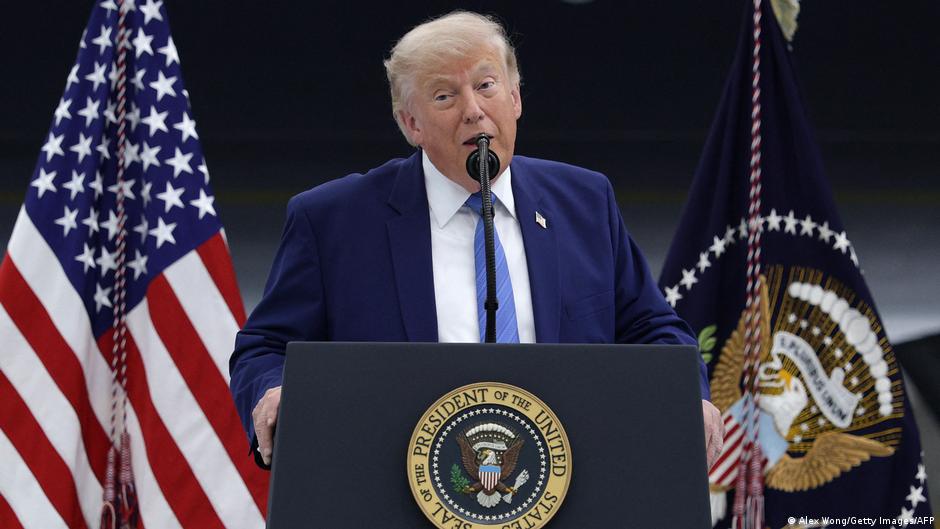
President Trump praises Zelensky amid the Ukraine war, highlighting impacts on household budgets, currencies, and market volatility affecting consumers and investors globally.

The US may charge fees for passage through the Strait of Hormuz if Iran deal fails, risking higher oil prices and impacting household budgets and currency markets worldwide.

The reopening of the Strait of Hormuz after a US-Iran peace deal could stabilize oil prices, easing fuel costs and benefiting household budgets globally.

European leaders welcome the US-Iran peace deal as a move to stabilize energy markets, potentially easing household energy costs and inflation worldwide.

Drone attacks on Russian chemical and oil facilities risk disrupting supply chains and raising costs for households and investors, affecting food, energy, and transportation prices.

US strikes on Iran near the Strait of Hormuz raise the risk of higher oil prices, impacting household budgets, savings, and currency stability worldwide.

Ukraine apologized to Greece after an explosive naval drone was found near Lefkada, highlighting risks to regional maritime safety and energy supply chains impacting household budgets.

Escalating conflict in the Middle East threatens currency stability and market confidence, affecting household budgets and everyday investors worldwide.

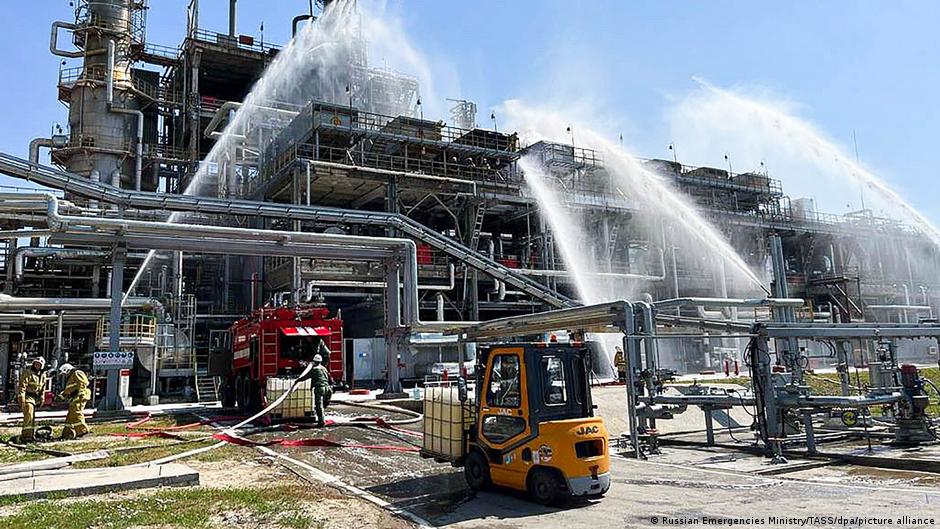
Drone strikes on oil facilities in Russia's Rostov and Saratov regions have sparked fires and damaged infrastructure, posing risks to fuel supply and household budgets.

The EU postpones appointing a negotiator with Russia, focusing on sanction strategies that impact European households' finances and market stability.

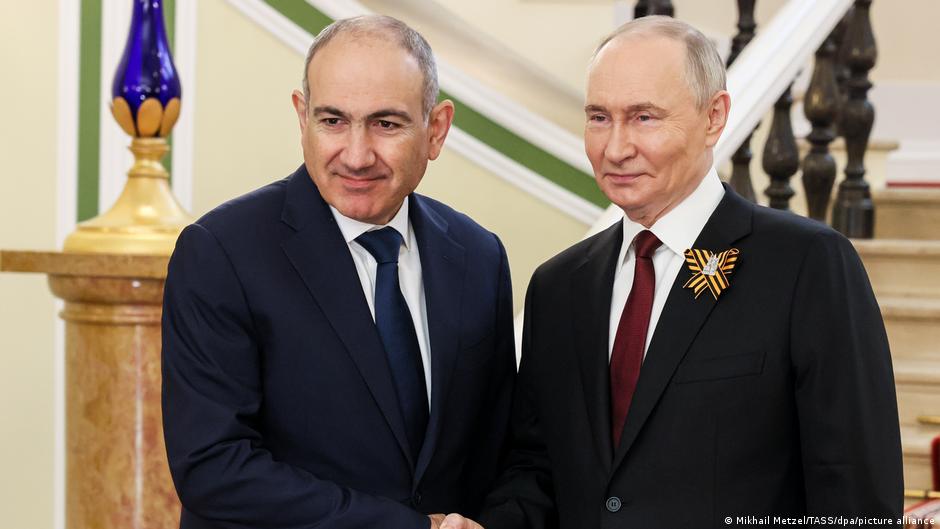
Russia’s threat to suspend duty-free gas and fuel exports to Armenia could drive up household energy costs and disrupt consumer markets amid Armenia’s EU integration efforts.

North Korea's missile tests heighten geopolitical risks, impacting currency stability, commodity prices, and everyday household finances worldwide.

US military strikes on Iran escalate geopolitical tensions, risking volatility in markets and currencies that affect household budgets, savings, and consumer costs globally.

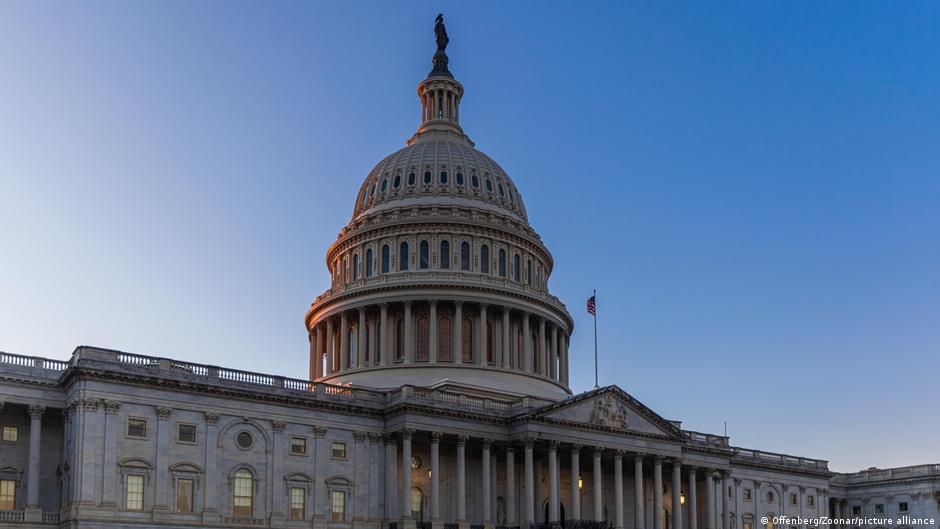
The US Senate advances a resolution to restrict military actions against Iran, with significant impacts on household budgets, currency markets, and consumer investments.

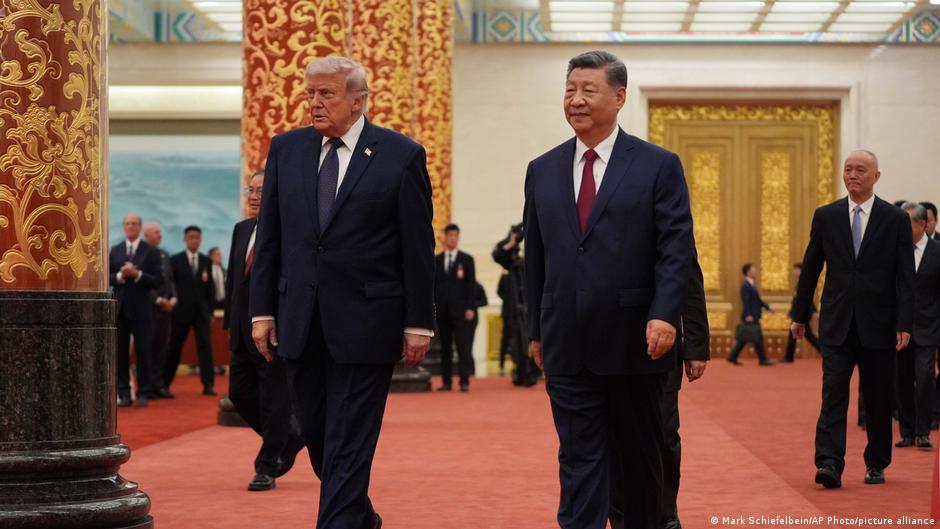
China's renewed interest in purchasing U.S. oil and soybeans could influence commodity prices and impact American household budgets and markets.

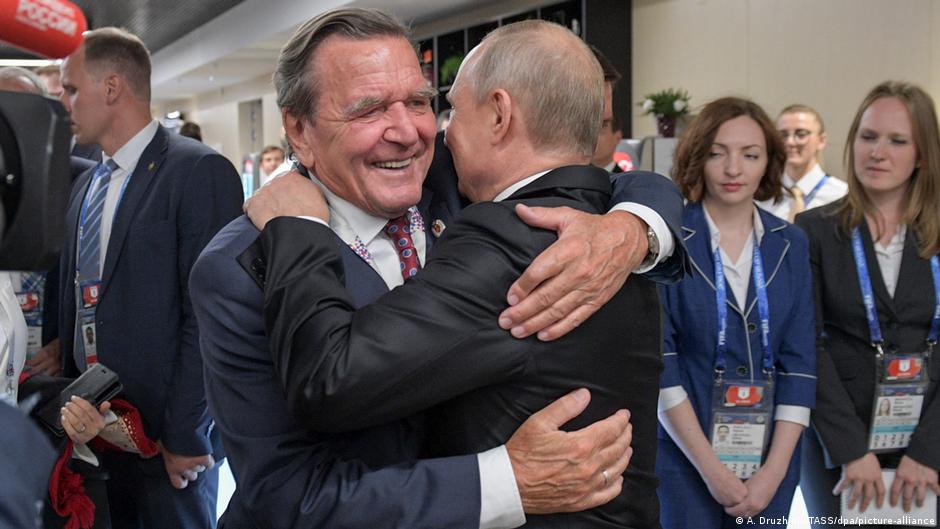
Putin names former German Chancellor Schröder as preferred EU negotiator in Ukraine talks, potentially impacting energy prices, currencies, and household budgets across Europe.

Global oil reserves fell by a record 200 million barrels in April amid Middle East tensions, signaling higher fuel costs and economic pressure on households and investors worldwide.

Iran’s missile and drone strikes on the UAE escalate regional tensions, threatening global energy supplies and raising costs that impact household budgets and investors.

Iran's proposed 14-point peace plan could influence global oil prices and market volatility, with direct effects on household budgets, savings, and everyday investors worldwide.

US plans to raise auto tariffs on EU imports threaten Germany’s economy, potentially triggering a 2026 recession with significant impacts on household budgets and consumer prices.

Oil prices surged over 7% amid US-Iran tensions, pressuring household budgets, savings, and currencies worldwide due to potential long-term supply disruptions.

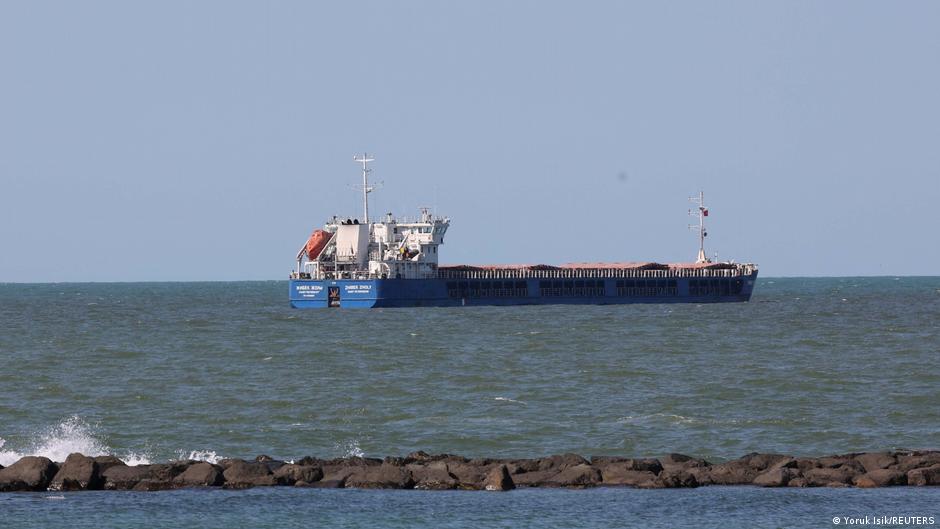
Israel's acceptance of a Russian ship with allegedly seized Ukrainian grain has raised diplomatic tensions, with implications for global grain markets and household food costs.

Turkey is pushing to restart Russia-Ukraine peace talks, a move that could ease inflation and market volatility impacting household budgets and investors globally.

Italian Prime Minister Meloni's dispute with Russian media highlights risks to household budgets, savings, and currency stability amid rising geopolitical tensions.

The US Senate rejected a resolution to end the war with Iran, maintaining broad presidential war powers and raising concerns over impacts on household budgets, currencies, and investors.