Iranian Forces Attack Oil Tanker Near Strait of Hormuz, Threatening Global Energy Supply
Iran’s Revolutionary Guard Corps vows to block unauthorized ships in the Strait of Hormuz, escalating risks for oil shipments and impacting global fuel prices.
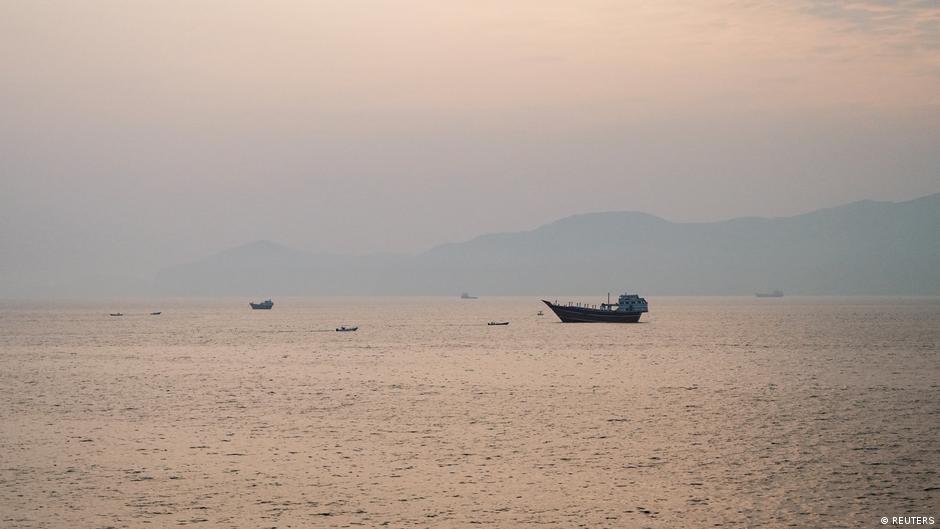
The Iranian Revolutionary Guard Corps (IRGC) has claimed responsibility for mining and attacking an oil tanker that attempted to cross the Strait of Hormuz without Tehran's consent. This incident heightens tensions in a region critical to global energy supplies and poses new challenges for household budgets and investors worldwide.
Strategic Blockade Escalates Risks to Oil Transit
According to reports from the Iranian news agency Tasnim on July 23, three oil tankers tried to navigate a heavily mined route south of the Strait of Hormuz, reportedly under U.S. military influence. After a mine explosion caused a severe fire on one tanker, the other two vessels turned back. The IRGC warned it will continue blocking the strait until perceived aggressive U.S. actions cease, threatening any vessel attempting to pass without Iranian approval with similar consequences.
“Any ship trying to cross without Iran’s consent will suffer the same fate as the mined tanker,” stated the IRGC.
The targeted tanker, identified as Kavomaleas, is linked to Greek shipping magnate Georgios Prokopiou. Satellite images from the European Space Agency show the damaged vessel being towed within Iranian territorial waters near Larak Island, with smoke visible from its engine room following an attack on July 19. The tanker was reportedly hit by two shells while traveling from Oman toward the Persian Gulf, causing the crew to evacuate and sparking a fire.
Analysts and the Financial Times suggest a high probability that Iran has seized the tanker. It was set to pick up more than 500,000 barrels of oil in the Persian Gulf. The owners, Dynacom, denied authorizing any vessel movements and are currently investigating the tanker’s whereabouts.
Implications for Energy Markets and Household Budgets
The Strait of Hormuz is a critical chokepoint through which approximately 20% of global oil trade passes. Disruptions here can trigger spikes in oil prices, directly affecting fuel costs for consumers worldwide. As geopolitical tensions escalate, markets may see increased volatility, complicating budgeting for households already coping with inflationary pressures.
For everyday investors, particularly those holding energy stocks or commodities, these developments signal heightened risk. Supply uncertainties could cause price swings, impacting portfolios tied to oil and natural gas. Moreover, currencies of oil-importing countries may weaken as import bills rise, potentially eroding savings and purchasing power.
The ongoing conflict between the U.S., Israel, and Iran has already seen 45 vessels attacked, with Kavomaleas representing the third tanker reportedly seized by Iran. Such events contribute to a precarious environment for international shipping and global economic stability.
Looking Ahead
Consumers and investors should monitor developments in the Strait of Hormuz closely, as disruptions to oil flow could affect energy prices and economic conditions beyond the immediate region.