US-Iran Conflict Enters Tenth Day Raising Concerns for Global Energy Costs and Household Budgets
Ongoing US military strikes on Iran's missile and drone sites amid rising tensions threaten fuel prices and economic stability for consumers worldwide.
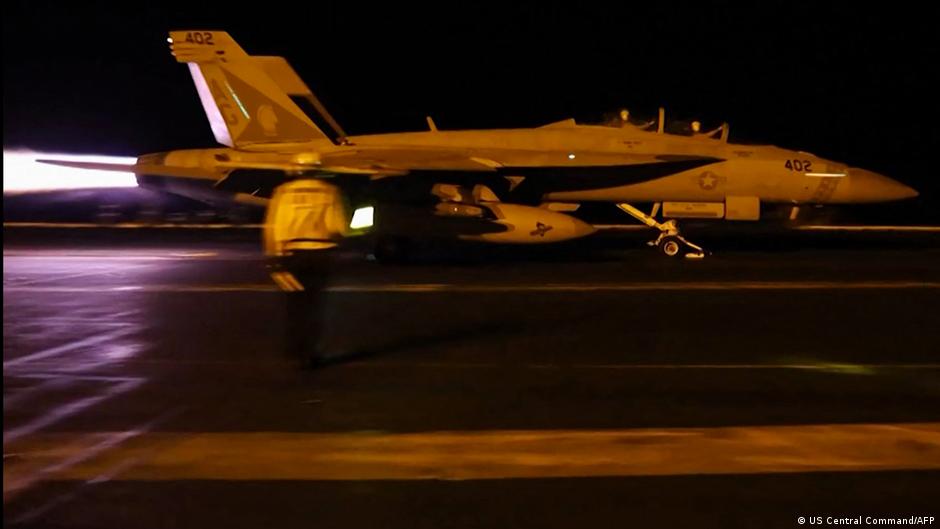
The United States has sustained a series of military attacks against Iran for the tenth consecutive day, targeting Iranian air defense systems and launch sites for missiles and drones. The escalating conflict between the two nations has sparked worries about its impact on global energy markets and the resulting strain on household budgets.
Military Escalation and Its Economic Ripple Effects
On July 20, the US Central Command (CENTCOM) announced a new wave of strikes beginning at 4 p.m. Eastern Time (10 p.m. Central European Time), aimed at weakening Iran's military capability, which the US alleges is used to attack civilian shipping vessels in the strategically vital Strait of Hormuz.
These strikes targeted Iranian command centers, missile and drone launch sites, and air defense systems. In response, Iran conducted retaliatory drone and missile attacks on countries hosting US military bases, including Kuwait and Jordan.
“Each time Iran kills an American soldier, it will pay multiple times over,” stated then-President Donald Trump, emphasizing the US commitment to military retaliation.
Since this renewed conflict began in late February, CENTCOM has reported a total of 17 US military deaths, 3 of which occurred during the latest escalation. Iran’s Revolutionary Guard also claimed the seizure and destruction of two oil tankers near the Strait of Hormuz, a crucial maritime passage for global oil shipments.
Shipping traffic through the Strait has decreased significantly amid the hostilities, with only four vessels passing on July 19 compared to eight the previous day. This reduction heightens concerns over disruptions in oil supply routes, potentially driving up fuel prices worldwide.
Implications for Consumers and Investors
The Strait of Hormuz is a critical chokepoint through which approximately 20% of the world’s petroleum passes. Military conflicts affecting this region typically cause volatility in oil and gas prices, which directly influences transportation, heating, and electricity costs globally.
For everyday consumers, this translates into higher prices at the gas pump, increased utility bills, and elevated costs for goods reliant on fuel-intensive supply chains. Households with tight budgets may face financial strain as energy expenses consume a larger share of their income.
Moreover, the uncertainty generated by the conflict fuels currency fluctuations and unsettles financial markets. Investors may see increased volatility in energy stocks, commodities, and currencies of oil-exporting nations. Those holding savings in these markets or invested in mutual funds tied to energy sectors should monitor developments closely.
Experts suggest that in times of geopolitical tension affecting energy supplies, consumers might consider reducing discretionary travel, improving home energy efficiency, and reevaluating investment portfolios to mitigate risks associated with commodity price swings.
As the conflict continues, the potential for further supply disruptions remains a key concern, making it imperative for households and investors to stay informed and prepared for possible economic impacts.