China's Renewed Interest in U.S. Oil and Soybeans Could Affect American Households and Markets
China signals plans to increase purchases of U.S. oil and soybeans, with potential impacts on commodity prices and consumer budgets in the United States.
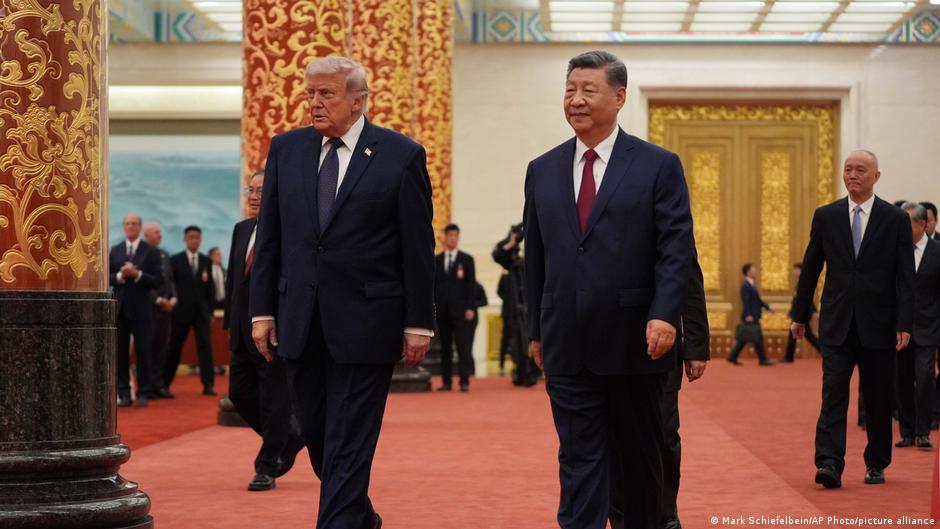
Following high-level talks in Beijing, former U.S. President Donald Trump revealed that China has expressed interest in buying American oil and soybeans once again. This development marks a potential shift in trade dynamics after years of strained relations and could have tangible effects on household finances, agricultural sectors, and energy markets in the United States.
Trade Developments and Consumer Implications
During an interview with Fox News, Trump stated that Chinese President Xi Jinping indicated a willingness to renew substantial purchases of U.S. crude oil and soybeans. These commodities had seen diminished demand from China since the onset of the U.S.-China trade war that began in 2018, which led Beijing to reduce imports from the U.S. and increase reliance on suppliers like Brazil for soybeans.
For American consumers, increased Chinese demand for oil could influence gasoline prices domestically. Higher export volumes might tighten supply in the U.S. market, potentially raising fuel costs at the pump. Similarly, renewed soybean exports could affect prices for soy-based food products and animal feed, which in turn impacts grocery expenses.
“China's renewed interest in U.S. oil and soybeans may offer relief for American farmers and energy producers, but consumers should monitor possible price shifts in everyday goods and fuel,” industry analysts note.
Energy prices have a direct effect on household budgets beyond fueling vehicles—heating costs, transportation, and goods pricing are all linked. The agricultural sector, particularly soybean farmers, could see improved revenue prospects if exports rebound, potentially boosting rural economies and local employment.
Broader Economic and Political Context
Trump also touched upon geopolitical factors influencing trade. He noted that China remains a significant buyer of Iranian oil, a key point in ongoing international tensions. The former president suggested that Xi Jinping could leverage his influence over Iran to facilitate peace negotiations and stabilize the region, which might indirectly benefit global markets.
Such geopolitical shifts can affect currency markets and inflation rates, factors that household investors and consumers alike should watch closely. For instance, changes in oil supply from Iran linked to Chinese involvement could impact global oil prices, affecting U.S. inflation and purchasing power.
Overall, the prospect of China increasing its imports of U.S. commodities could signal easing tensions and open new economic opportunities. However, it also introduces variables that will require consumers and investors to stay informed about market trends and policy developments.
As international trade negotiations evolve, the ripple effects on everyday finances—from grocery bills to energy expenses—underscore the interconnectedness of global diplomacy and personal economics.