Ukraine Talks Could Shape Household Energy Bills and Investor Risk
Possible Ukraine talks in Abu Dhabi or Switzerland could affect sentiment around energy bills, currencies and household investments, but no breakthrough is assured.
Possible Ukraine talks in Abu Dhabi or Switzerland could affect sentiment around energy bills, currencies and household investments, but no breakthrough is assured.
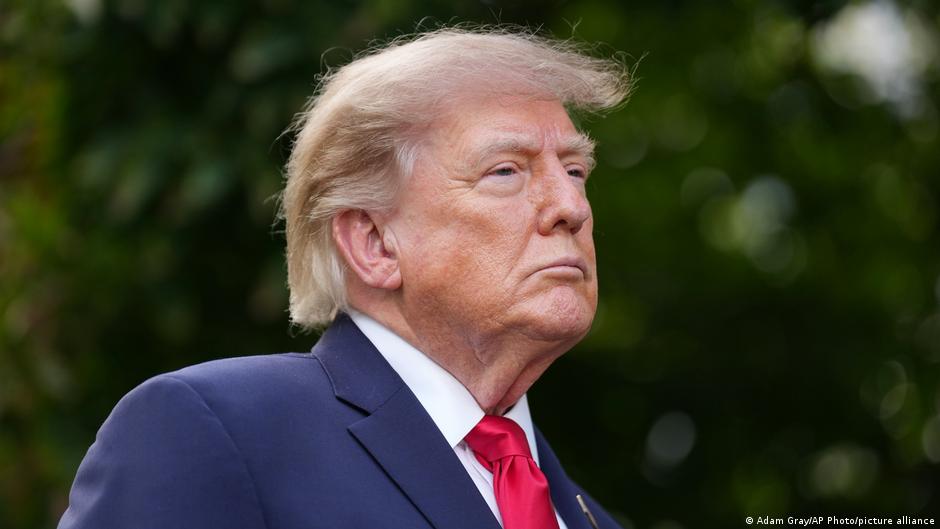
Trump says SpaceX restored full Starlink access in Ukraine, exposing policy risks for defense investments, currencies and household budgets.

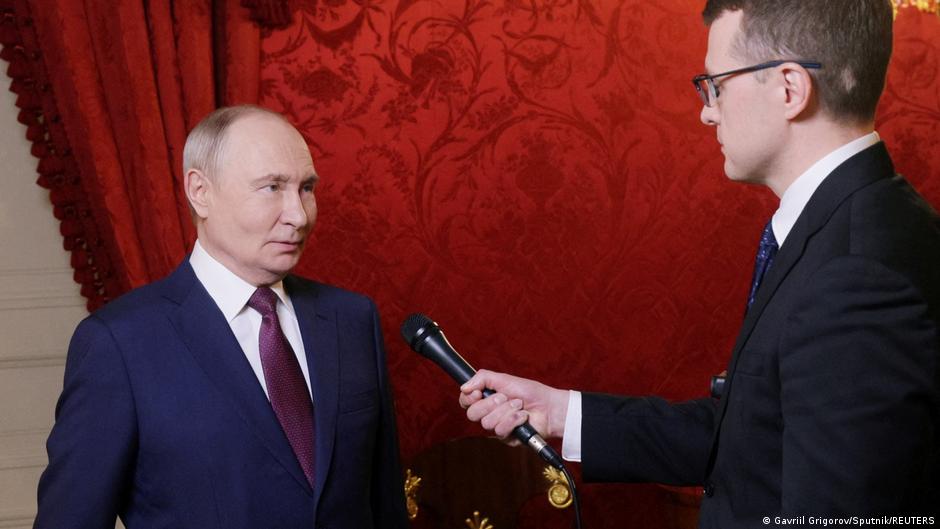
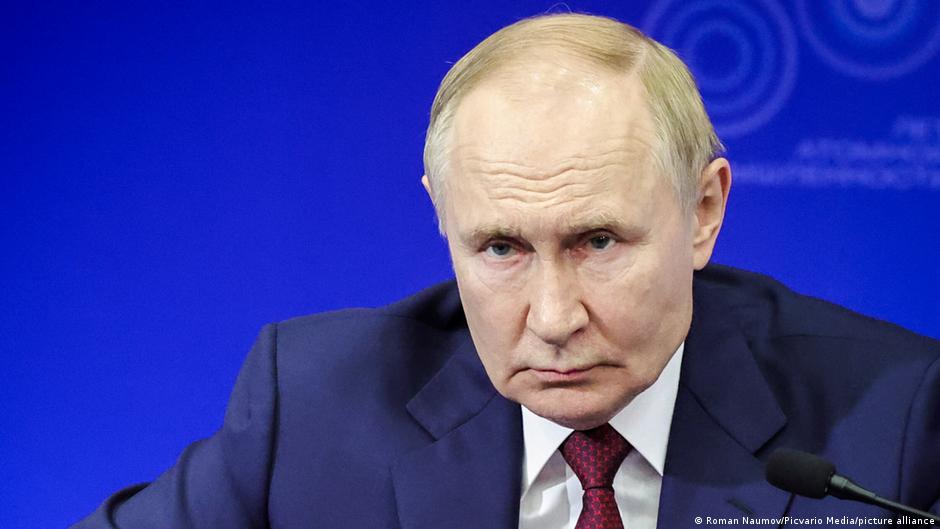
Putin backed renewed US-mediated talks with Kyiv but rejected a front-line freeze, extending uncertainty over energy bills, currencies and investments.

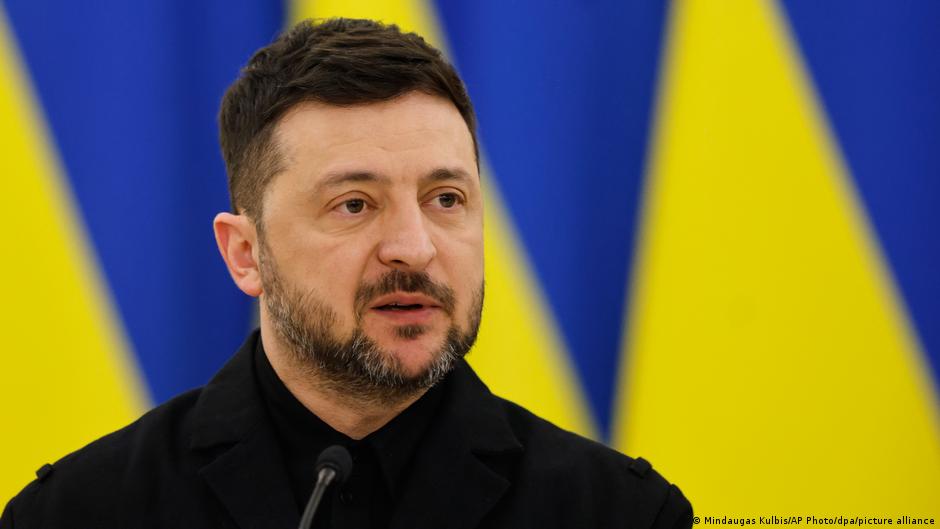
Zelensky’s claims of delayed US missile deliveries add uncertainty for European energy bills, currencies, savings and retail portfolios.

Trump postponed sweeping Russia tariffs to preserve Ukraine talks and limit Moscow’s support for Iran, leaving fuel prices, household costs and markets uncertain.

A reported US peace proposal involving renewed Russian gas supplies could affect European energy bills, inflation, currencies and household investments.

Fatal Russian strikes damaged homes and infrastructure, cut power to thousands and halted a factory, adding new pressure to Ukrainian household finances.

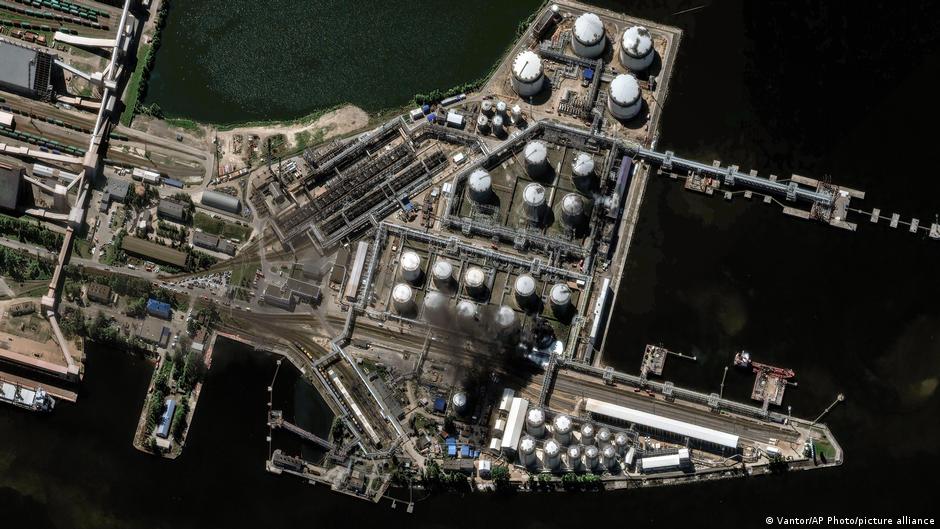
Drone strikes on St Petersburg disrupted oil, power, technology and transport infrastructure, creating potential costs for households and investors.

A suspected arson attack on a Polish Starlink station highlights the potential household and investment costs of threats to critical infrastructure.

Five drone incursions in one day deepen security uncertainty for Moldovan households, though officials reported no immediate financial-system impact.

Power and water outages in Kyiv and Lutsk are adding emergency costs for households while renewing concerns about savings, currencies and Ukrainian assets.

A bipartisan Senate group says Trump’s Russian diesel deal may not lower U.S. fuel costs while giving Moscow new war revenue.

A reported drone attack toward Moscow disrupted flights, diverted aircraft and created fresh cost risks for travelers, households and investors.

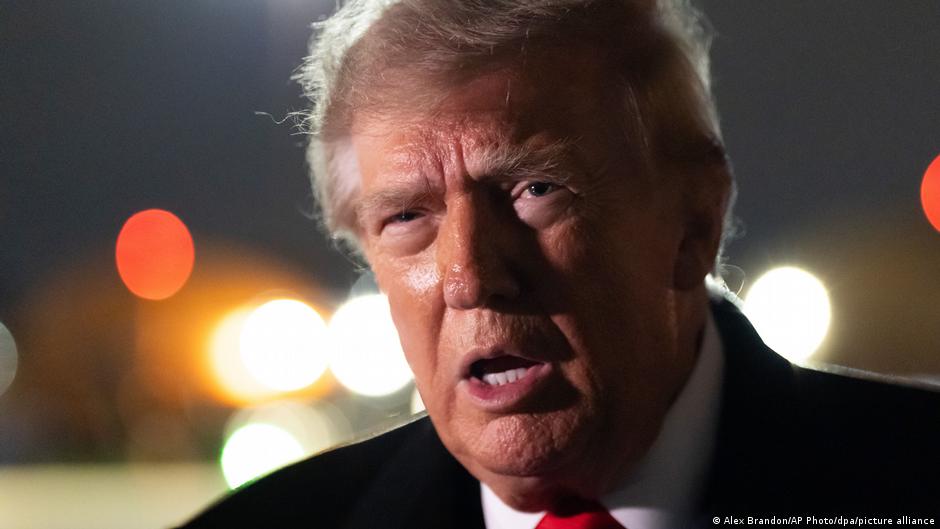
Trump’s Ukraine peace comments sharpen attention on energy risk, inflation pressures and currency volatility for households and investors.

Reported U.S. pressure on Ukraine over refinery strikes could affect fuel prices, inflation expectations, currencies and investor risk.

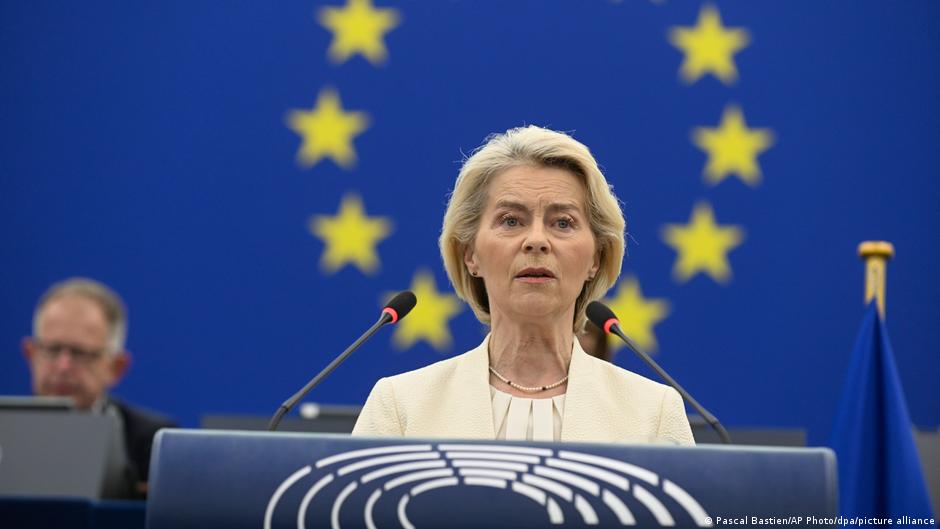
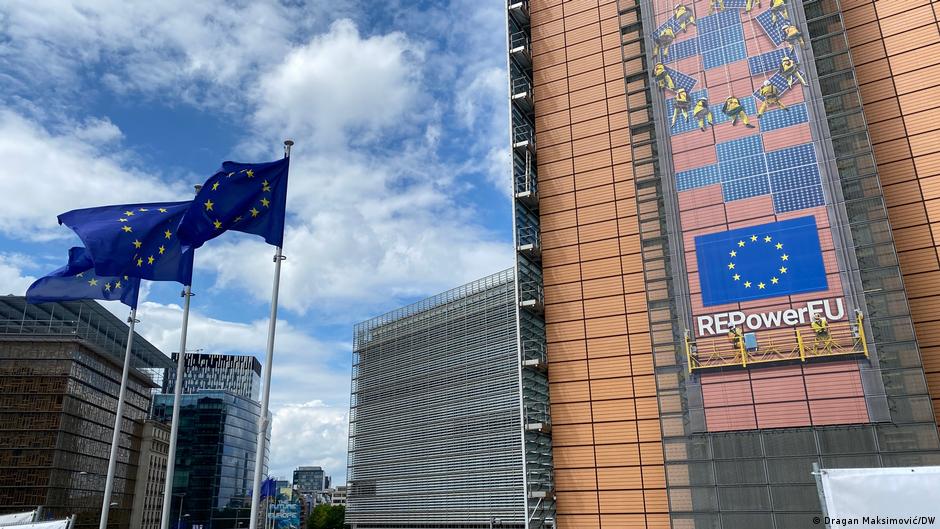
The EU plans new funding for Ukraine’s drone and missile purchases as leaders weigh broader financing needs and budget pressures.

Germany’s long-term Bürgergeld rolls are fueling debate over taxes, work incentives and the pressure welfare spending places on household budgets.

Palestinian elections were delayed to September 2027, extending political uncertainty with consequences for households, savings and investors.

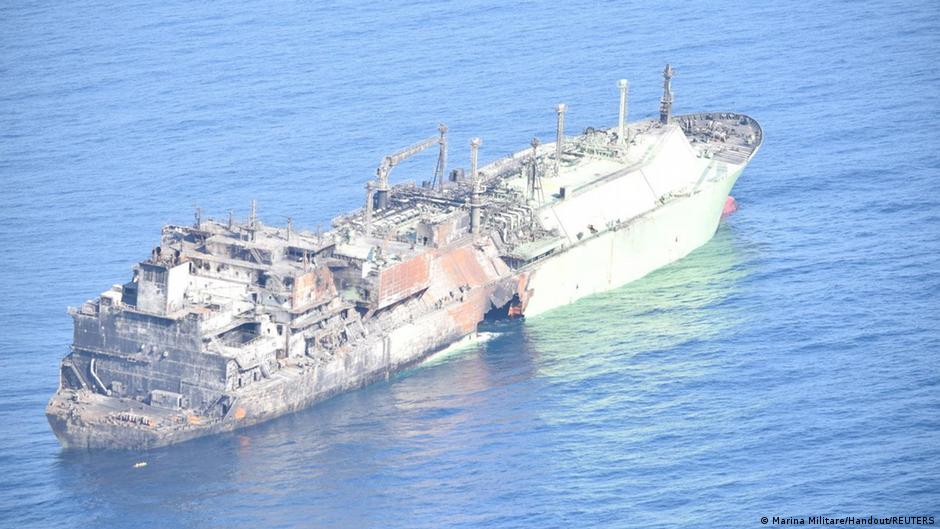
A U.S. strike disabled a cargo ship near Iran, while a tanker was hit in Hormuz, raising fresh concerns over fuel costs and household budgets.

A congressional push to ban Russian oil purchases could affect diesel supply expectations, fuel costs, inflation and energy-linked investments.

Zelensky criticized a U.S.-Russia diesel supply deal, warning that cheaper fuel flows could come at the cost of prolonging the war.

Two Latvian citizens were detained at RAF Molesworth, adding to security concerns that may shape household costs, currencies and investor sentiment.

Ukraine will discuss a new war-ending plan with Trump envoys as households and investors watch the budget, currency and market risks.

Kyiv’s mayor urged some residents to consider temporarily leaving as Russian strikes threaten water, heating, transport and household budgets.

EU lawmakers approved a €115 million defence innovation fund, raising questions for taxpayers, savers and investors watching public spending priorities.

Ukraine says 28 people were killed in a Russian missile and drone attack, renewing focus on household costs, sanctions, oil revenue and investor risk.

A tanker fire near Sochi closed Sirius beaches and highlighted how Black Sea energy risks can reach consumers through fuel, inflation and investments.

Reports from Irkutsk have drawn Trump and WHO attention, raising questions for consumers about possible energy, currency and market spillovers.

Yemen’s new offensive against the Houthis could affect households through energy prices, shipping costs and market volatility tied to the Red Sea.

A BSW lawmaker’s planned Belarus and Russia trips revive debate over local ties, defense spending and the household cost of geopolitical uncertainty.

Western plans to relocate embassies from Kyiv highlight rising winter risks for households, currencies, energy costs and investors.

Maria Kolesnikova urges the EU to pair diplomacy and sanctions to free Belarusian political prisoners and reduce Russia-linked regional risk.

North Korea’s missile launch adds geopolitical risk for Asian markets, currencies and households exposed to regional prices or investments.

Putin’s latest Valdai remarks renewed nuclear warnings and war claims, adding another layer of uncertainty for household budgets and investors.

The EU refused to advance part of a €90 billion Ukraine loan, keeping pressure on 2027 funding plans and European budgets.

A Seoul-Kyiv dispute over North Korean prisoners could affect defense expectations, currency sentiment and investor risk in Asia and Europe.

Russian strikes damaged homes, businesses and energy sites in Ukraine, triggering power limits that could raise costs for households and firms.

A voluntary Trump AI safety deal puts major tech firms in charge of safeguards, with implications for consumers, investors and future regulation.

Zelensky says North Korea may send 10,000 more troops to Russia, a risk that could prolong financial uncertainty for households and investors.

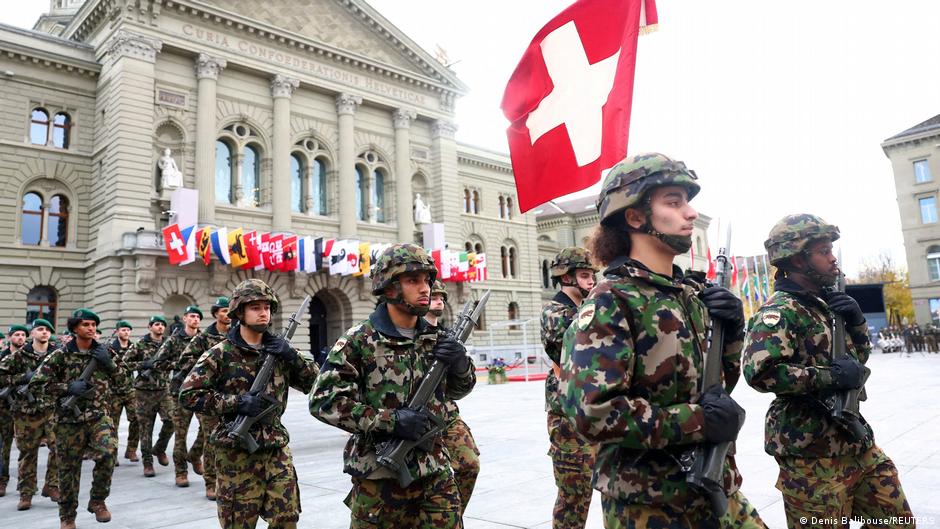
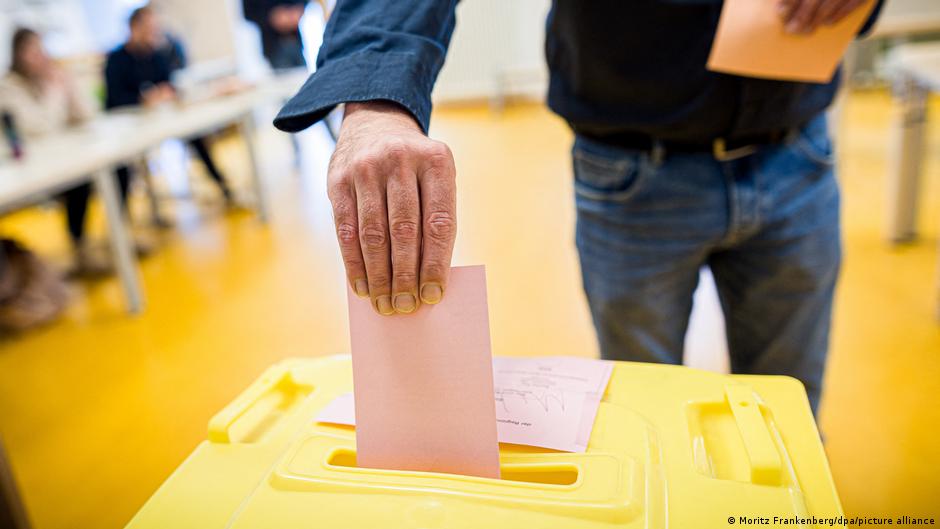
Swiss voters rejected tighter neutrality rules that would have curbed sanctions, preserving policy flexibility watched by savers and investors.

AfD lost three Lower Saxony runoff races as Greens held Hanover and won key cities, shaping local spending priorities that affect households.

Trump expects new Iran talks as the Hormuz dispute raises risks for oil prices, household budgets, currencies and everyday investors.

The EU’s new €710 million aid package targets crises abroad, with indirect implications for public budgets, currencies and household finances.

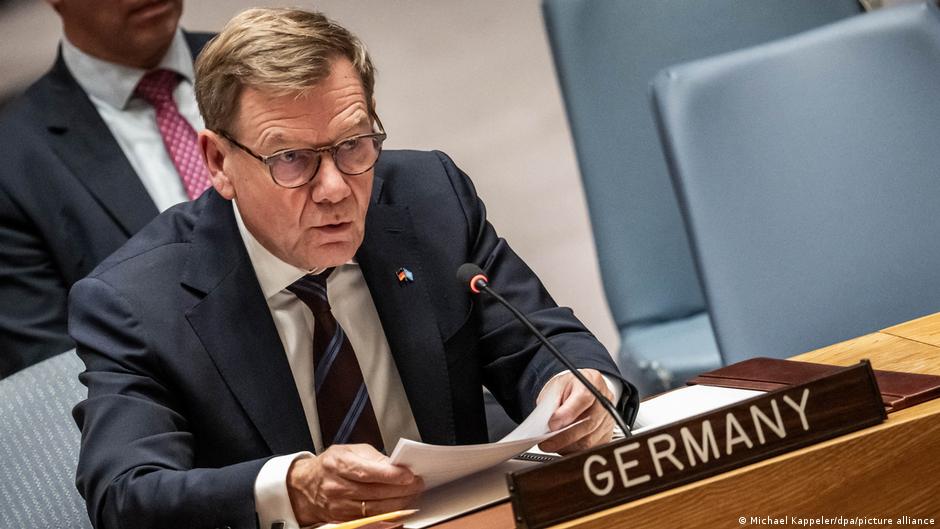
Germany says Putin’s possible G20 attendance should be judged by whether Moscow accepts a ceasefire, with sanctions and market risk in focus.

Kyiv denied a report that Trump urged Zelensky to meet Putin in Moscow as energy talks and diesel prices keep the war tied to household costs.

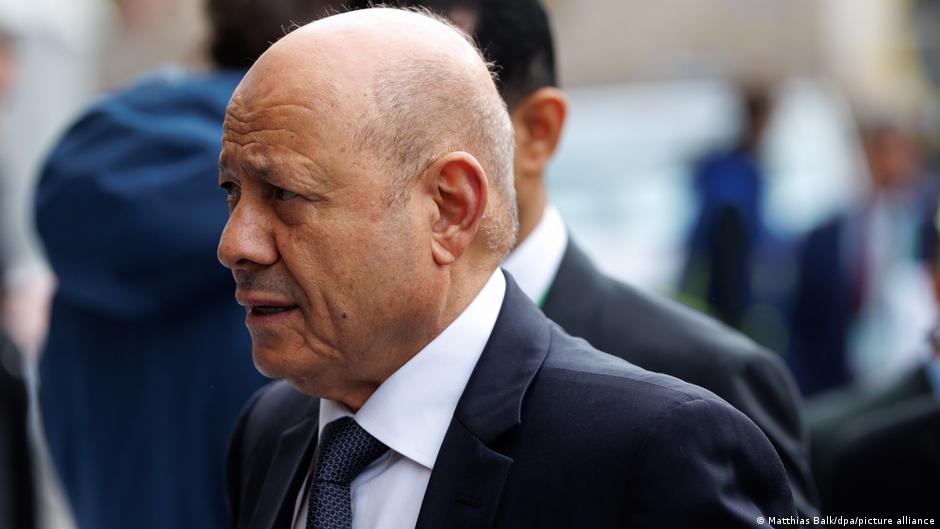
Yemen’s mobilization call comes as Houthi advances threaten key waterways, oil exports and energy costs that can hit household budgets.

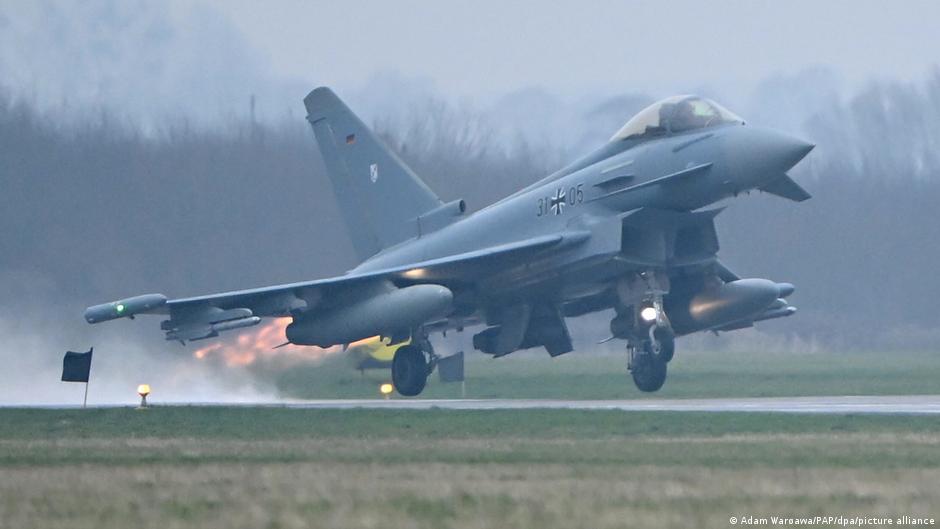
Germany’s Eurofighter deployment to Latvia highlights how Baltic security risks can affect budgets, savings and investor confidence.

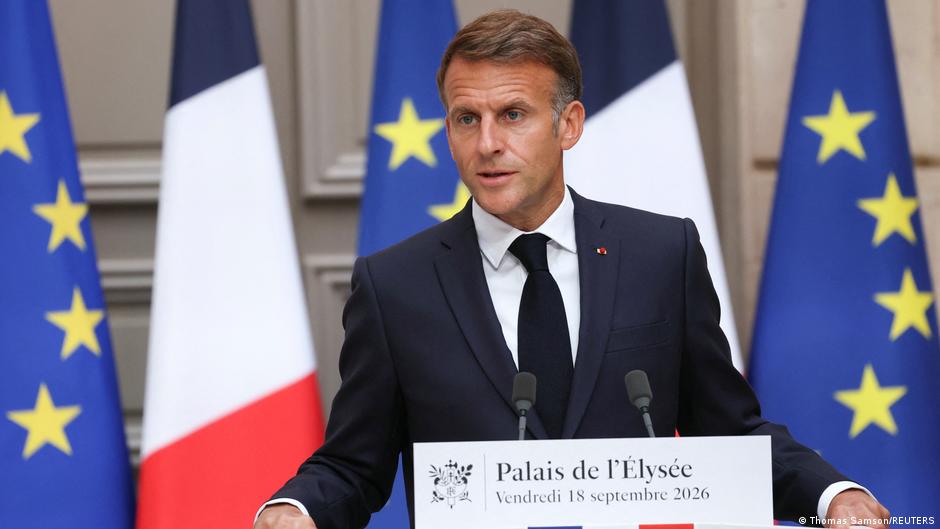
Macron says France sees a Russian mobilization of around 300,000 people as credible, raising risks for European budgets, markets and consumers.

Russia’s expanding ship registry could add uncertainty to energy markets, with possible effects on household fuel costs, inflation and investor risk.

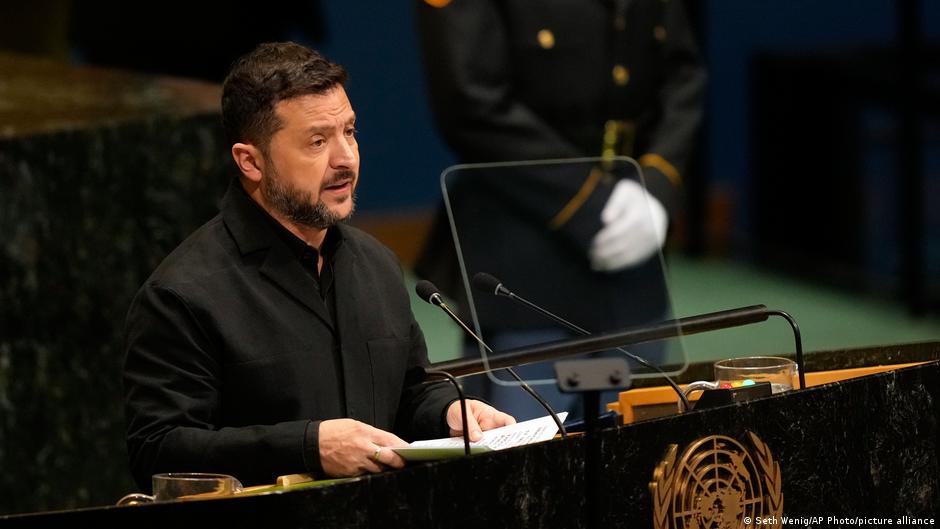
Zelensky’s UN speech tied Russia’s war capacity to energy risks, winter heating pressure and the market uncertainty facing households and investors.