Starlink Arson Probe in Poland Raises Risks for Household Finances
The investigation highlights how alleged sabotage of communications infrastructure can create wider costs for consumers, businesses and investors.
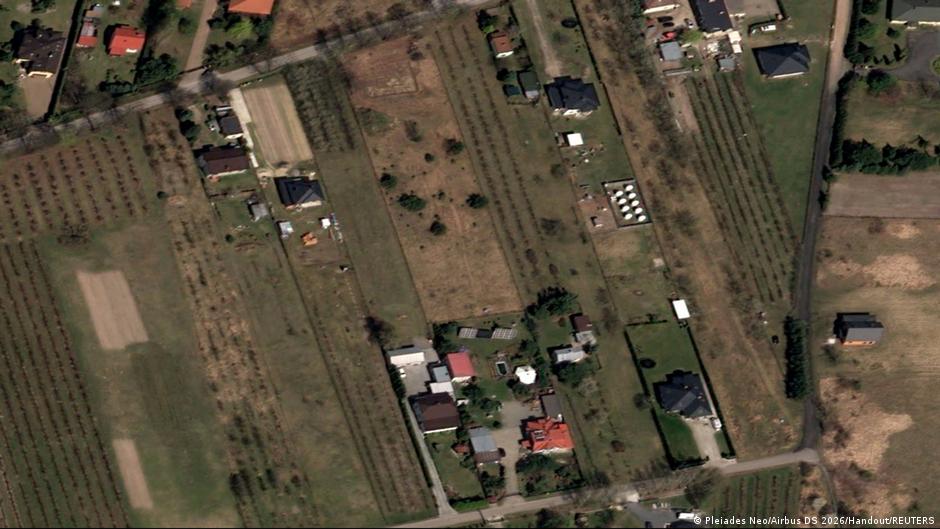
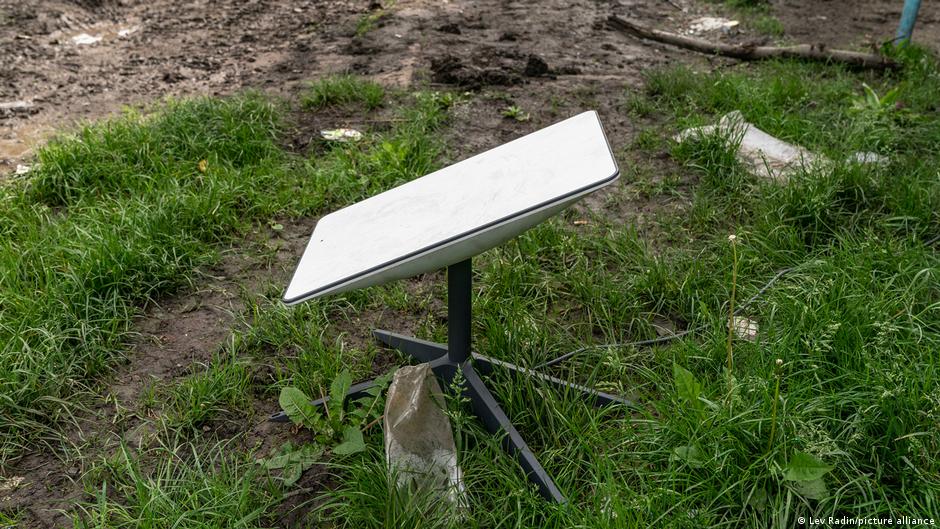
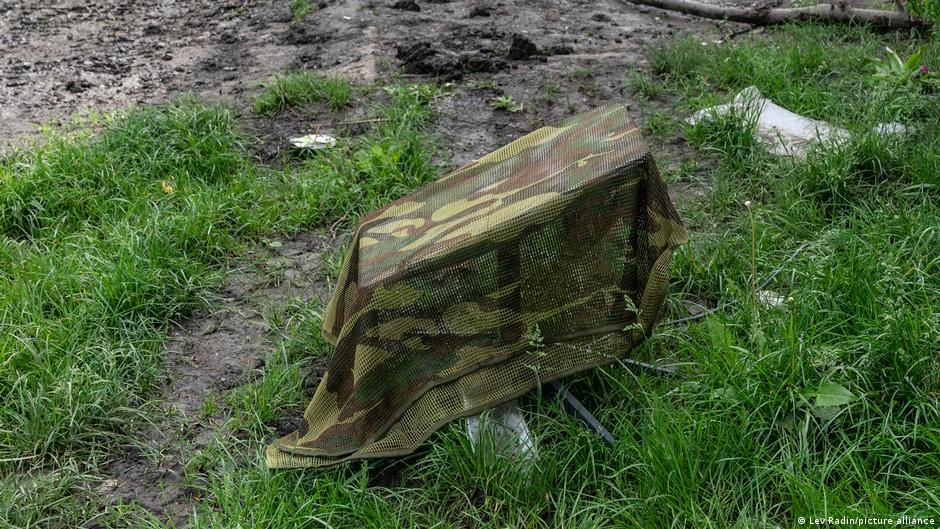
A suspected arson attack on a Starlink ground station near Warsaw is drawing scrutiny beyond Poland’s security establishment, as investigators examine whether an organized crime group acted on behalf of Russian intelligence services. For households and everyday investors, the case underscores the financial risks created when essential communications and energy infrastructure becomes a target.
German magazine Der Spiegel reported, citing sources in several countries, that the Turkish criminal organization known as the Daltons may have been involved in the fire. The group has for years engaged in extortion, arms trafficking and contract killings, including in Germany, according to the report.
The station, located in the village of Wola Krobowska about 50 kilometers from Warsaw, was damaged in an arson attack on September 23. The fire affected an electrical substation and a generator. German tabloid Bild reported that the facility briefly stopped operating before returning to service. No injuries were reported.
Why infrastructure attacks matter to household budgets
Even a short interruption can expose the economic dependence of households and businesses on communications networks. Satellite connections can support commercial activity, remote services and backup communications when terrestrial systems are unavailable. Damage to power equipment also brings repair, security and insurance costs, which can ultimately be absorbed by operators, customers, taxpayers or a combination of all three.
The incident did not produce a prolonged shutdown, and the available reports do not identify any increase in consumer prices or direct losses for Starlink customers. Still, repeated attacks on infrastructure could force companies and public authorities to spend more on physical protection, backup generators, surveillance and insurance. Those expenses can place pressure on service fees, government budgets and the finances of businesses that rely on stable connectivity.
For savers and retail investors, the immediate lesson is less about trading on a single incident and more about recognizing geopolitical risk. Sabotage allegations can affect sentiment toward telecommunications, energy and defense-related assets, while heightened regional uncertainty can contribute to currency volatility. The report provides no evidence that the fire itself caused measurable moves in the Polish zloty, the euro or financial markets.
Suspects detained in Germany
Two Turkish citizens detained on October 12 in Nürtingen, Germany, as part of the investigation were identified by Der Spiegel as 38-year-old Ümit E. and 34-year-old Müslüm T. Representatives of several law enforcement agencies told the publication that the men either belonged to the Daltons or carried out assignments for members of the organization.
Stuttgart’s Higher Regional Court is expected to decide whether the two men should be extradited to Poland. Two additional people, including a woman, were detained on October 13 during the investigation. Polish radio station RMF FM reported that an anti-terrorism operation was conducted in Berlin to arrest the woman. Investigators’ preliminary theory is that she may have provided logistical assistance to the Turkish citizens and served as their driver.
Alleged Russian connection remains unproven
Der Spiegel reported that the Daltons may have acted at the direction of Russian intelligence services. The magazine pointed to the detention in Russia in 2024 of Beratcan Gökdemir, described as the group’s suspected leader. Turkey requested his extradition, but Russian authorities did not hand him over to Ankara.
According to Der Spiegel, German intelligence services believe Moscow may have protected Gökdemir in anticipation of receiving services in return. His current location is unknown. The report does not establish that such an arrangement existed or that Russian authorities ordered the Starlink station attack.
Polish authorities described the fire as an attempted act of sabotage, while stressing that direct evidence of Russian involvement had not been established.
On September 23, Polish Deputy Prime Minister Krzysztof Gawkowski said that although there was no direct evidence connecting Russia to the arson, “many signs indicate that what happened fits the new Russian doctrine of conducting attacks.”
The distinction between suspicion and proof is important for consumers and investors assessing geopolitical headlines. Investigations involving intelligence services, organized crime and cross-border extradition can take time, and early claims may change as courts and prosecutors review evidence.
Financial exposure extends beyond the damaged site
The fire’s direct physical impact appears to have been limited, but the wider financial exposure lies in the possibility of similar incidents. Households can be affected indirectly when governments redirect funds toward infrastructure security, insurers reassess risks, or businesses pay more to maintain backup systems. Smaller companies may be particularly sensitive because communications outages can interrupt payments, online sales and customer service.
Consumers should avoid making abrupt savings or investment decisions based on an unresolved criminal investigation. A more practical response is to review emergency cash reserves, diversify investments across sectors and regions, and ensure that essential financial accounts can be accessed through more than one communications channel.
The extradition decision in Stuttgart and the continuing Polish investigation may clarify who organized the attack and whether it had state backing. Until then, the case remains an allegation-driven security story with potentially broader implications for the cost and resilience of services used by households and businesses.