US Lifts Sanctions on Bel-Kap-Steel Amid Political Prisoner Releases in Belarus
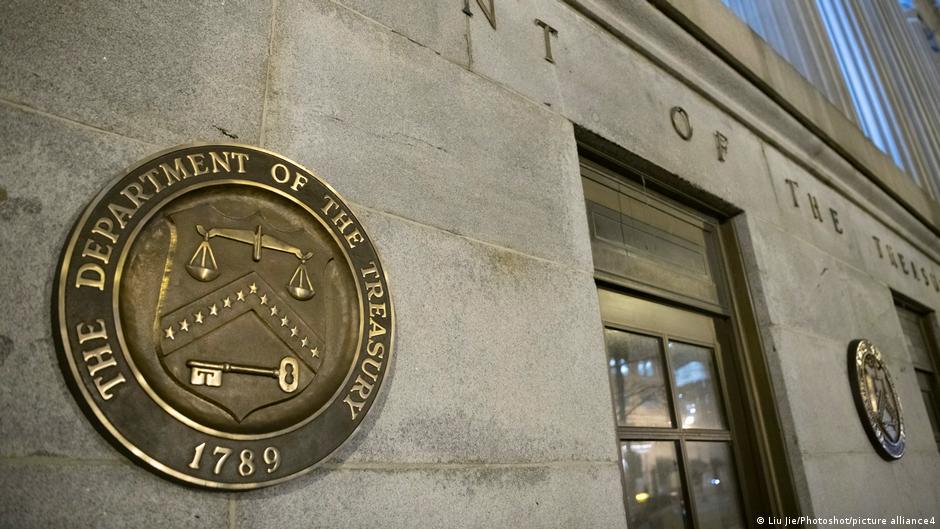
US lifts sanctions on Belarus-linked Bel-Kap-Steel amid prisoner releases, potentially easing economic pressure on households and stabilizing currency and investments.

US lifts sanctions on Belarus-linked Bel-Kap-Steel amid prisoner releases, potentially easing economic pressure on households and stabilizing currency and investments.

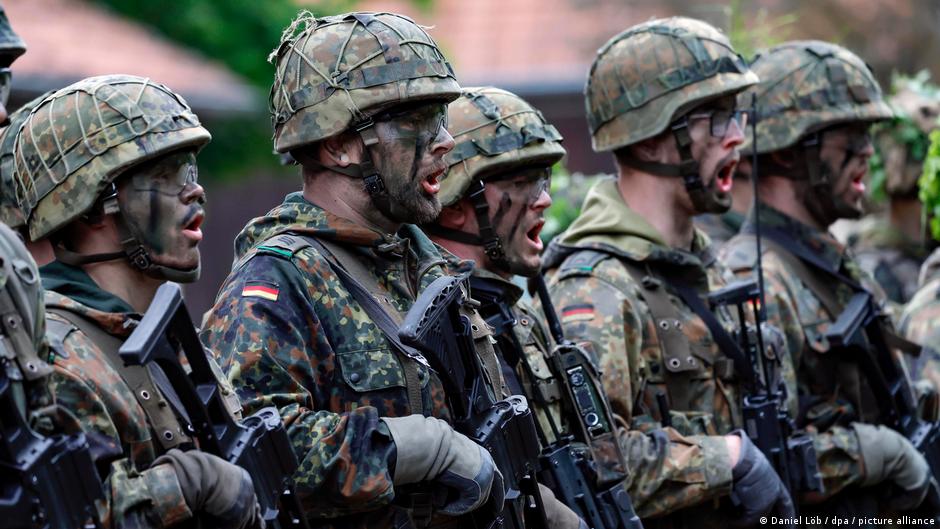
Germany plans a 25.5% defense budget increase for 2026, raising concerns over impacts on household finances, public debt, and investor markets.

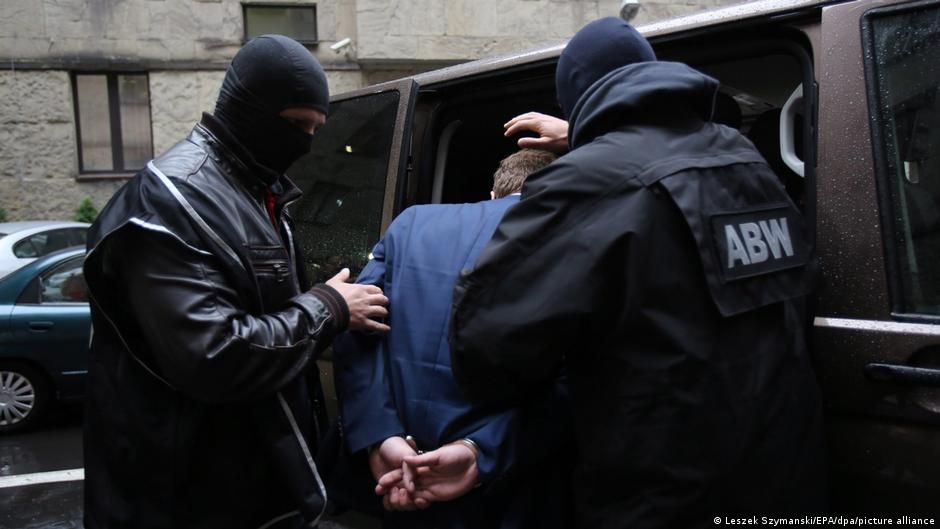
Poland deported 11 individuals accused of organizing Russia-funded protests among Ukrainian refugees, raising concerns over foreign influence and economic impact on households.

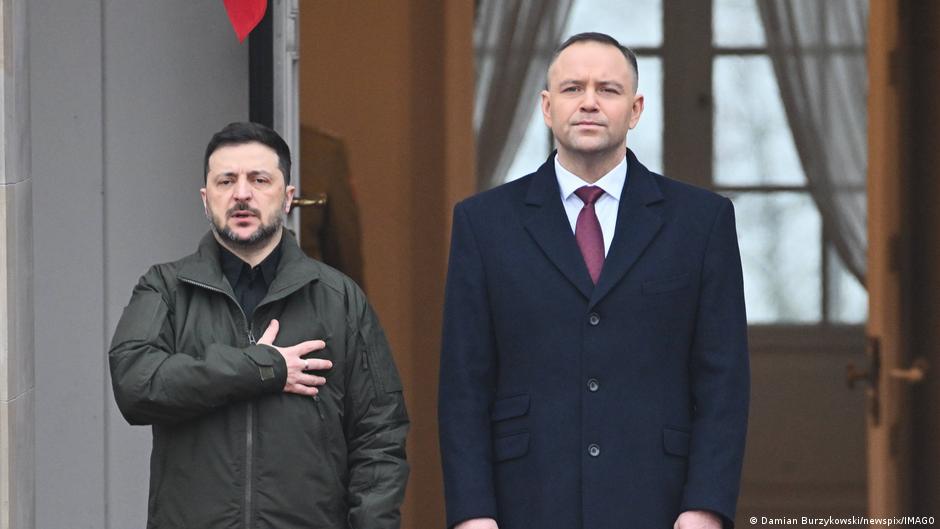
Ukraine’s new National Pantheon and Order of Europe initiatives highlight tensions with Poland that could affect household budgets, currency stability, and investor confidence.

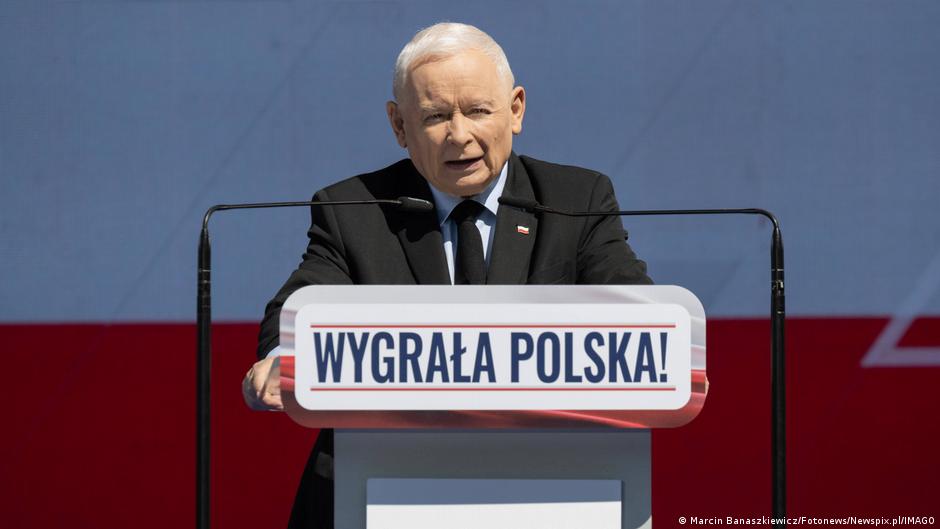
Polish opposition leader Jarosław Kaczyński calls to block Ukraine’s EU accession talks amid rising tensions that could affect consumer economies and household budgets.

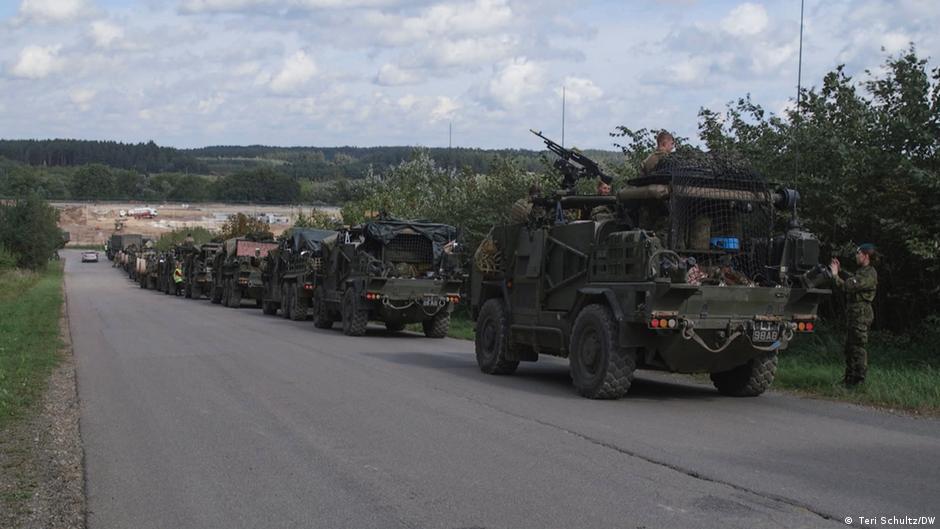
Joint military drills near the Suwalki Corridor may drive up defense spending, impacting household budgets, inflation, and local currencies in the Baltic region.

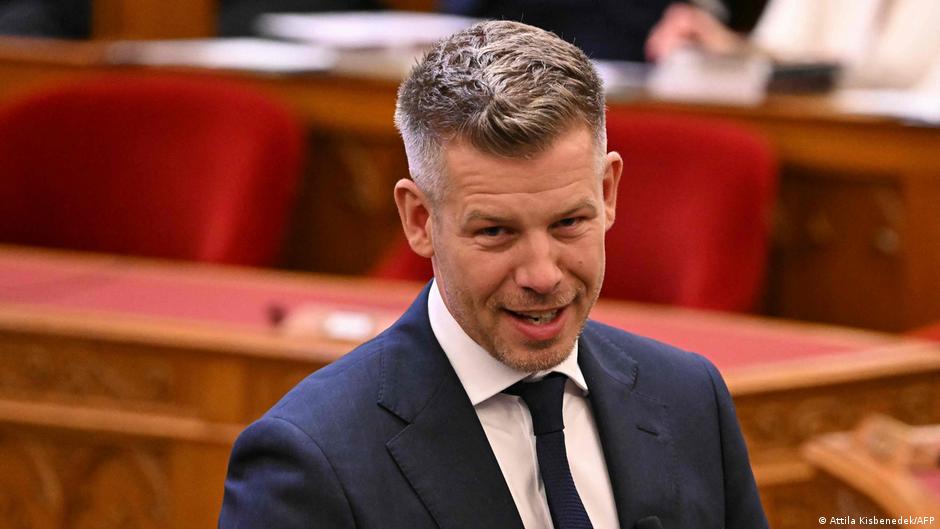
Hungary reinstates its ban on Ukrainian agricultural imports, impacting local food prices, household budgets, and regional trade dynamics amid EU tariff changes.

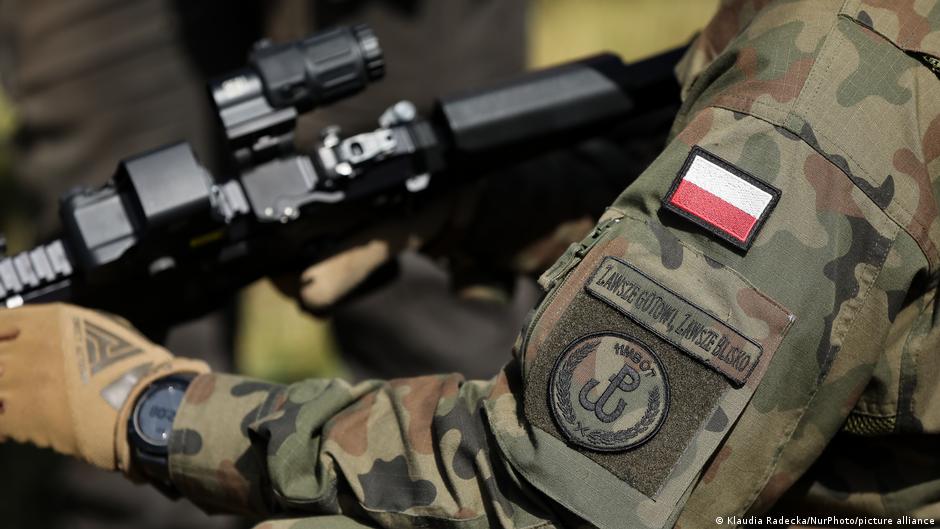
The US plans to deploy 5,000 additional troops to Poland amidst military realignments, impacting defense budgets, currency stability, and potentially household finances globally.

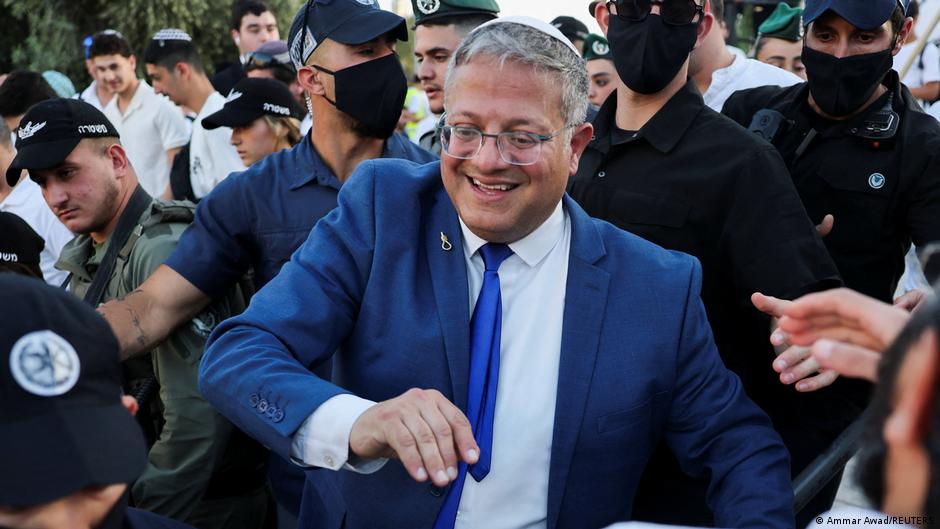
Western condemnation of Israel’s treatment of Palestinian activists highlights risks to currency stability and household finances amid rising geopolitical tensions.

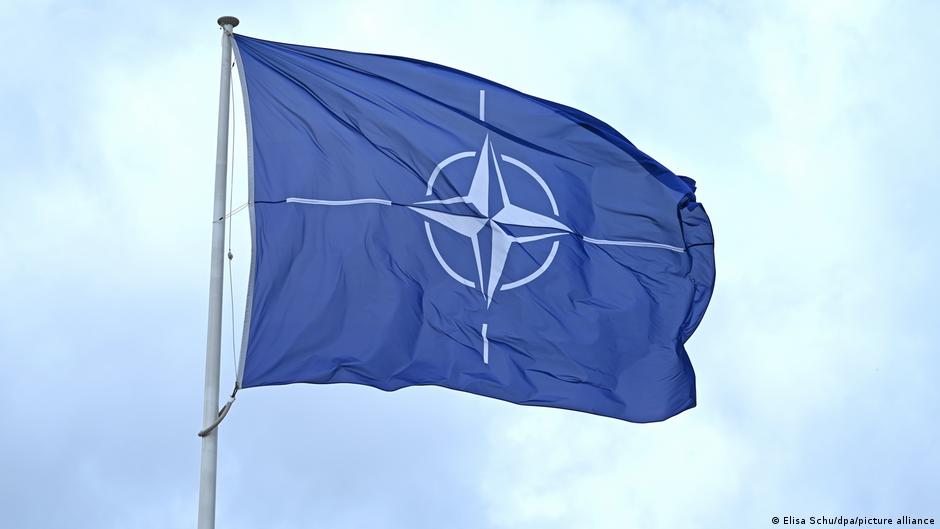
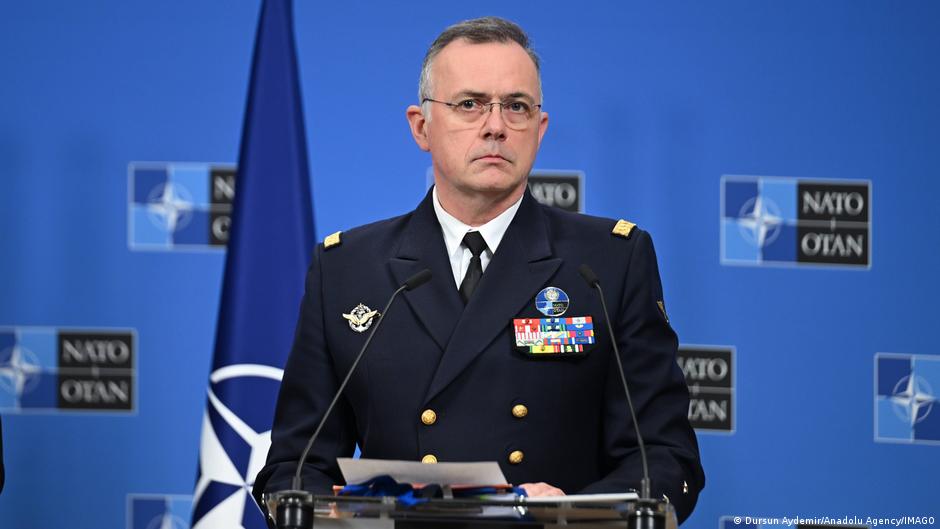
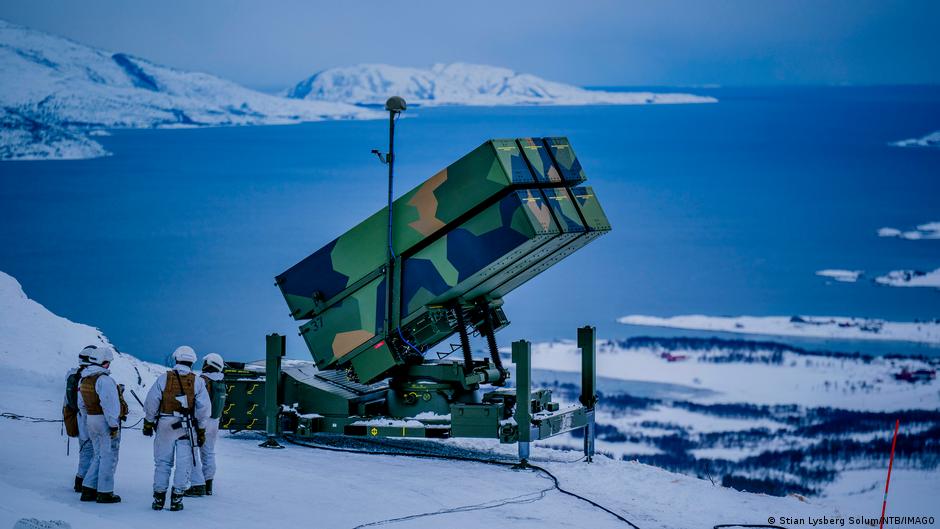
NATO confirms the steady supply of US air defense missiles to Ukraine, with implications for household budgets, government spending, and currency stability amid the ongoing conflict.

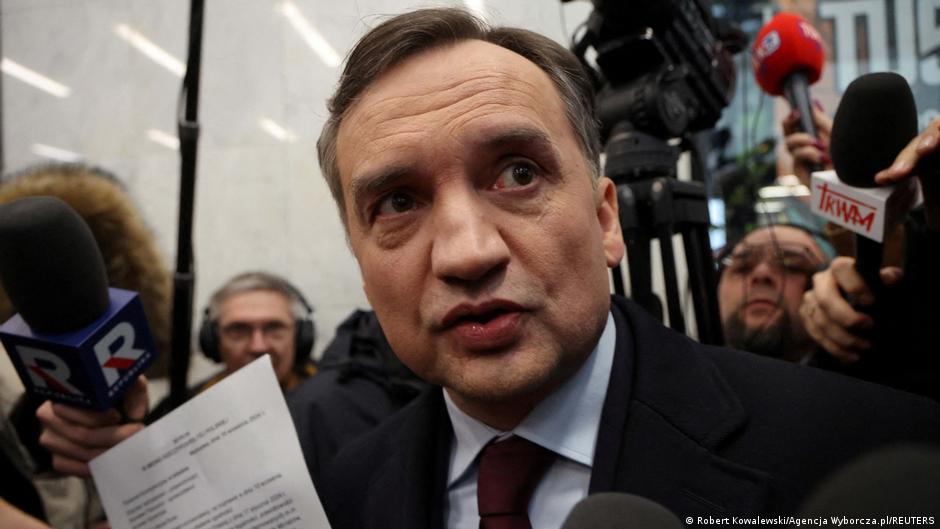
The escape of Poland’s ex-justice minister to the US amid corruption charges highlights risks to currency stability and household financial confidence across Europe.

Poland's €44 billion EU loan for defense modernization raises concerns over long-term public debt and impacts on household finances and economic stability.

The potential redeployment of 5,000 US troops from Germany to Poland could influence local economies, household finances, currencies, and investment dynamics in Europe.

US delays in arms shipments to Europe due to Iran conflict strain defense budgets, impacting household finances, currency stability, and investor confidence across allied nations.

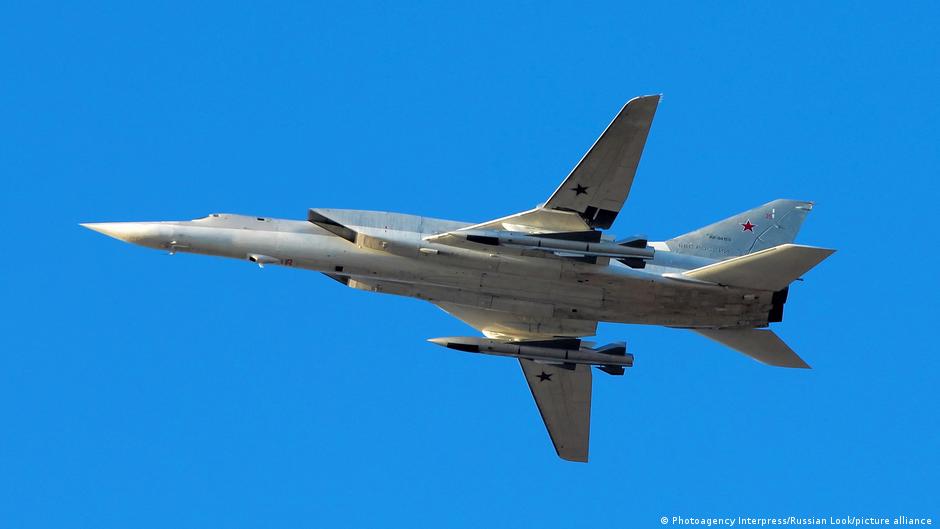
NATO intercepted Russian bombers over the Baltic Sea, escalating regional tensions and potentially impacting household budgets, currencies, and investor confidence.

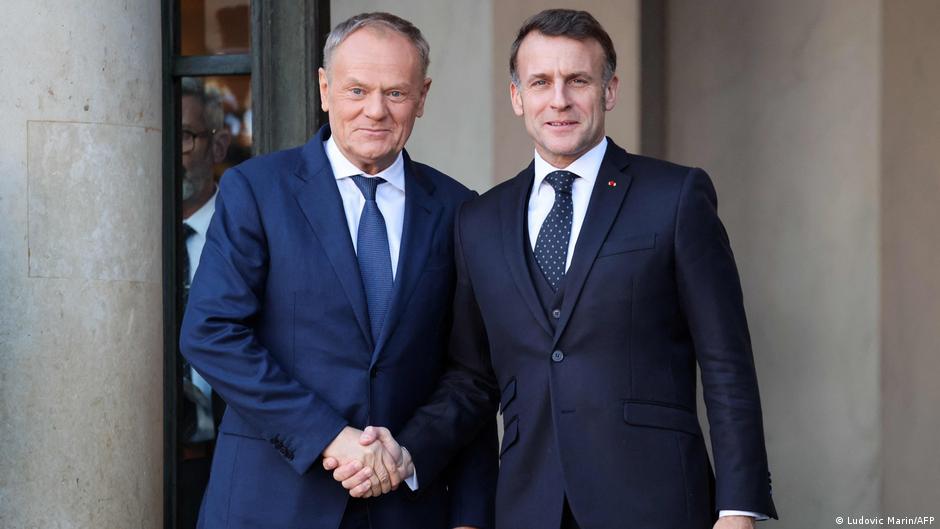
Poland and France are jointly developing a military satellite to secure Poland’s defense communications, reflecting broader trends in European defense spending and technology investments.

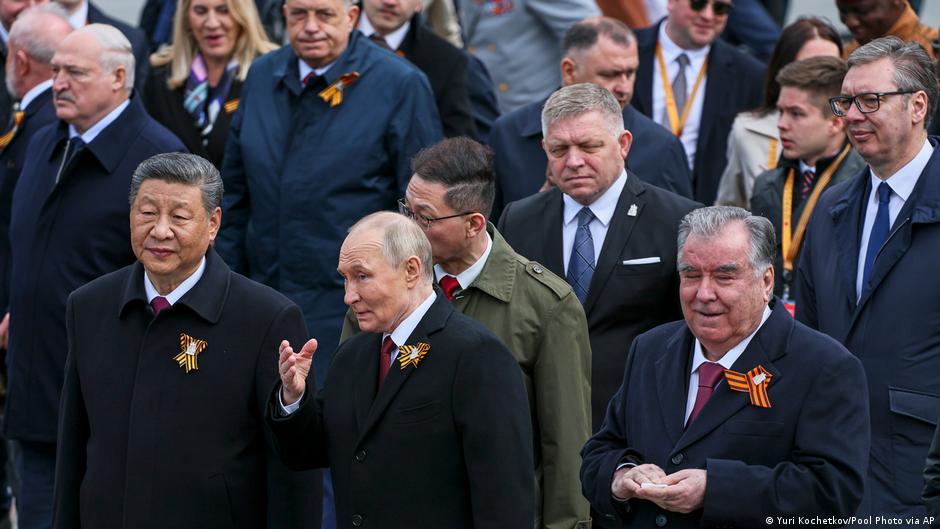
Lithuania and Latvia's closure of airspace to Slovak PM's flight to Moscow may raise travel costs and affect household budgets through longer routes and increased expenses.