Poland Expels 11 Foreign Nationals Over Russia-Funded Protests Impacting Refugee Communities
Polish authorities deported Ukrainians and Belarusians accused of recruiting protest participants funded by Russia, raising concerns about foreign influence on refugee groups.
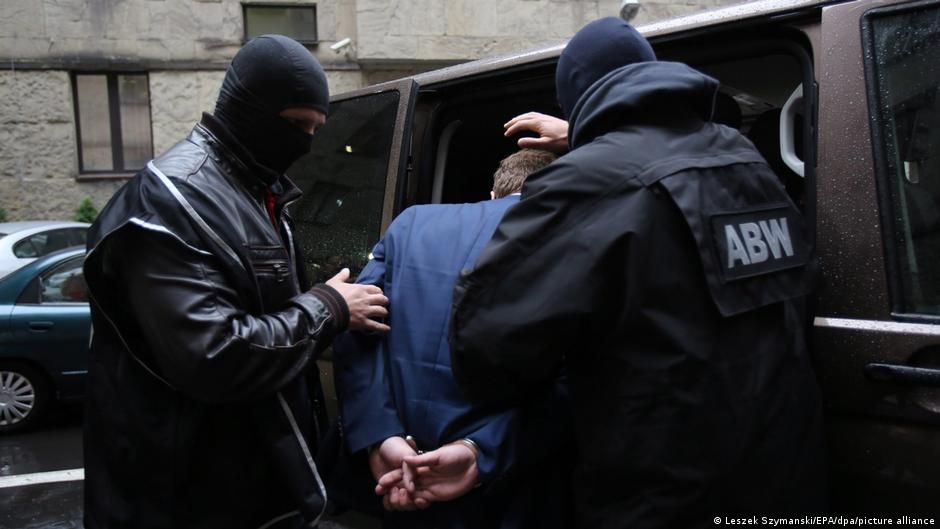
Poland recently deported 11 individuals—nine Ukrainians and two Belarusians—who were reportedly involved in organizing protests among Ukrainian refugees in the country. According to the Polish Internal Security Agency (ABW), these individuals received funding from Russia to recruit participants for anti-government demonstrations.
The arrests and subsequent deportations took place in several Polish cities including Warsaw, Wrocław, Kraków, Zakopane, and Bydgoszcz. The ABW stated that since autumn 2025, these foreign nationals have been actively engaging Ukrainian refugees to join protests that carry politically charged slogans aimed at influencing public opinion within the refugee community.
Financial and Social Implications for Refugee Households
These developments reveal a complex interplay between geopolitical tactics and the everyday lives of refugees, many of whom are already facing economic hardships. Financial incentives were reportedly used to secure protest participation, which could distort the social dynamics within these vulnerable communities and put additional strain on household budgets.
"The organizers aimed to gradually influence the Ukrainian refugee community in Poland and use this group to promote political slogans," the ABW said.
For Ukrainian refugees, whose savings and financial resources are often stretched thin due to displacement, participation in such politically motivated protests can have adverse economic consequences. Time spent protesting means time away from work or job searches, further impacting household income stability.
Additionally, the alleged involvement of Russian funds highlights the risks that foreign currency flows pose to local economies and currencies. Money injected into protest activities could exacerbate local tensions and complicate efforts to maintain economic stability in refugee-hosting regions.
Broader Consumer and Investor Concerns
Polish officials have previously warned about Russian attempts to infiltrate social movements, including the farmer protests earlier in 2024, which also featured anti-Ukrainian rhetoric. The Ministry of Foreign Affairs suggested that these movements might be influenced by Russian operatives seeking to destabilize Poland’s socio-political environment.
Moreover, intelligence reports indicate that Russia has orchestrated disinformation campaigns aimed at dividing NATO partners and stirring anti-Ukrainian sentiment across the European Union. Such geopolitical interference can ripple through financial markets, affecting investor confidence and consumer sentiment not only in Poland but across the region.
For everyday investors and consumers, understanding how foreign political maneuvers affect local and regional stability is crucial. Economic disruptions tied to social unrest can lead to currency fluctuations, inflationary pressures, and uncertainty in markets, which in turn influence household savings and investment decisions.
In light of these events, policymakers and financial advisors may need to consider the indirect economic impacts of geopolitical conflicts on refugee populations and broader society. Ensuring economic resilience among affected households will require coordinated efforts to monitor and counteract these influences.