Ukraine's New National Pantheon and Order of Europe: Implications for Household Budgets and Investors
President Zelensky’s initiatives signal shifts in national identity that may indirectly affect currency stability and personal finances amid geopolitical tensions.
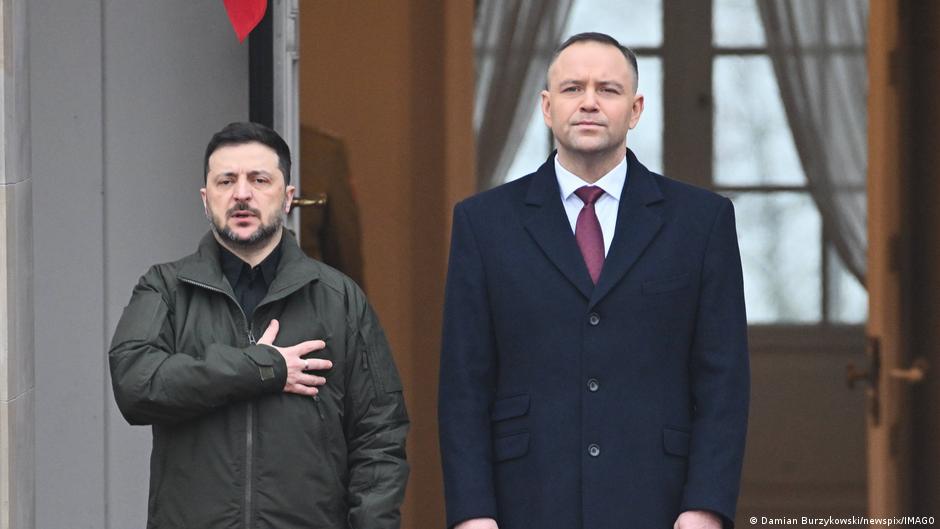
On June 28, Ukrainian President Volodymyr Zelensky announced the creation of a Ukrainian National Pantheon to honor heroes who have fought for Ukraine throughout history. Alongside this, he called on the parliament to establish a new state award, the Order of Europe, which would recognize individuals contributing to the security and future of Europe as well as Ukraine’s path to EU integration.
National Identity Moves Amid Diplomatic Strain
These cultural initiatives come during heightened diplomatic tensions between Ukraine and Poland, sparked by Zelensky’s decision to name a Ukrainian military unit after the Ukrainian Insurgent Army (UPA). The UPA's legacy is controversial in Poland, where it is associated with the Volhynia massacre during World War II, events which Poland officially recognizes as genocide.
"No one will ever dictate how we live, speak, or whom we honor," Zelensky declared, emphasizing Ukraine’s sovereignty over its historical narrative.
Poland responded harshly by revoking Zelensky’s highest Polish honor, the Order of the White Eagle, leading to a series of reciprocal returns of state awards by politicians on both sides. This diplomatic friction complicates Ukraine’s efforts to maintain strong alliances critical for its defense and economic stability amid ongoing conflict with Russia.
Financial and Economic Implications for Households and Investors
While the creation of a National Pantheon and a new state order might appear primarily symbolic, these moves have broader implications for Ukraine’s economy and its citizens’ personal finances. Heightened diplomatic tensions with Poland—an important EU member state and trade partner—could risk disrupting bilateral trade and investment flows. Poland is a key transit and trade route for Ukrainian goods, and political rifts may lead to stricter border controls or reduced cooperation.
Such disruptions can affect household budgets through potential price increases on imported goods, decreased availability of products, or changes in employment for individuals working in cross-border industries. Additionally, ongoing geopolitical tensions tend to increase currency volatility, which directly impacts savings and purchasing power for everyday Ukrainians.
For individual investors, uncertainty stemming from diplomatic conflicts and political instability can diminish confidence in both domestic and foreign markets. Ukraine’s efforts to emphasize national identity and sovereignty, while strategically important, may heighten geopolitical risk premiums on Ukrainian assets, influencing stock market and bond yields.
Moreover, Zelensky’s push for the Order of Europe aims to reinforce Ukraine’s European integration aspirations, a key factor for attracting foreign direct investment and international financial aid. Success in this area could stabilize the hryvnia and improve credit ratings, benefiting household savings and investment returns in the long term.
Looking Ahead
The balance between fostering national pride and maintaining crucial international partnerships remains delicate. As Ukraine navigates these complex dynamics, citizens and investors should monitor potential impacts on currency stability, inflation, and market confidence. Policymakers must weigh symbolic gestures against their economic repercussions to safeguard household finances during challenging geopolitical times.