Austrian City Graz Elects Communists Amid Housing Crisis and Economic Concerns
Communist Party wins municipal vote in Graz, reflecting voter focus on housing affordability and economic stability impacting household budgets.
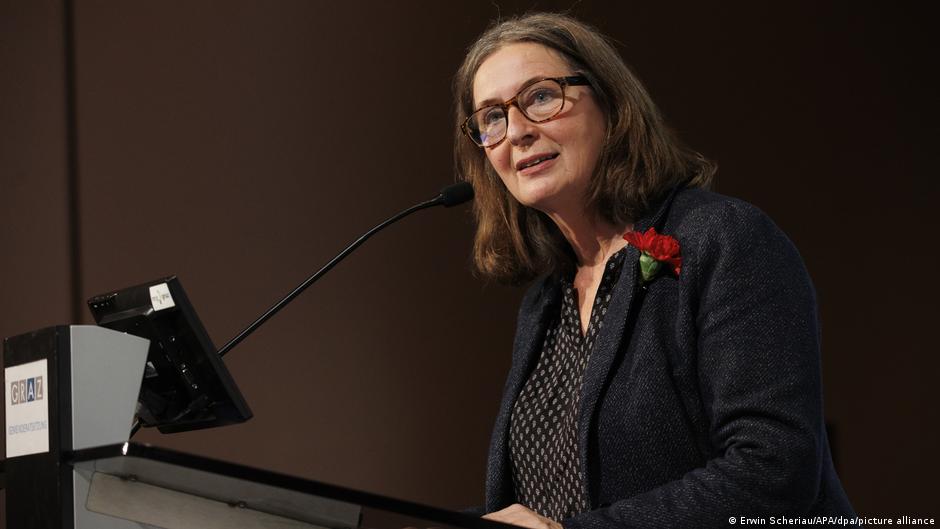
The recent municipal elections in Graz, Austria's second-largest city, resulted in a significant victory for the Communist Party of Austria (KPÖ), which secured 35.63% of the vote. This outcome highlights the growing influence of housing affordability and economic issues on everyday voters' decisions and household finances.
Housing Policy at the Forefront of Voter Priorities
The KPÖ's continued success in Graz marks their second consecutive municipal election win, increasing their city council seats to 18 out of 48. This growth from 28.84% support in 2021 reflects a rising constituency prioritizing housing and economic stability over traditional party loyalties.
"The Graz communists, under Mayor Elke Kahr, have focused on pragmatic housing policies without populist rhetoric, resonating with residents concerned about their cost of living and savings."
Elke Kahr, the KPÖ mayor since 2021, has earned recognition for her work in housing policy and city development. Her moderate approach and avoidance of confrontational politics have helped the party appeal to a broad base of voters, particularly those feeling the pressure of rising living costs.
Graz residents face challenges common in many European cities: escalating housing costs, inflationary pressures on household budgets, and concerns over the impact of international economic sanctions. Kahr's criticism of EU sanctions on Russia—while condemning the invasion of Ukraine—reflects a nuanced view of how such measures can indirectly burden ordinary households through inflation and restricted supply chains.
Implications for Household Budgets and Everyday Investors
For households in Graz, the election results signal a demand for policies aimed at stabilizing rent and improving affordable housing availability. As housing expenses often constitute the largest portion of consumer budgets, effective municipal policies can ease financial strain and potentially increase disposable income.
Moreover, the political climate underscores broader economic uncertainties affecting everyday investors and currency stability. The ongoing debate over sanctions and geopolitical tensions contributes to volatility in markets, which can impact savings and investment returns even at the local level.
While conservative parties like the Austrian People’s Party (ÖVP) came in second with 25.35% of the vote, and the Greens secured 14.84%, the right-wing populist Freedom Party (FPÖ) lagged behind at 12.2%, a notable divergence from their national success. This divergence reflects Graz voters’ preference for pragmatic economic and social policies over nationalist populism.
Despite the FPÖ’s national gains, the formation of a centrist coalition government at the federal level illustrates contrasting political dynamics that can affect economic policy and consumer confidence across Austria.
Ultimately, the Graz election results highlight how local economic issues — especially housing — are reshaping political landscapes and influencing the financial realities of households and small investors. Residents seek stability and practical solutions amid inflation and economic uncertainty, emphasizing the critical link between politics and personal finance.