US-Iran Ceasefire Could Ease Oil Prices and Impact Household Budgets Globally
Temporary US-Iran truce may lead to reopened Strait of Hormuz, affecting oil supply, fuel costs, and consumer finances worldwide.
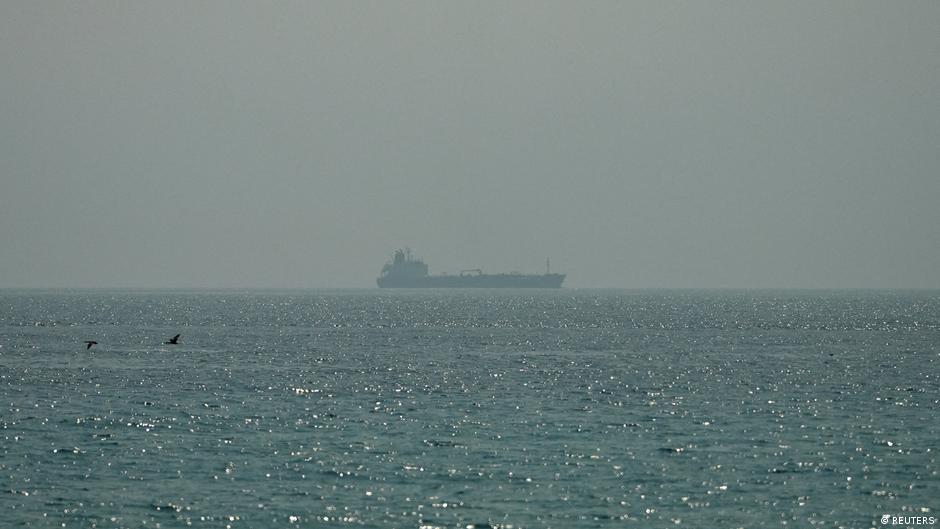
After a recent exchange of military strikes, the United States and Iran have agreed to a temporary ceasefire, signaling a potential easing of tensions that have directly influenced global oil markets and, by extension, household finances worldwide. The agreement, which lasts until June 30, precedes a planned diplomatic meeting in Qatar focused on the reopening of the Strait of Hormuz, a critical maritime passage for oil exports.
Significance of the Strait of Hormuz for Global Energy Markets
The Strait of Hormuz is one of the world's most vital chokepoints for oil transportation, with significant volumes of crude oil passing through it daily en route from Persian Gulf producers to global markets. Currently, the strait remains only partially open due to restrictions imposed by Iran, which requires vessels to coordinate their routes with its military leadership. This partial closure has squeezed maritime traffic into two narrow channels, disrupting shipping flows.
Despite US leadership assertions of a fully open strait, shipping volumes remain less than half of the pre-conflict levels seen before the escalation of hostilities involving the US and Israeli actions against Iran.
“The ongoing restrictions in the Strait of Hormuz continue to ripple through oil prices, impacting fuel costs and household budgets globally.”
Impact on Oil Prices and Consumer Costs
International oil markets have been closely monitoring these developments. Following the announcement of a "memorandum of understanding" on June 17, which set the foundation for the ceasefire, oil futures prices began to decline. On June 24, Brent crude oil prices fell to $73.22 per barrel, the lowest since late February before the recent military strikes. Similarly, West Texas Intermediate (WTI) crude traded at $69.87 per barrel.
Lower oil prices can translate into reduced costs for transportation and heating fuels, potentially easing inflationary pressures on consumers. However, the situation remains fragile as the ceasefire is temporary, and significant uncertainties surround the outcomes of the upcoming negotiations.
Broader Financial Implications for Households and Investors
The volatile geopolitical environment and its effect on energy prices highlight the sensitivity of household budgets to international conflicts. Fuel expenses constitute a substantial portion of monthly spending for many families, and fluctuations in oil prices due to supply disruptions can strain household finances.
Moreover, everyday investors and consumers holding assets linked to oil markets, such as energy stocks or commodity funds, face increased risks and potential volatility. The uncertainty around the full reopening of the Strait of Hormuz and Iran’s stance on levying transit fees on commercial vessels adds further complexity to market forecasts.
Outlook and Next Steps
The ceasefire, effective since April 8 but repeatedly violated, is set to be formally reviewed during the June 30 meeting in Qatar. Key issues on the agenda include Iran's nuclear program, US troop withdrawals from neighboring countries, and the terms of maritime passage fees through the strait.
Until these matters see definitive progress, the global energy markets and consumer prices remain exposed to geopolitical risk. For households and investors alike, staying informed and prepared for potential price swings is crucial in managing personal finances in this uncertain environment.