Polish Opposition Leader Urges Blocking Ukraine’s EU Accession Amid Rising Bilateral Tensions
Jarosław Kaczyński calls for halting Ukraine’s EU talks, citing conflicts that could impact economic and consumer relations.
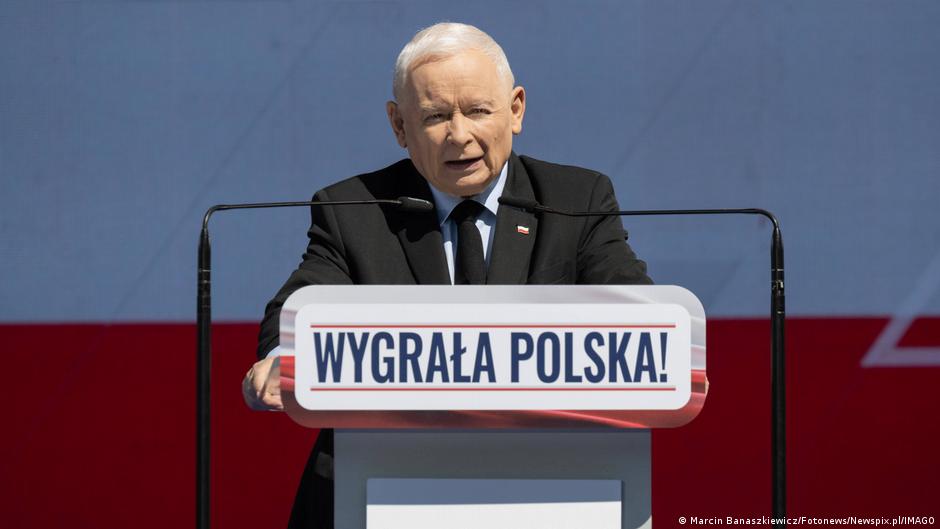
Jarosław Kaczyński, the leader of Poland’s opposition party Law and Justice (PiS), has called on the Polish government to block negotiations over Ukraine’s accession to the European Union. This move comes amid escalating political tensions between Warsaw and Kyiv that have implications not only at the geopolitical level but for everyday economic relations affecting households, savings, and regional markets.
Political Conflict’s Ripple Effects on Consumer Economies
Kaczyński’s appeal, reported on June 27, highlights concerns over deteriorating Polish-Ukrainian relations following a series of symbolic and diplomatic disputes. The opposition leader accused Ukraine of exacerbating tensions, particularly after Ukrainian President Volodymyr Zelensky assigned the name of the Ukrainian Insurgent Army (UPA) to a military unit, a group viewed very differently in Polish and Ukrainian collective memories.
“Our decision to block Ukraine’s EU talks reflects real concerns of Polish farmers and citizens over the economic consequences of closer integration,” Kaczyński noted, signaling a protectionist stance.
The controversy has led to a diplomatic fallout, including the revocation of Ukraine’s highest Polish honor, the Order of the White Eagle, from President Zelensky by Polish President Karol Nawrocki. Several senior Ukrainian officials have returned their Polish awards in protest, and Zelensky himself skipped the Ukraine Recovery Conference in Gdańsk, where Poland plays a key role in post-conflict rebuilding efforts.
Beyond the political drama, this situation feeds into broader economic worries among Polish households and consumers. Kaczyński’s party is reportedly positioning itself for the October 2027 parliamentary elections by appealing to Polish farmers anxious about Ukrainian agricultural imports that may depress local prices and threaten incomes. At the same time, there is growing apprehension about the fiscal burden of hosting Ukrainian refugees, which could translate into higher taxes or reduced social spending.
On the other hand, the current Polish government led by Prime Minister Donald Tusk supports cooperation with Ukraine and plays a leading role in international efforts to support Ukraine’s reconstruction. The recent Ukraine Recovery Conference in Gdańsk secured over €10 billion in aid agreements, underscoring the economic stakes involved.
For everyday investors and consumers in Poland and the region, these political tensions could influence currency stability, cross-border trade flows, and investment climates. Any prolonged diplomatic rift risks disrupting supply chains, impacting food prices, and increasing uncertainty in financial markets, which may affect savings and household budgets.
Moreover, the dispute touches on sensitive historical narratives that fuel nationalist sentiments, complicating economic integration efforts. The Ukrainian Insurgent Army is regarded in Ukraine as freedom fighters, but in Poland, they are associated with wartime atrocities, notably the Volhynia massacres of 1943-1944, adding layers of historical grievance to present-day policy decisions.
As Poland weighs its stance on Ukraine’s EU membership amid these domestic political calculations, the situation serves as a reminder of how geopolitical conflicts can cascade into the everyday economic realities of consumers, farmers, and investors, impacting regional stability and growth prospects.