U.S.-Iran Conflict in Strait of Hormuz Raises Global Oil Prices and Domestic Costs
Recent military exchanges between the U.S. and Iran after an attack on a cargo ship threaten energy supplies and impact household budgets worldwide.
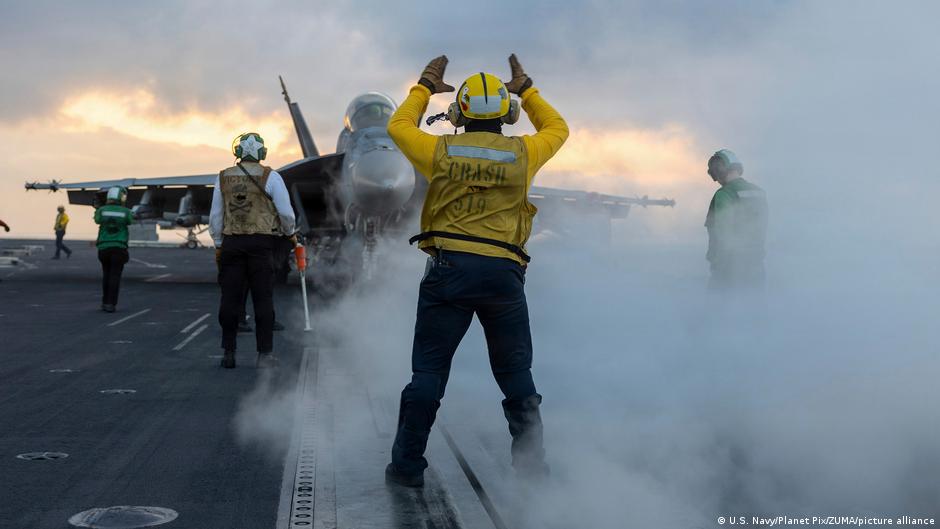
The recent escalation of military confrontations between the United States and Iran in the strategic Strait of Hormuz is prompting concerns about rising energy costs and economic uncertainty worldwide. Following an Iranian drone attack on the Singapore-flagged cargo vessel Ever Lovely, the U.S. launched retaliatory strikes against Iranian missile and drone storage sites, as well as coastal radar installations. Iran responded by targeting American military bases in the Middle East, further intensifying tensions.
Impact on Global Energy Markets and Consumer Finances
The Strait of Hormuz is a vital artery for global oil transportation, with nearly one-fifth of the world’s petroleum passing through this narrow waterway. Any disruption risks tightening supply and driving up prices, directly influencing fuel and heating costs for consumers globally. After the recent attacks, international oil prices surged, reflecting fears of further instability.
“The attack and subsequent military responses have introduced new volatility into energy markets, which often translates into higher costs for households and consumers everywhere.”
For everyday consumers, higher oil prices can translate into increased gasoline prices at the pump, elevated heating bills during colder months, and generally higher prices for goods due to increased transportation costs. This tends to strain household budgets, especially for lower-income families who spend a larger portion of their income on energy and transportation.
Moreover, the disruption has immediate implications for currency markets and investors. Oil-exporting countries may see currency fluctuations linked to changing oil revenues, while investors with exposure to energy stocks or oil futures face heightened risk and potential losses amid uncertainty. Additionally, the suspension of maritime evacuations by the International Maritime Organization affects hundreds of vessels and thousands of seafarers, underscoring the broader economic ripple effects.
Consumers investing in energy markets or related sectors should monitor geopolitical developments closely, as instability could lead to sudden price swings. Diversifying investments and considering the potential for energy price shocks in personal finance planning have become more important amid these geopolitical risks.
Geopolitical Tensions and Consumer Confidence
The U.S. Central Command (CENTCOM) characterized the U.S. strikes as a decisive response to an unprovoked attack, emphasizing that the aggression violated a ceasefire framework agreed upon earlier in June. Iran's Islamic Revolutionary Guard Corps (IRGC) justified its actions by asserting its rights over navigational control in the Strait, pledging stronger responses if attacks continue.
Despite a recent agreement aiming to de-escalate hostilities and ensure safe passage through the Strait, the attack on Ever Lovely challenges this fragile peace, raising questions about the stability of the region and the risks to maritime trade routes. This instability has a direct knock-on effect on global supply chains, including energy delivery, which in turn affects prices that consumers ultimately pay.
With household budgets already pressured by inflationary trends worldwide, any disruption to energy supplies can exacerbate financial strain. Policymakers and consumers alike must weigh the implications of geopolitical conflicts on economic stability and personal finances.
In summary, the ongoing U.S.-Iran military exchanges following the attack on a commercial vessel in the Strait of Hormuz underscore the vulnerability of global energy supply chains. This situation threatens to increase fuel costs, influence currency stability, and inject uncertainty into investment markets, all factors that directly impact ordinary consumers and their financial well-being.