Finland Lifts Nuclear Weapons Ban: Implications for Household Budgets and Currency Stability
Finland’s removal of its nuclear weapons ban may impact national security and economic confidence, influencing consumer savings and currency markets.
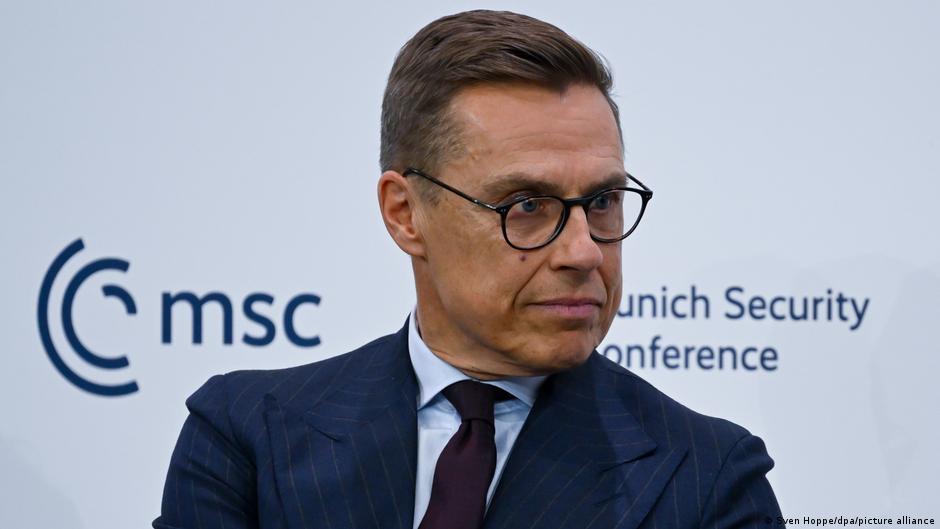
On June 26, Finnish President Alexander Stubb signed amendments to the country’s Atomic Energy Act that repeal the longstanding prohibition on the import and storage of nuclear weapons on Finnish soil. These legislative changes will take effect on July 1, marking a significant shift in Finland’s defense policy amid growing geopolitical tensions.
The Finnish Parliament had approved these amendments on March 17 with a vote of 125 to 61. Defense Minister Antti Hykkänen hailed the reforms as "historic," emphasizing that they strengthen both Finland's security and that of NATO as a whole. President Stubb clarified that the country currently has no plans to deploy nuclear weapons during peacetime, describing the move as a deterrence strategy designed to ensure nuclear weapons are never used.
Economic and Financial Repercussions for Finnish Households
While the amendments primarily affect national security, they also carry potential consequences for Finland’s economy and personal finances. Increased geopolitical risks, especially given Finland’s 1,300-kilometer border with Russia, could unsettle investor confidence and place upward pressure on borrowing costs.
“This legislative change decreases the risk of Finland becoming a target of Russian military operations, but it may also provoke economic volatility that impacts everyday consumers,” said an economic analyst.
Currency markets will likely respond to these developments. The euro and Finnish currency stability could face volatility as investors reassess risks linked to Finland’s defense posture. Any perceived increase in regional tensions generally encourages capital flight to safe-haven assets, which can affect household savings denominated in euros.
Moreover, Finnish households could encounter indirect effects on their budgets. Heightened defense expenditures anticipated in connection with the new legislation might lead to increased government borrowing or tax adjustments over time, potentially reducing disposable income for consumers.
Additionally, the government’s recent withdrawal from the Ottawa Convention, which bans anti-personnel mines, citing security deteriorations largely due to Russia’s actions, underscores the challenging security environment. This environment tends to increase market uncertainty, which can hinder financial planning for individual investors and savers.
Finland’s accession to NATO in April 2023, following its announcement in May 2022, has already begun reshaping its economic landscape. Closer integration with NATO can attract defense investments but might also expose Finland to retaliatory measures affecting trade and financial flows, which could trickle down to household economic well-being.
Outlook for Consumers and Investors
Consumers should remain vigilant toward potential inflationary pressures tied to increased defense spending and any currency fluctuations triggered by geopolitical developments. It is prudent for households to consider diversification of savings and investments to hedge against market volatility.
Investors may also want to monitor government fiscal policies as the country adapts to its new defense framework. Any shifts in taxation or public debt management could influence market dynamics impacting pensions, mutual funds, and personal investment portfolios.
In summary, Finland’s decision to lift the nuclear weapons ban marks a pivotal moment in its security strategy with multifaceted implications extending into the economic realm. While aimed at deterrence and national security, these changes carry potential ripple effects on currency stability, market confidence, and ultimately, the financial health of Finnish households.