Russia Closes Romanian Consulate in St. Petersburg Amid Rising Diplomatic Tensions
The closure reflects escalating diplomatic disputes that may indirectly impact household budgets and currency stability in Russia and Romania.
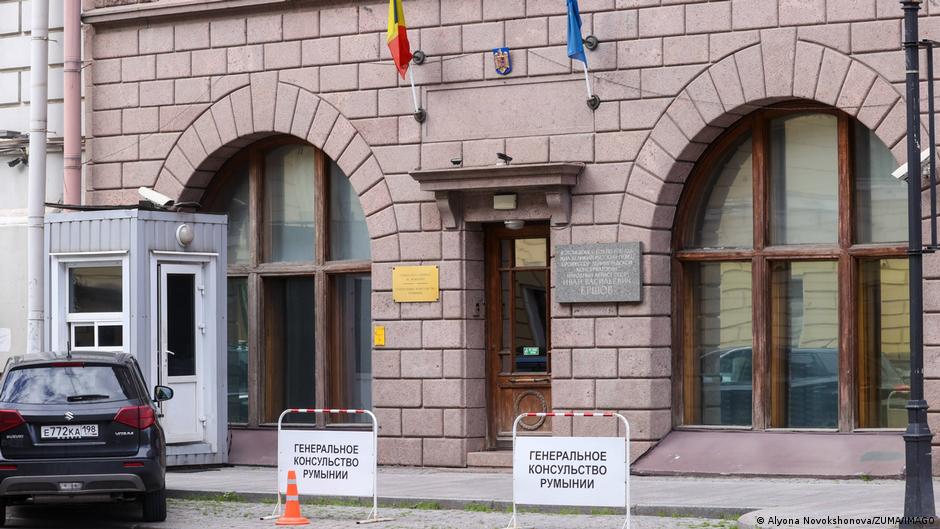
Russia has announced the closure of the Romanian consulate in St. Petersburg and declared its acting consul general, Laurenciu Constantiniu, persona non grata. This move comes as a direct response to Romania's earlier decision to shut down the Russian General Consulate in Constanta and expel the Russian consul in retaliation for a drone incident in Romania.
On June 25, the Russian Foreign Ministry communicated the decision to Romania's ambassador in Moscow, Christian Istrate, describing the closure as a reaction to what it called an "unjustified withdrawal" of consent by Bucharest for the Russian consulate's operation in Constanta.
Diplomatic Fallout and Its Potential Economic Implications
The diplomatic strain between Russia and Romania began after a Russian drone crashed into a residential building in the Romanian city of Galati on the night of May 29. The incident resulted in injuries to a 14-year-old boy and a 53-year-old woman, and caused a fire on the 10th floor of the apartment complex. Romanian military officials confirmed the drone was Russian, and the explosion led to the evacuation of 70 residents.
"This incident marked the first time a Russian military drone caused harm on the territory of a NATO country," reported international news agency Reuters.
Romanian authorities condemned the drone crash as a violation of international law and requested NATO to enhance air defense systems within Romania. In response, Romania's president, Nicolae Ciucă, ordered the closure of the Russian consulate in Constanta and expelled the Russian consul.
Russia's reciprocal closure of the Romanian consulate in St. Petersburg adds another layer of tension to already fragile relations. While these diplomatic developments primarily affect government entities, they can ripple outwards, influencing currency markets and consumer confidence in both nations.
Household budgets could feel indirect effects as geopolitical instability often leads to currency volatility. In Russia, the ruble may face further fluctuations due to escalating tensions with European neighbors. Similarly, the Romanian leu could experience pressure amid regional uncertainties and NATO's increased military presence.
For everyday investors and savers, rising diplomatic conflicts can translate into increased risk premiums on investments, potential inflation driven by currency depreciation, and disruptions in trade flows. Importers and exporters between Russia and Romania might face additional administrative and financial hurdles, potentially increasing costs for consumers.
Economists advise that maintaining diversified currency holdings and staying informed about geopolitical developments can help households and investors mitigate risks during such periods.
As the situation evolves, both nations' governments and consumers will closely watch the impact of these diplomatic decisions on economic stability and personal finances.