Russia's Surge in Belarusian Aviation Fuel Imports Signals Strain on Domestic Supply
Russia's increased reliance on Belarusian jet fuel amid domestic production cuts challenges household budgets and consumer markets.
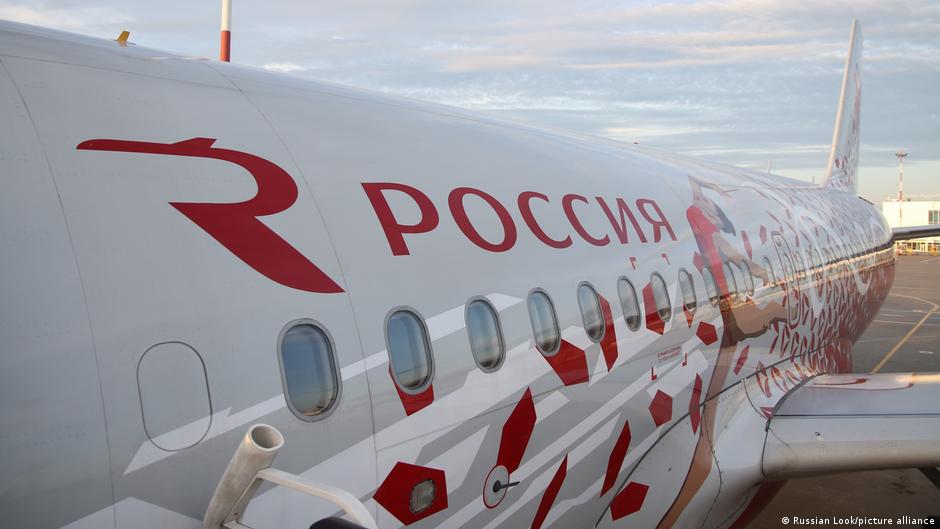
Russia has sharply increased its imports of aviation kerosene from Belarus, with volumes nearly quadrupling year-on-year in May 2026. This surge reflects significant constraints in domestic production and poses potential ripple effects on household expenses, currency stability, and fuel availability for everyday consumers and investors.
According to recent data, Russia imported 5,170 tons of aviation kerosene from Belarus in May 2026, up from a much lower baseline the previous year. The trend continued into June, with another 2,600 tons imported during the first ten days alone.
Domestic Production Challenges and Implications for Consumers
The increase in imports correlates with a decline in Russia's internal output of jet fuel. Official figures on domestic aviation fuel production remain undisclosed, but estimates from the Center for Price Indices (CPI) suggest that in 2025, Russia produced approximately 11.4 million tons of aviation kerosene. Notably, the Moscow Oil Refinery in Kapotnya, which supplied about 1.4 million tons of this total, ceased operations in mid-June following a drone attack. According to external reports, the refinery is unlikely to resume functioning before winter.
Authorities have also imposed an unprecedented export ban on aviation kerosene starting June 1, effective until November 30, aiming to preserve domestic supply. Concurrently, airports across Russia have started issuing warnings about refueling restrictions, foreshadowing potential disruptions in air travel and logistics.
"This increase in Belarusian aviation fuel imports underscores the pressure on Russia's refining capacity and is a harbinger of broader fuel scarcity," analysts say.
Such supply constraints are not limited to aviation fuel. Over 30 Russian regions have reported restrictions on automotive fuel sales. The annexed Crimean Peninsula experienced early shortages caused by Ukrainian military strikes on Russian logistics in occupied territories, a problem now spreading to other parts of the country amid ongoing attacks on Russian refineries. These disruptions have led to a reported 25% year-on-year drop in gasoline production by the end of June.
In response, Russia has requested 50,000 tons of gasoline imports from Kazakhstan, highlighting the growing reliance on external sources to meet consumer fuel demand.
Impact on Household Budgets and Currency Stability
The fuel supply crisis has direct consequences for household budgets. Fuel shortages and export restrictions tend to drive up domestic fuel prices, increasing transportation and heating costs for consumers. This inflationary pressure can erode disposable incomes and savings, especially as fuel is a critical input for goods and services throughout Russia.
Moreover, increased imports and disruptions in domestic production influence currency dynamics. Greater dependence on foreign fuel supplies may strain the ruble, affecting exchange rates and potentially increasing the cost of other imported goods. Everyday investors and consumers could face heightened market volatility stemming from these supply chain challenges.
In summary, Russia's sharp rise in aviation fuel imports from Belarus amid domestic refinery setbacks signals a growing energy supply vulnerability. The cascading effects on fuel availability, pricing, and economic stability underscore the challenges facing Russian households and markets in the months ahead.