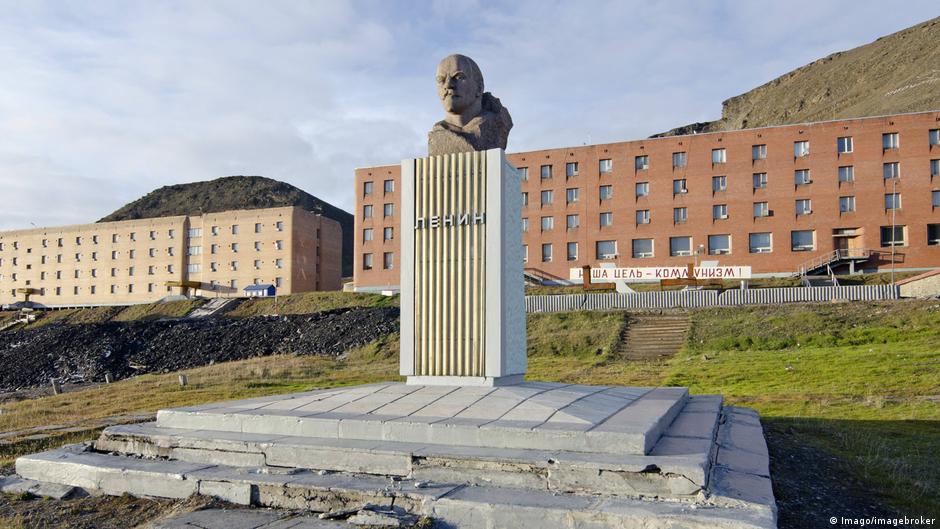
Norway Seizes Russian Research Vessel in Naftogaz Claim With Investor Focus
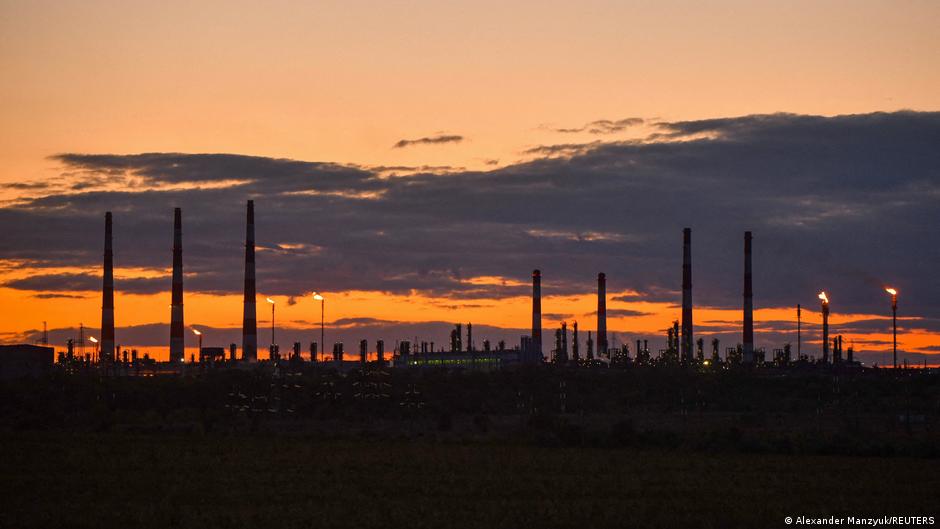
Norway’s seizure of a Russian vessel in a Naftogaz claim highlights how legal battles over assets can shape investor risk, currencies and household finances.
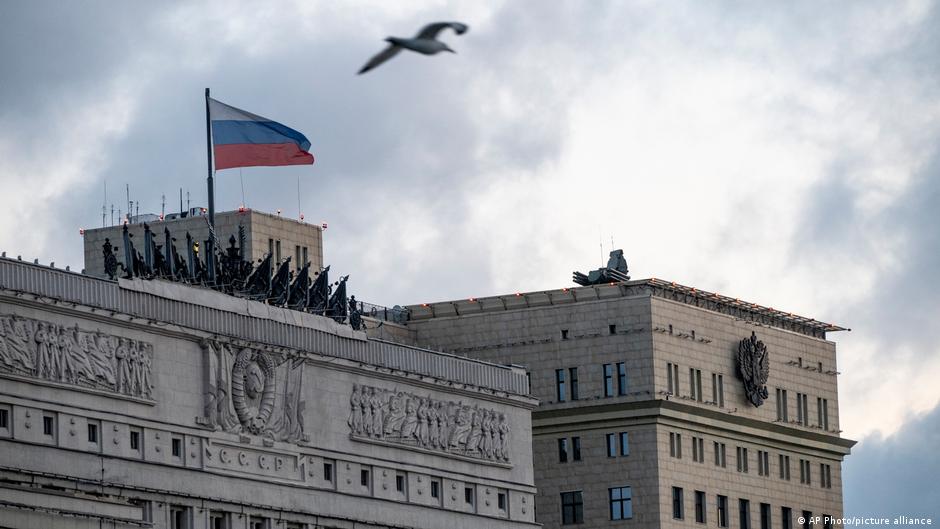
Norway’s seizure of a Russian vessel in a Naftogaz claim highlights how legal battles over assets can shape investor risk, currencies and household finances.

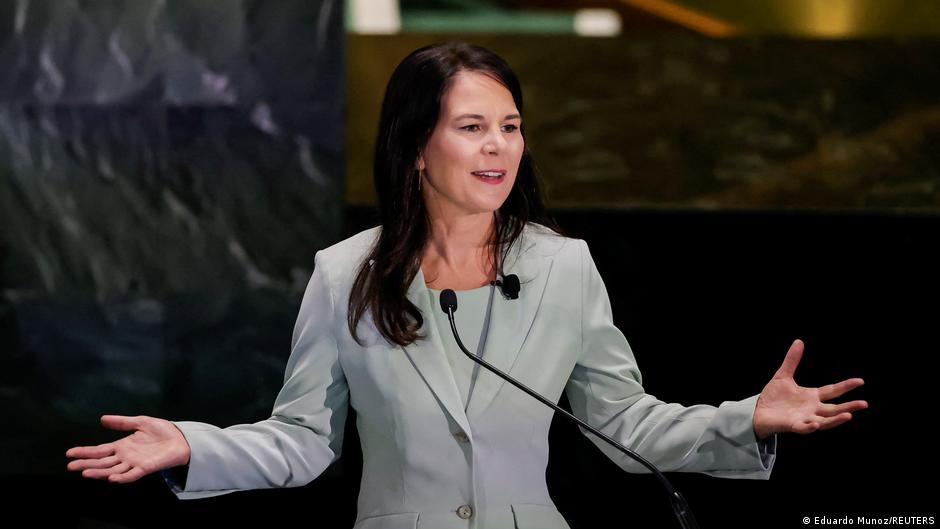
After leading Germany's foreign policy and chairing the UN General Assembly, Annalena Baerbock will join Columbia University as co-director of a public administration program focused on global leadership.

The U.S. has removed Syria from its terrorism sponsor list, opening new economic opportunities with potential impacts on currencies, investments, and household finances worldwide.

A 23.6% wage gap between German and foreign workers persists, affecting immigrant household budgets, savings potential, and investment opportunities in Germany.

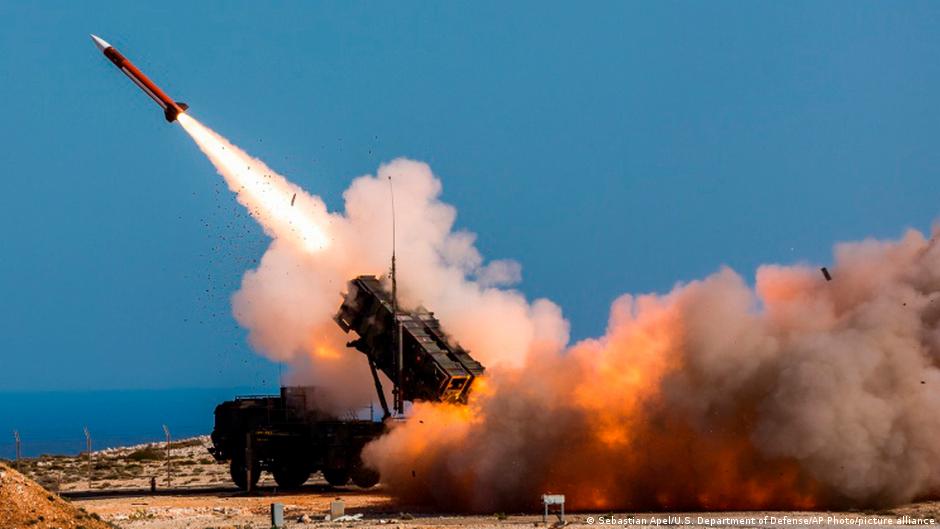
NATO responds to Iranian threats targeting European military sites, signaling potential impacts on household budgets, currency markets, and consumer prices amid rising tensions.

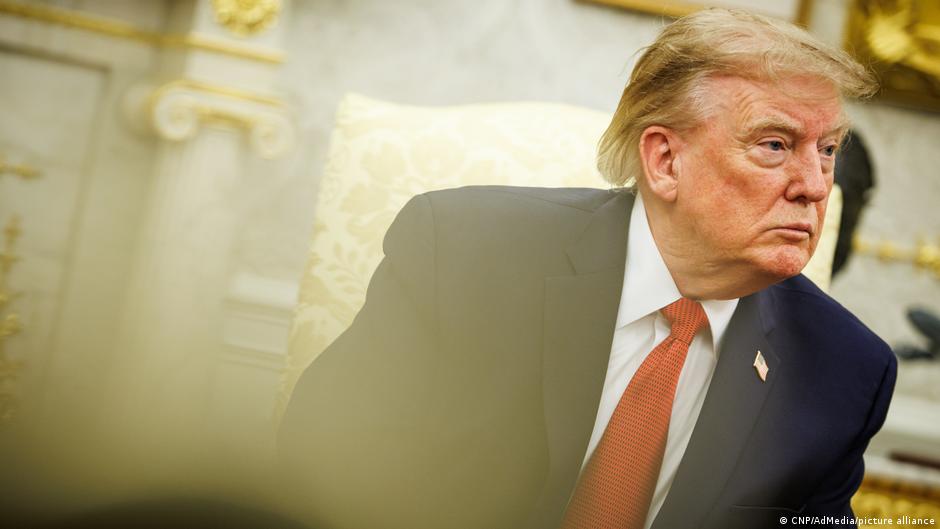
President Trump announces unprecedented sanctions against Iran, threatening global trade and energy markets, with direct consequences for household budgets and investors worldwide.

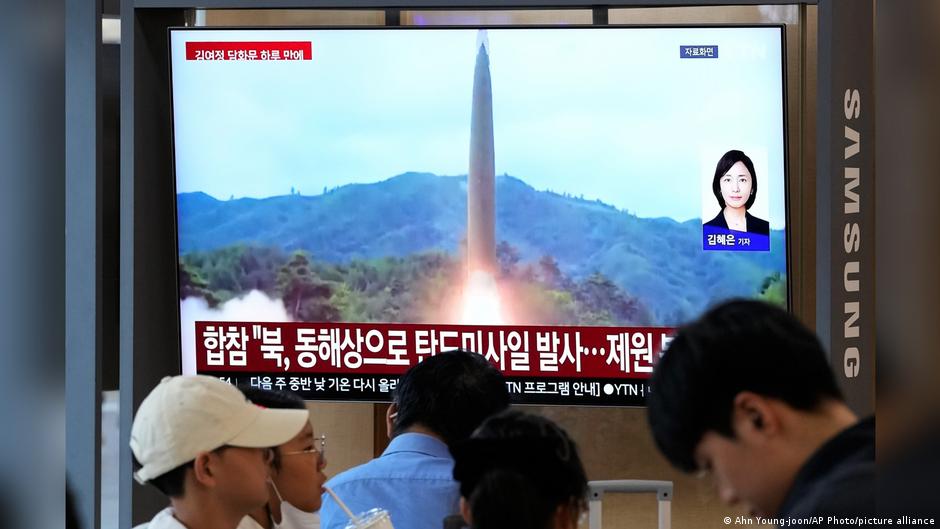
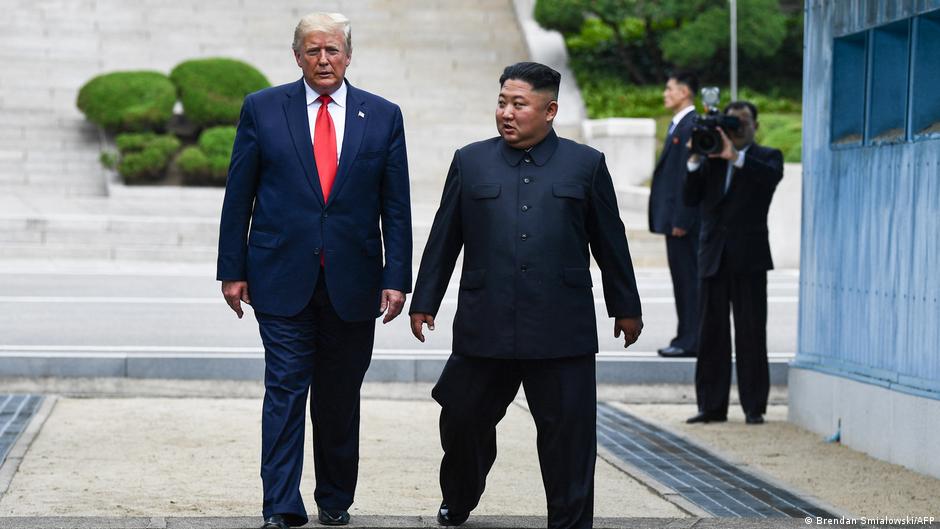
US President Trump plans a fall meeting with North Korean leader Kim Jong Un to revive nuclear talks, with potential impacts on currencies and household finances worldwide.

Rising tensions in the Strait of Hormuz threaten oil supply stability, potentially driving up fuel costs and affecting household budgets and investments globally.

Russia considers barring emigrants labeled as foreign agents from voting, affecting expatriates' political rights and financial ties with the homeland.

The US scales back joint military drills with South Korea, affecting defense budgets and potentially impacting household finances and currency stability in the region.

Geopolitical tensions between Qatar and Iran threaten currency stability and consumer costs, impacting household budgets and everyday investors in the Gulf region.

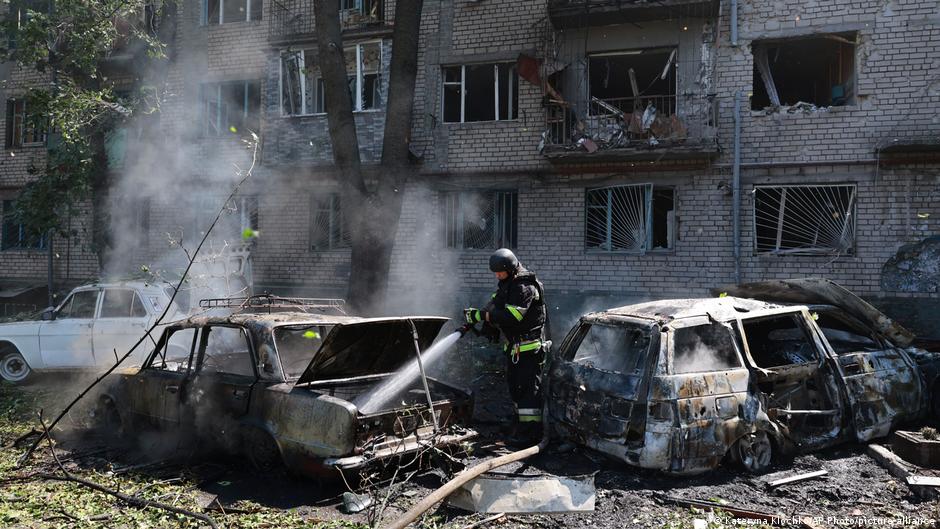
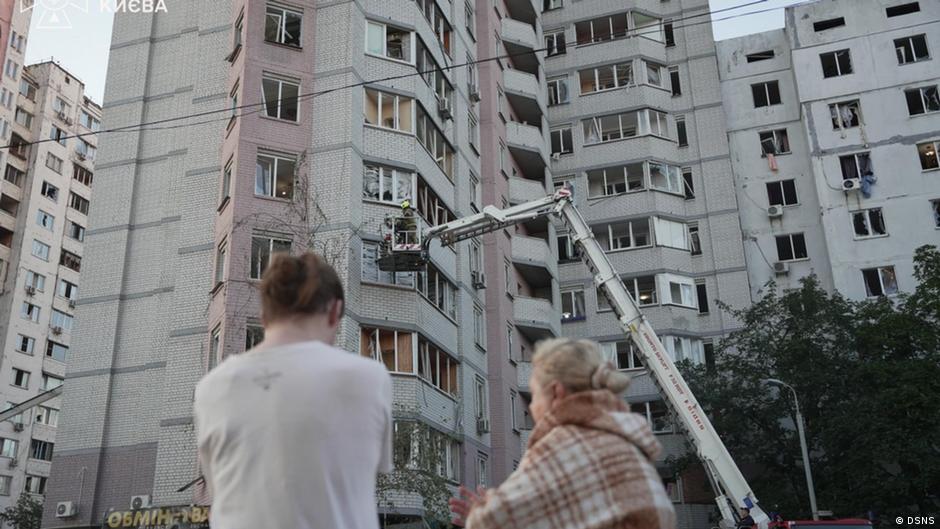
Russian missile strikes on Kyiv and Kryvyi Rih cause casualties and damage, impacting local economies and household financial stability.

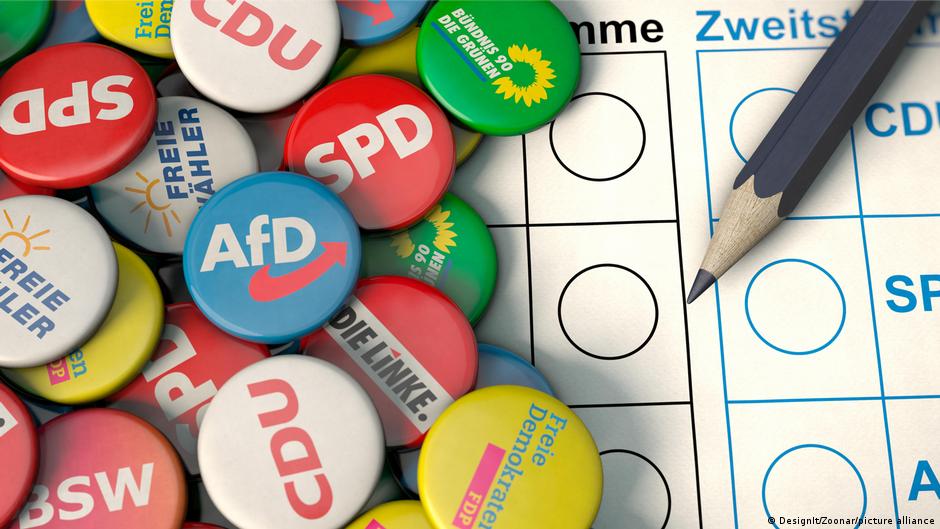
Support for Germany’s CDU/CSU falls to a five-year low, raising concerns about economic stability and consumer confidence ahead of regional elections.

War crimes allegations amidst the Ukraine conflict intensify economic uncertainty, impacting household budgets, currency stability, and everyday investors' confidence.

Russian missile and aerial bomb attacks on Zaporizhzhia have caused casualties and damaged infrastructure, affecting household budgets, local economies, and financial stability.

Germany faces growing hybrid warfare threats, including drone attacks, impacting national security and posing risks to household budgets, savings, and investor confidence.

US Senate sanctions targeting Russian energy exports may drive higher fuel prices and inflation, affecting household budgets and investors worldwide.

The August 1 explosion in a Moscow restaurant highlights severe personal and financial consequences for victims’ families, affecting household budgets and investor confidence.

Ukraine’s unlikely NATO membership shifts security alliances, impacting household budgets, currency stability, and the economic outlook for everyday investors.

International browsers flag major Russian bank sites as insecure due to revoked security certificates, complicating online banking access for consumers and investors abroad.

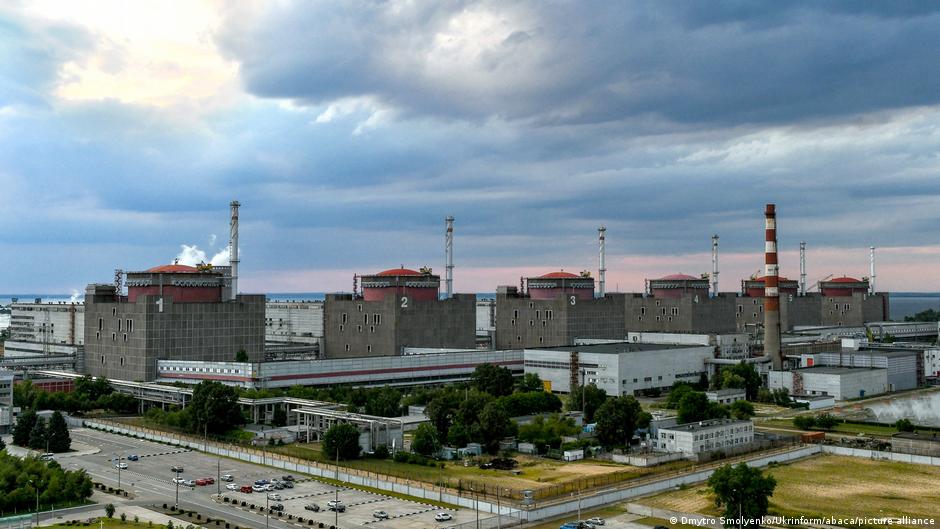
The Zaporizhzhia Nuclear Plant’s repeated power outages threaten regional energy stability, pushing up costs and straining household budgets amid ongoing conflict.

The US-declared Hamas disarmament deal signals potential easing of Middle East tensions, likely impacting global currencies, commodity prices, and investment markets.

The US Senate advances sanctions bill imposing steep tariffs on Russian imports, potentially raising prices and affecting household budgets and investments.

Germany’s transport minister resigns amid political tensions, raising concerns over infrastructure projects and economic effects on households and investors.

The UK’s transfer of rights for the Stone Cloak electronic warfare system to Ukraine affects defense innovation and has broader implications for household budgets and currency stability.

A Russian disinformation campaign ahead of German elections threatens public trust, potentially impacting household finances, savings, and investment confidence across Europe.

Germany seeks to secure Ukraine’s advanced drone technologies through a government deal, impacting defense spending, currency stability, and investment opportunities.
Montenegro will end visa-free travel for Russian and Belarusian citizens from November 1, 2026, raising travel costs and affecting household budgets and investments.

US lifts sanctions on Belarus-linked Bel-Kap-Steel amid prisoner releases, potentially easing economic pressure on households and stabilizing currency and investments.

The US has imposed 50% tariffs on Canadian imports, raising prices on goods like wine and cement, which may increase costs for American households and affect everyday investments.

US military deaths in the Iran conflict rise, increasing geopolitical risks that affect household budgets, currency markets, and investment decisions.

Former President Trump proposes the US host another FIFA World Cup solo, impacting household budgets, travel costs, and investment opportunities linked to major sporting events.

US plans to allow Saudi uranium enrichment could raise oil prices, affect currencies, and impact household budgets and investments worldwide.

U.S.-Iran military clashes threaten to raise energy prices, impacting consumer costs, household budgets, and currency stability for everyday investors worldwide.

The US is negotiating to restore an Iraq-Syria oil pipeline to bypass the Strait of Hormuz, aiming to stabilize energy supplies and ease global household energy costs.

Uzbekistan’s water reforms improve resource efficiency, potentially reducing costs for households and strengthening financial resilience amid environmental challenges.

German President Steinmeier urges Europe to uphold international order and implement social reforms to stabilize economies and protect households amid rising geopolitical tensions.

US military strikes on Iran near the Strait of Hormuz risk disrupting oil supplies, driving up energy prices, and straining household budgets and investments globally.
Former Spanish PM’s remarks on the French World Cup team spark debate with implications for economic confidence and investor sentiment in Europe.

The EU recommends cutting €2 million in funding from the Venice Biennale over Russia's participation, raising questions about the use of taxpayer money amid geopolitical tensions.

US strikes on Iran have closed the crucial Strait of Hormuz, threatening global oil supplies and raising energy costs that impact household budgets and everyday investors worldwide.

The killing of UK politician Anne Widdicombe raises public safety concerns that may impact household budgets, consumer confidence, and the broader economy.

Removal of US sanctions on Syria may affect investments, currency stability, and household budgets as the country reintegrates into the global economy.

AKFA Aluminium plans its first international bond issuance, opening new opportunities and risks for household investors and impacting Uzbekistan's financial markets.

Germany plans a 6% increase in spending and higher borrowing in its 2027 budget, with defense costs rising sharply, raising concerns for household finances and economic growth.

Canada's selection of German TKMS for submarine procurement signals deepening transatlantic ties, with wide-ranging effects on currencies, government budgets, and investors.

Nearly half of Germans oppose banning the far-right AfD party, which leads polls and influences consumer confidence, savings, and household financial strategies.

A survey shows 40% of Germans doubt they can work until retirement due to heavy job strain, raising concerns about pension security and household finances.

Latvian President warns NATO to prepare for conflict escalation with Russia, highlighting increased defense spending and its impact on European household budgets and savings.

Belarus advises citizens to avoid travel to Russia due to border attacks, impacting household budgets and prompting shifts in family travel and spending habits.