US Announces Extensive Economic Sanctions Against Iran, Impacting Global Trade and Finance
President Trump launches unprecedented economic measures targeting Iran, threatening sanctions on countries trading with Tehran.
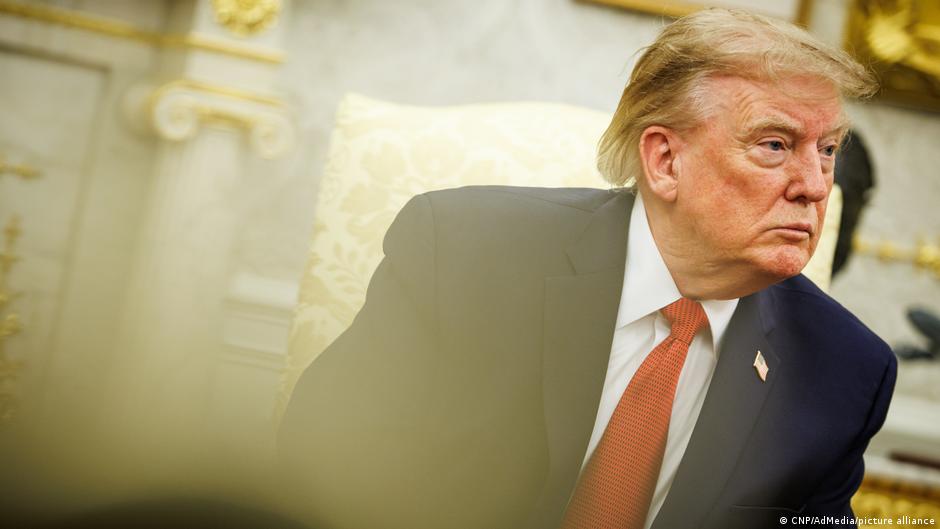
US President Donald Trump has declared a large-scale economic offensive against Iran, marking a significant escalation in efforts to isolate Tehran financially and commercially. The announcement signals a new phase in economic pressure intended to curb Iran's influence and restrict its access to global markets.
Economic Sanctions and Their Wider Impact
In a social media statement on August 20, Trump described the move as "the most crushing economic operation ever conducted against any country," emphasizing the unprecedented scale of economic warfare and isolation. He further threatened "massive" sanctions on any nation that supports Iran or conducts business with it, urging international allies to unite in countering what he described as the "Iranian threat."
This development builds on earlier US sanctions targeting Iran's oil, shipping, and financial sectors. The goal remains to block Tehran's revenue streams, particularly from energy exports, which are critical to the country's economy. The initiative forms part of a broader campaign known as "Economic Fury," first announced by the US in April, aimed at intensifying economic pressure on Iran.
"This will be an economic war and isolation of unprecedented scale," Trump stated, underscoring the severity of the new restrictions.
The move also spurred regional responses. On August 18, the United Arab Emirates (UAE) announced a suspension of all trade, commercial exchanges, and financial operations with Iran until further notice. UAE authorities accused Tehran of launching missile attacks targeting the country, which Iran has denied. The alleged attacks were said to threaten maritime navigation, highlighting security concerns that compound economic tensions in the region.
For households and everyday investors globally, these escalating sanctions carry significant implications. Restrictive measures on Iran’s oil exports contribute to potential volatility in global energy markets, which can translate into fluctuations in fuel prices and inflation impacting consumer budgets worldwide. Moreover, companies and investors with exposure to markets or sectors related to Iran may face increased risks and reduced opportunities.
Currency markets might also experience ripple effects, as the tightening of sanctions can influence the value of the Iranian rial and affect regional currencies, especially in Gulf countries closely tied economically to Iran. For consumers, the indirect consequences include potential price increases for imported goods and disruptions in trade routes, particularly in the strategically vital maritime corridors.
In this climate of heightened economic contention, consumers and investors should monitor developments closely. Diversifying investments, staying informed about geopolitical risks, and adjusting financial strategies to accommodate possible market fluctuations become increasingly important.
As the US and its allies pursue this rigorous campaign of economic isolation against Iran, the broader ripple effects on global trade, energy markets, and financial systems underscore the interconnected nature of international economies and the tangible impact geopolitical decisions have on everyday life.