Historic Hamas Disarmament Agreement Could Impact Middle East Stability and Global Markets
US declares milestone Hamas disarmament deal, signaling potential shifts in regional security and economic outlooks affecting currencies and investments.
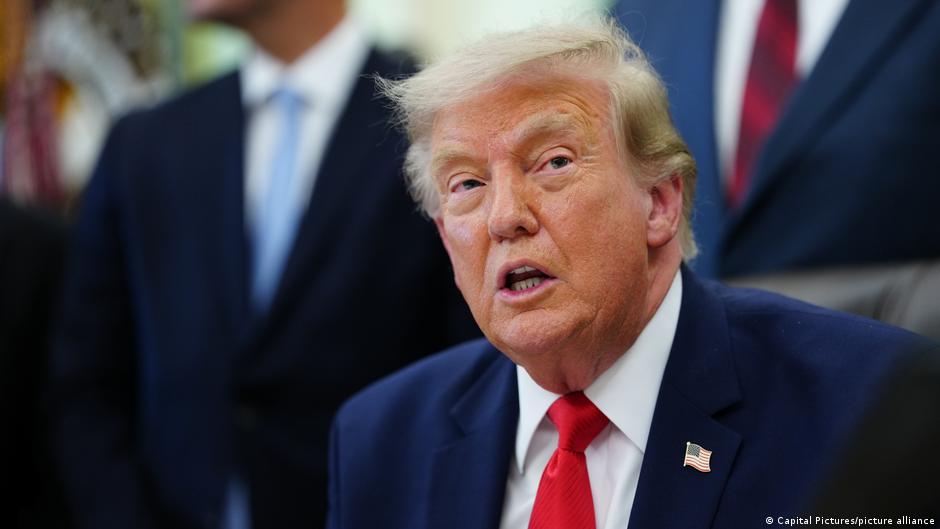
On July 20, US President Donald Trump announced a "historic" agreement to fully disarm the Palestinian Islamist group Hamas. The deal marks a significant step toward establishing a new Palestinian government in the Gaza Strip and promises to reshape the geopolitical landscape in the Middle East.
Trump described the agreement as a "grand step toward lasting peace and security," crediting mediation efforts by Egypt, Qatar, and Turkey. According to the president, the disarmament of Hamas and allied groups will proceed in phases.
High-ranking Hamas officials confirmed to international news agencies that the agreement with the US has indeed been reached. Meanwhile, Israel, a key stakeholder in the conflict, has yet to comment publicly on the development.
Potential Implications for Household Budgets and Investors
The ceasefire and phased withdrawal of Israeli forces from Gaza, which are part of the second stage negotiations currently underway in Egypt, could substantially influence regional economic dynamics. Stability in the region typically reduces risk premiums on emerging market currencies, potentially easing volatility for investors globally.
"This grand step toward lasting peace could reduce geopolitical risk, which often triggers currency fluctuations and impacts commodity prices," financial analyst Maria Evans noted.
The conflict's prior escalation triggered sharp shocks to global commodity markets—particularly oil and precious metals—as traders sought safe havens amid uncertainty. A peaceful resolution could alleviate upward pressure on energy prices, benefiting household budgets worldwide by stabilizing fuel and electricity costs.
Furthermore, the gradual resumption of trade and reconstruction efforts in Gaza could create investment opportunities, while improved security may encourage foreign investment flows into the region. For everyday investors, emerging market funds and currency holdings tied to Middle Eastern economies may experience renewed confidence.
However, the extensive human and infrastructural toll—evidenced by over 71,000 casualties reported during Israeli military operations—suggests a protracted recovery period. Households in the affected areas face significant rebuilding costs, while international aid may play a critical role in economic stabilization.
The announcement also underscores the complex interplay between geopolitical developments and personal finance globally. Currency volatility, inflationary pressures, and investment risk assessments are all influenced by such landmark diplomatic breakthroughs.
As negotiations continue, consumers and investors alike should monitor the situation closely to understand evolving risks and opportunities arising from the Middle East’s shifting security landscape.